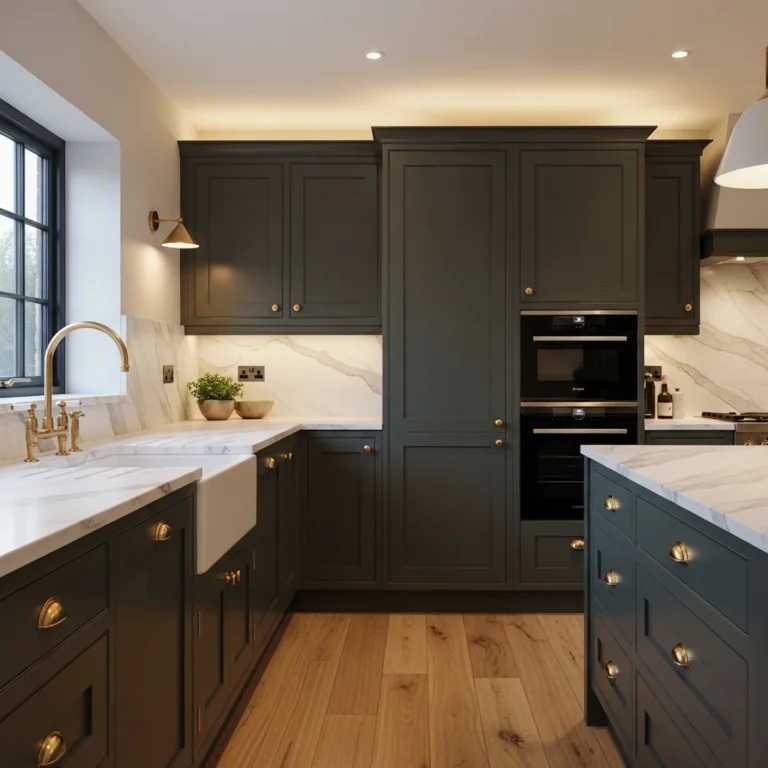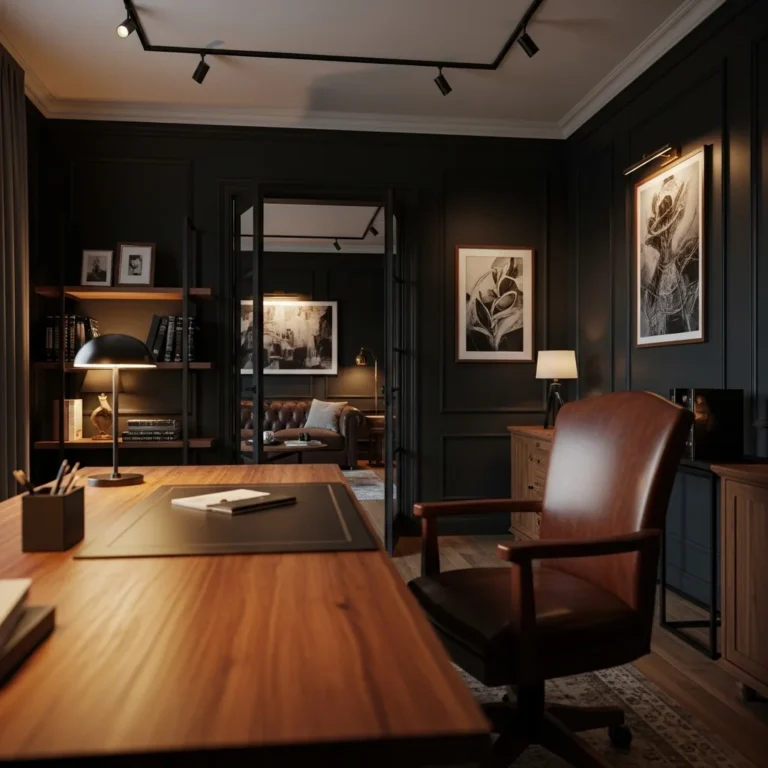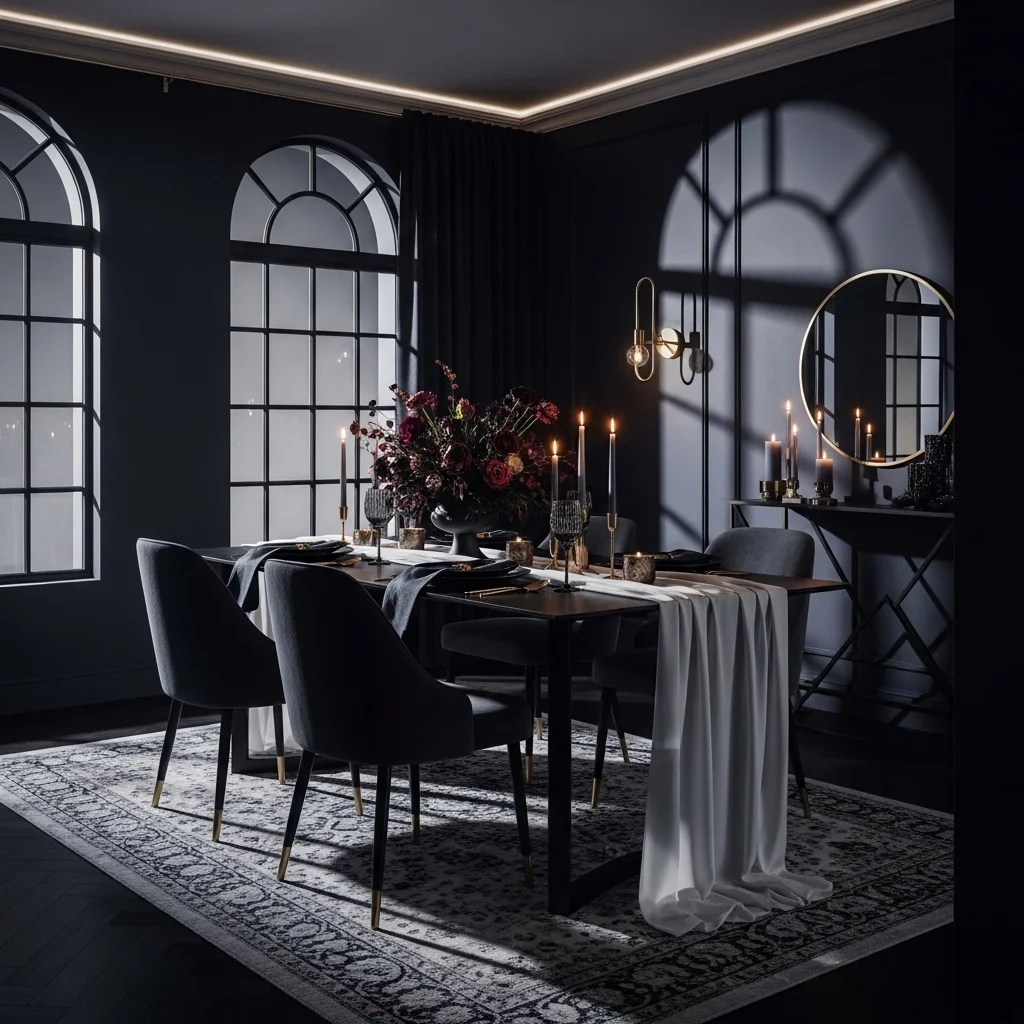
A moody dining room is one of the most powerful ways to transform your home into a sophisticated and memorable space. Unlike traditional bright and airy interiors, this style embraces depth, shadow, and contrast to create an atmosphere that feels intimate and refined. It is not about making a room dark for the sake of it, but about crafting a layered environment where every element works together to evoke emotion and style.
Whether you are hosting dinner parties or enjoying quiet meals, a moody dining room enhances the experience by making it feel more special. Through the use of rich colors, carefully chosen lighting, and luxurious textures, you can create a space that feels both dramatic and welcoming. The following ideas will guide you in designing a dining room that captures this aesthetic while remaining practical and comfortable.
Dark Painted Walls for a Dramatic Foundation
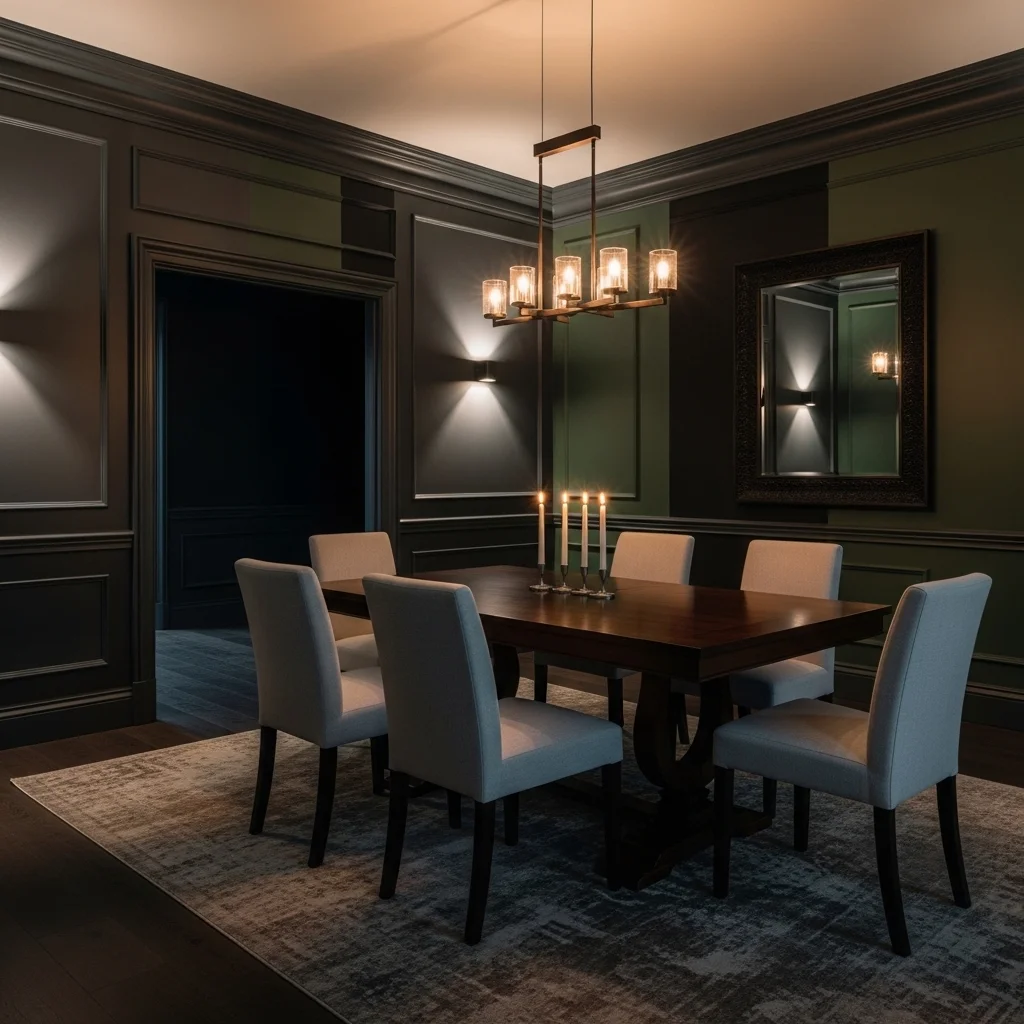
Dark walls are the backbone of a moody dining room. Colors like deep charcoal, midnight blue, and forest green instantly set the tone by creating a cocoon-like effect. These shades absorb light, making the space feel enclosed in a comforting and elegant way. This approach works particularly well in dining rooms because it encourages a more intimate atmosphere.
To prevent the room from feeling too heavy, balance dark walls with contrasting elements. Light-colored furniture, metallic finishes, or even a bold piece of art can break up the darkness. The key is to create harmony between depth and brightness so the room feels intentional rather than overwhelming.
Layered Lighting to Build Atmosphere
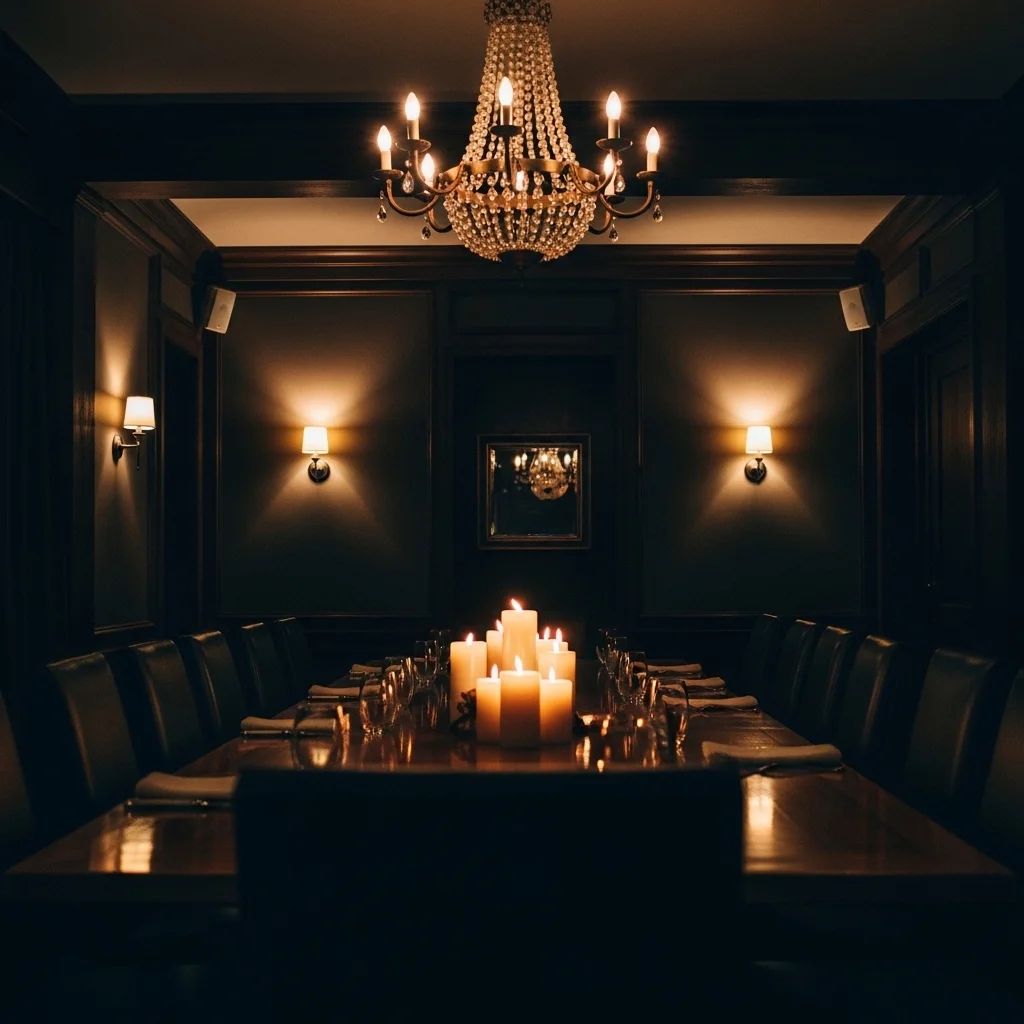
Lighting is one of the most important aspects of a moody dining room. Instead of relying on a single overhead light, layering different sources creates depth and dimension. Combine a central chandelier with wall sconces, table lamps, and candles to achieve a warm, inviting glow.
Dimmable lighting is especially useful, allowing you to adjust the ambiance depending on the occasion. Bright lighting works for casual meals, while softer lighting enhances evening gatherings. This flexibility ensures your dining room remains functional while maintaining its dramatic appeal.
Statement Chandeliers That Command Attention
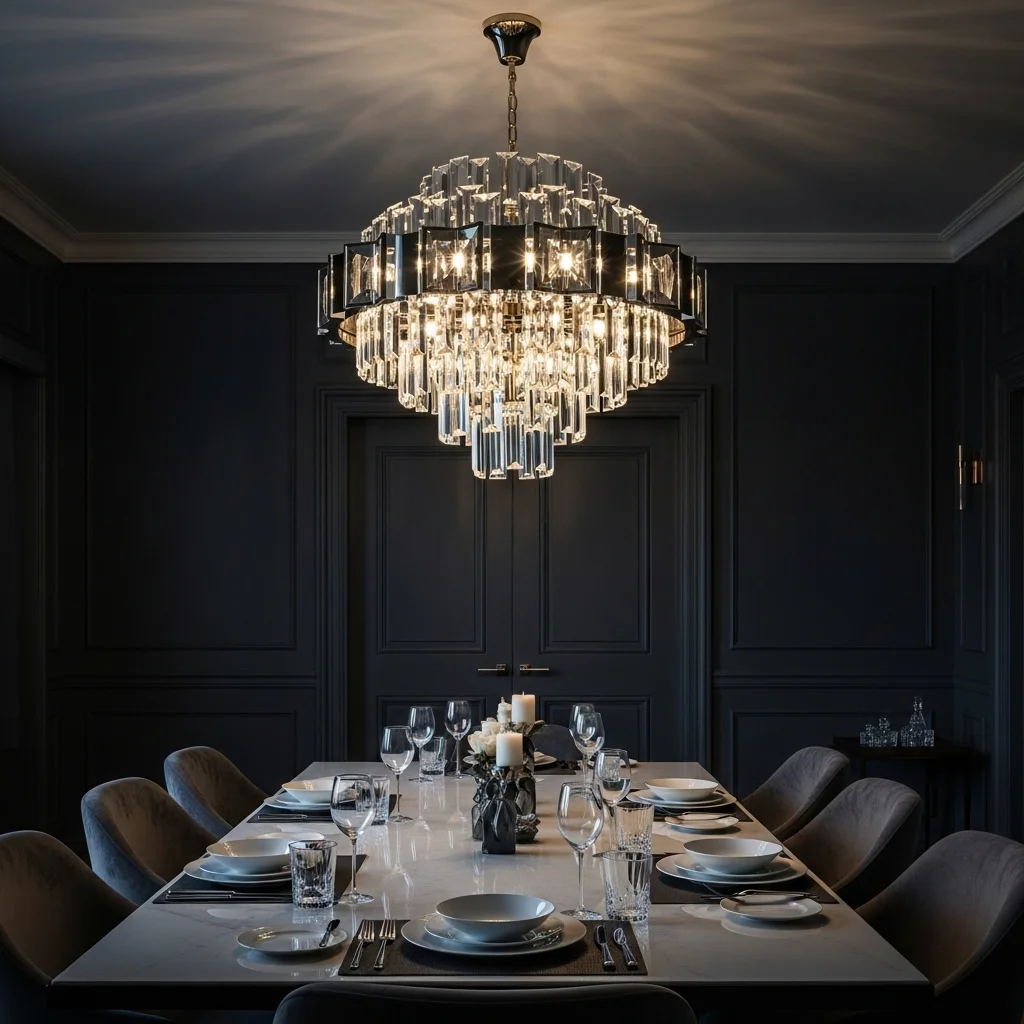
A striking chandelier can completely transform your dining room. It acts as both a functional light source and a visual centerpiece that draws the eye. Whether you prefer a modern sculptural design or a classic crystal fixture, a bold chandelier adds a sense of luxury.
Positioning is crucial. Placing the chandelier directly above the dining table anchors the room and creates a focal point. Pair it with darker surroundings to make the fixture stand out even more, enhancing the overall drama of the space.
Velvet Dining Chairs for Texture and Comfort
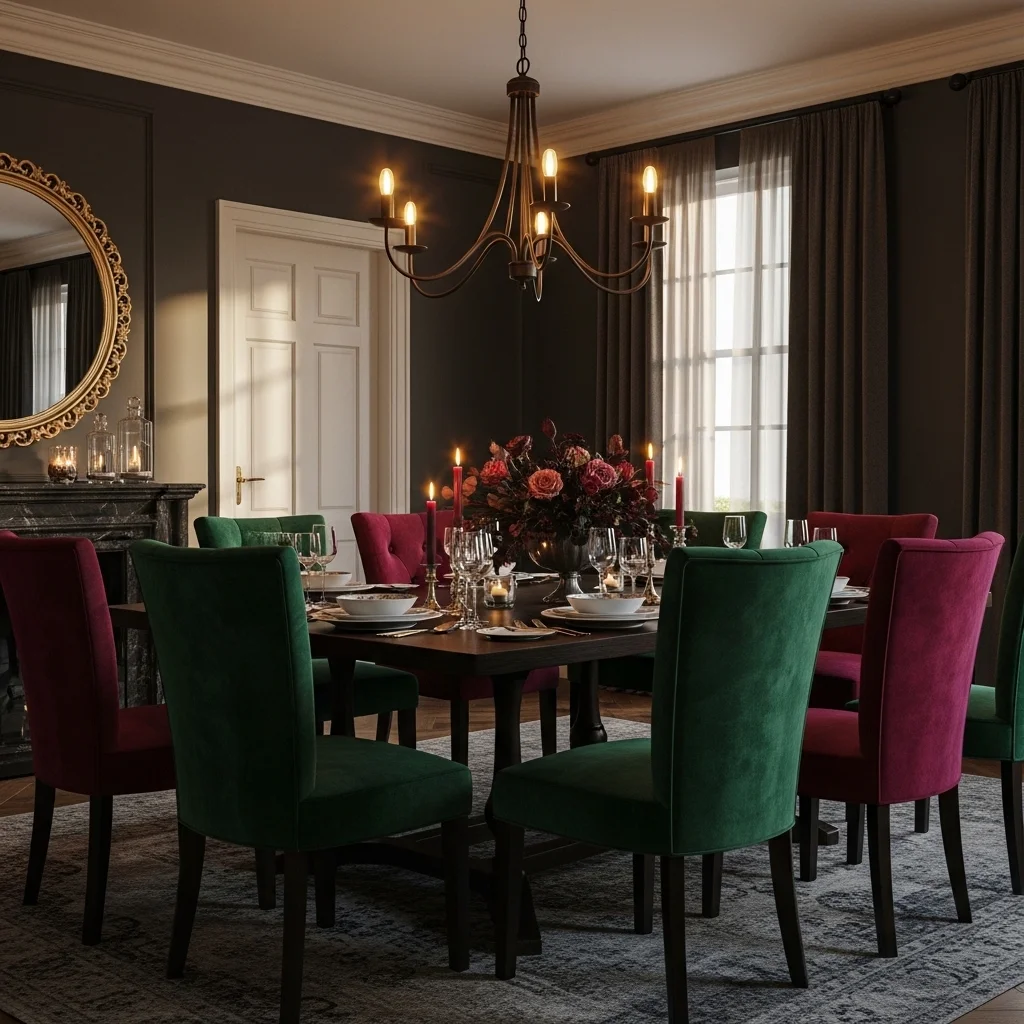
Velvet is synonymous with luxury, making it a perfect addition to a moody dining room. Its soft texture and subtle sheen reflect light beautifully, adding depth to darker color schemes. Rich tones like emerald green, deep burgundy, and navy blue are particularly effective.
Beyond aesthetics, velvet chairs offer comfort, encouraging longer, more relaxed meals. They also add a tactile element that enhances the sensory experience of the room, making it feel more inviting.
Dark Wood Furniture for Warmth and Depth
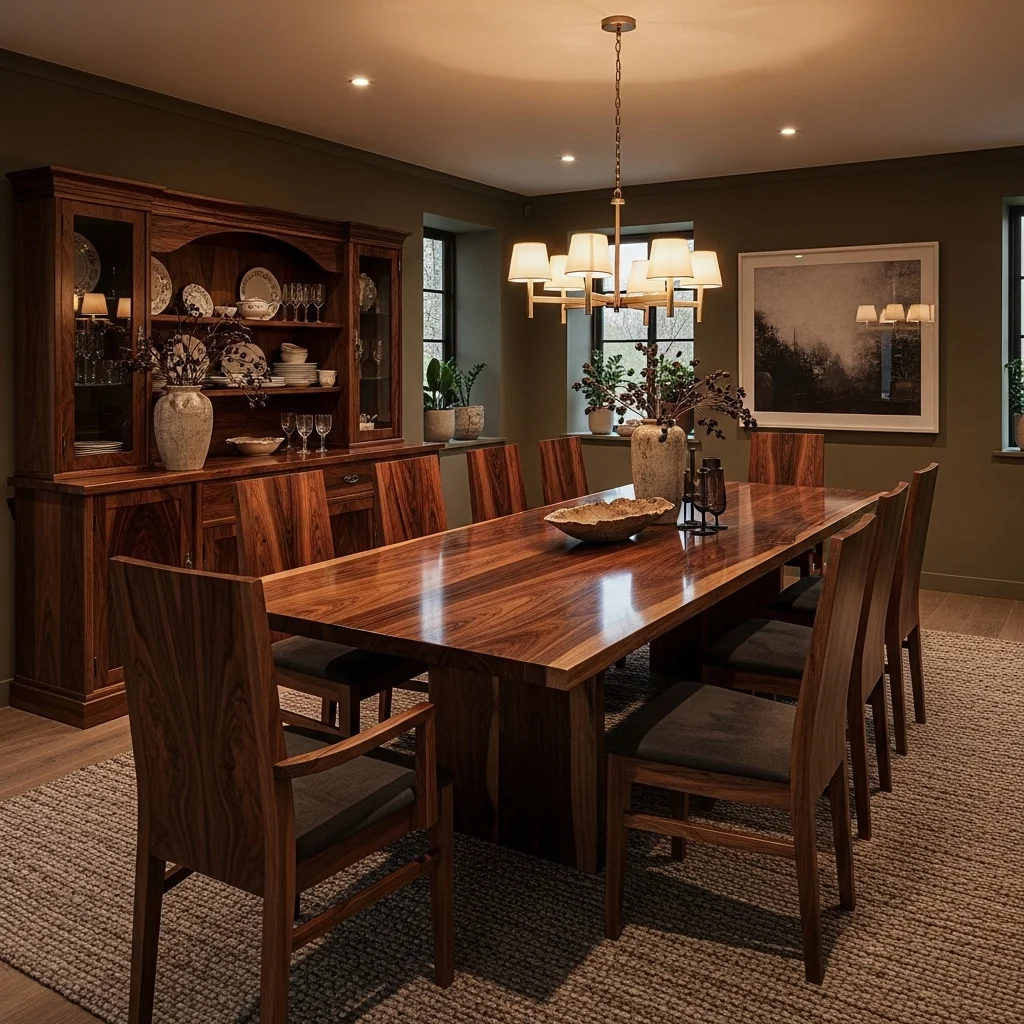
Dark wood furniture brings warmth and richness to a moody dining room. Materials like walnut and mahogany complement deep wall colors while adding a natural element. This combination creates a balanced look that feels both grounded and sophisticated.
Mixing different wood tones can add visual interest, but it is important to keep them within a similar color family. This ensures cohesion while still allowing for subtle variation in texture and finish.
Metallic Accents for Subtle Brightness
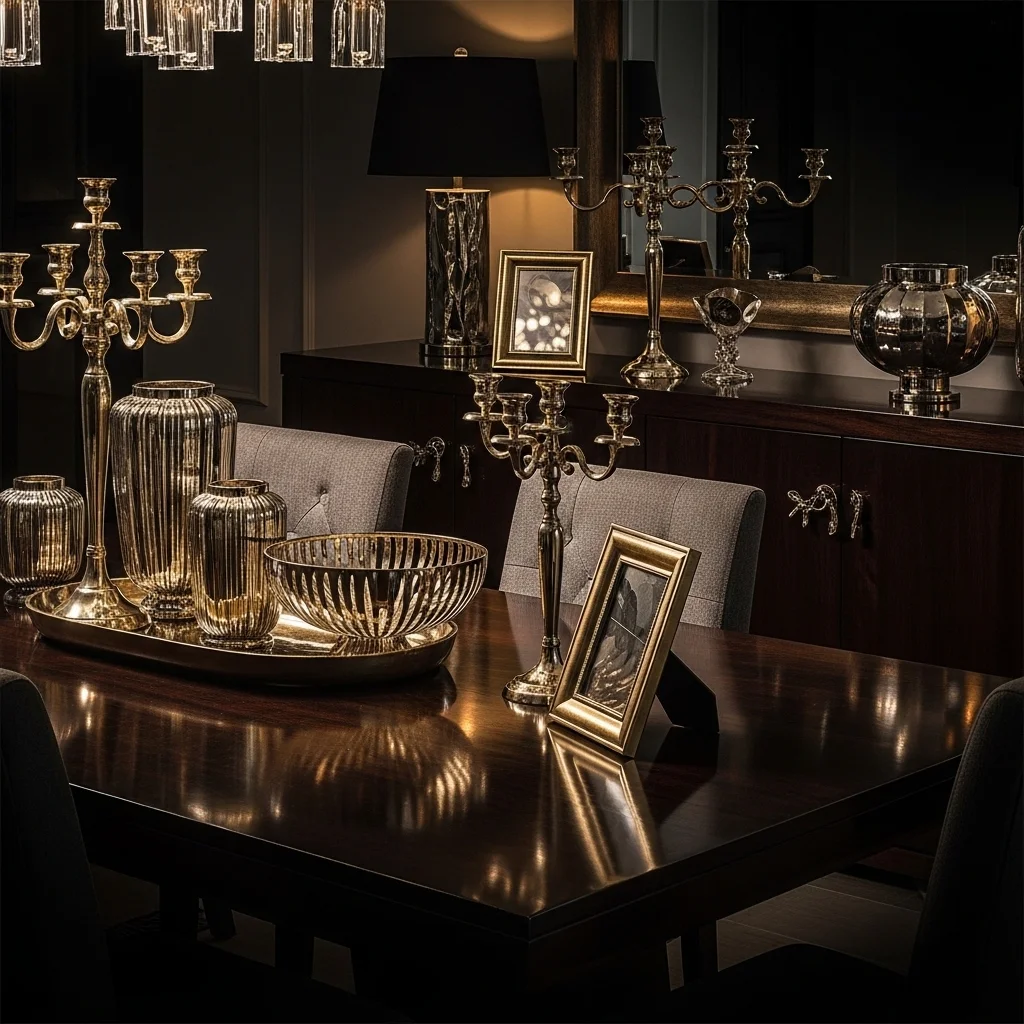
Metallic elements play a crucial role in balancing darker tones. Finishes like brass, gold, and bronze reflect light, adding a touch of brightness without disrupting the moody aesthetic. These accents can be incorporated through lighting fixtures, tableware, or decorative accessories.
The key is moderation. Too many metallic elements can overwhelm the space, while a few carefully placed pieces create a refined and polished look. This contrast helps maintain visual balance.
Moody Wallpaper for Added Character
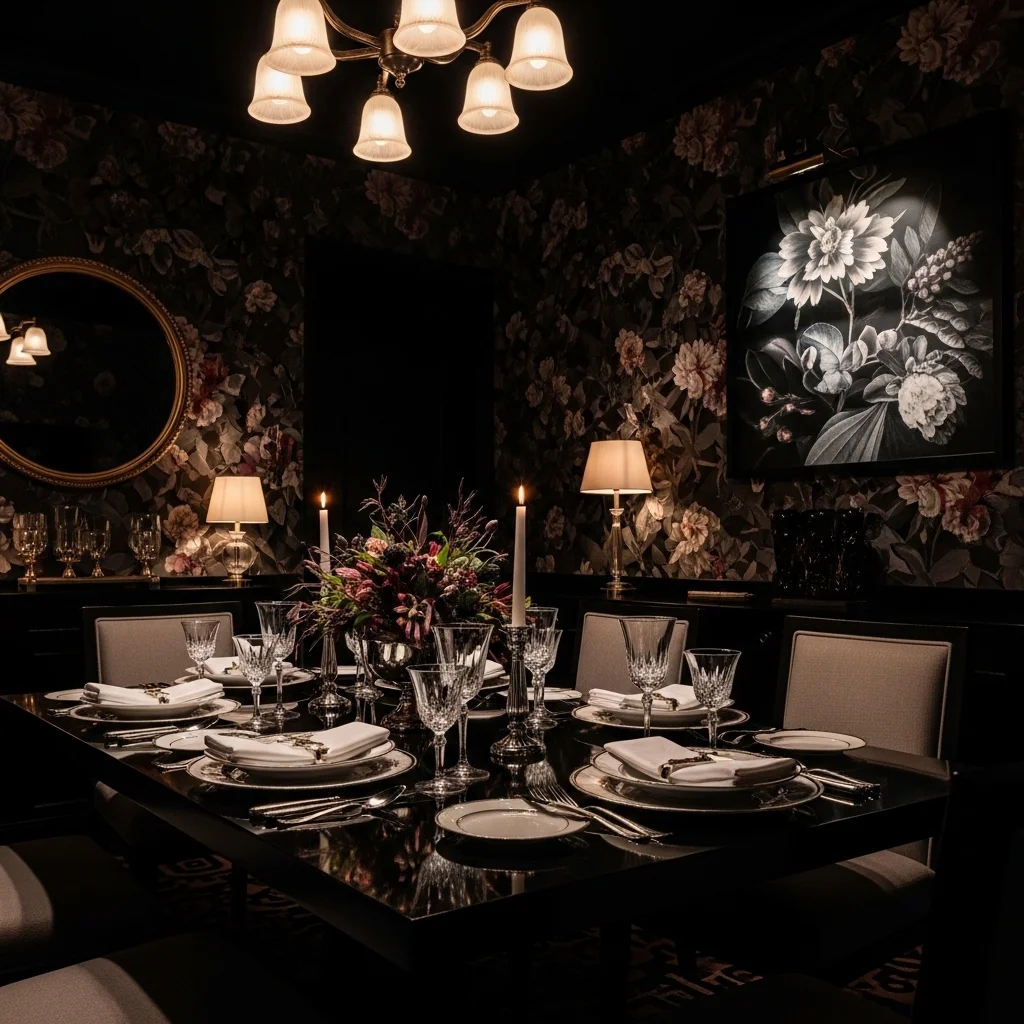
Wallpaper is an excellent way to introduce pattern and depth into your dining room. Dark floral prints, geometric designs, or textured finishes can elevate the overall aesthetic. These patterns add visual interest while maintaining the dramatic tone.
When choosing wallpaper, consider how it interacts with the rest of the room. Subtle patterns work best in smaller spaces, while bold designs can make a strong statement in larger areas. This flexibility allows you to tailor the look to your specific needs.
Gallery Walls That Tell a Story
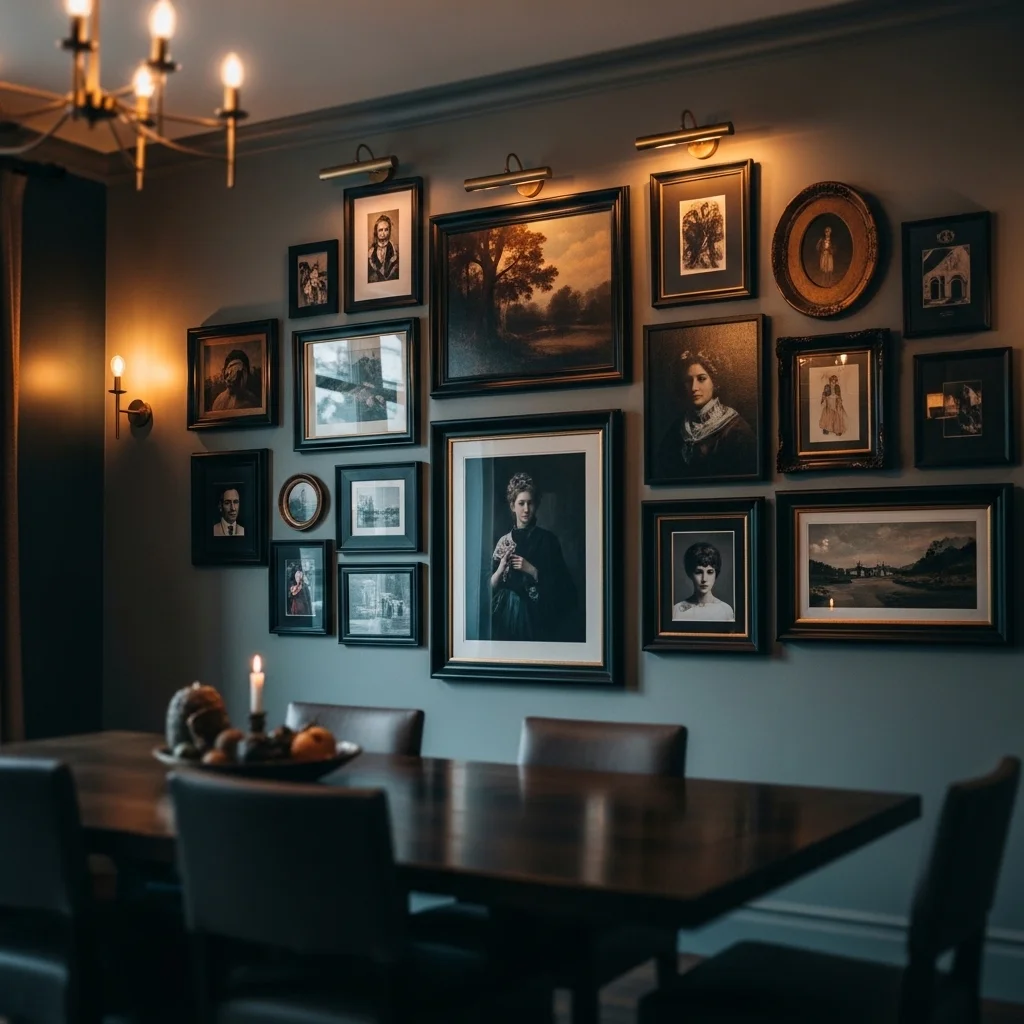
A gallery wall adds personality and character to your dining room. Using artwork with dark frames or muted tones ensures the display complements the overall mood. This approach allows you to showcase your style while maintaining cohesion.
Arranging the pieces thoughtfully is important. A balanced layout creates a sense of order, while a more eclectic arrangement can feel dynamic and artistic. Either way, the gallery wall becomes a focal point that enhances the room’s identity.
Black Ceilings for Unexpected Drama
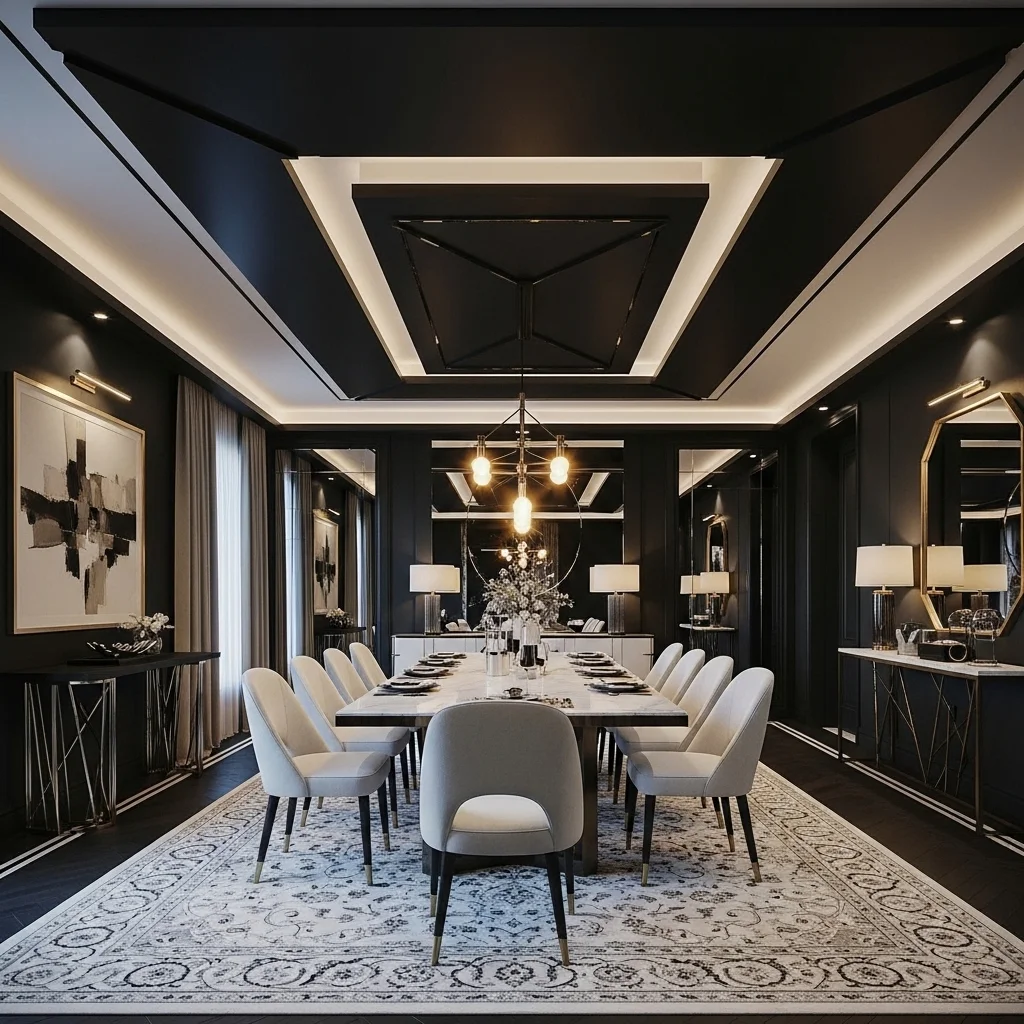
Painting the ceiling a dark color is a bold design choice that can have a dramatic impact. A black or deep-toned ceiling creates a sense of enclosure, making the dining area feel more intimate and cohesive.
To balance this effect, incorporate lighter elements elsewhere in the room. This prevents the space from feeling too enclosed while still allowing the ceiling to stand out as a unique feature.
Candlelight for Warm and Inviting Glow
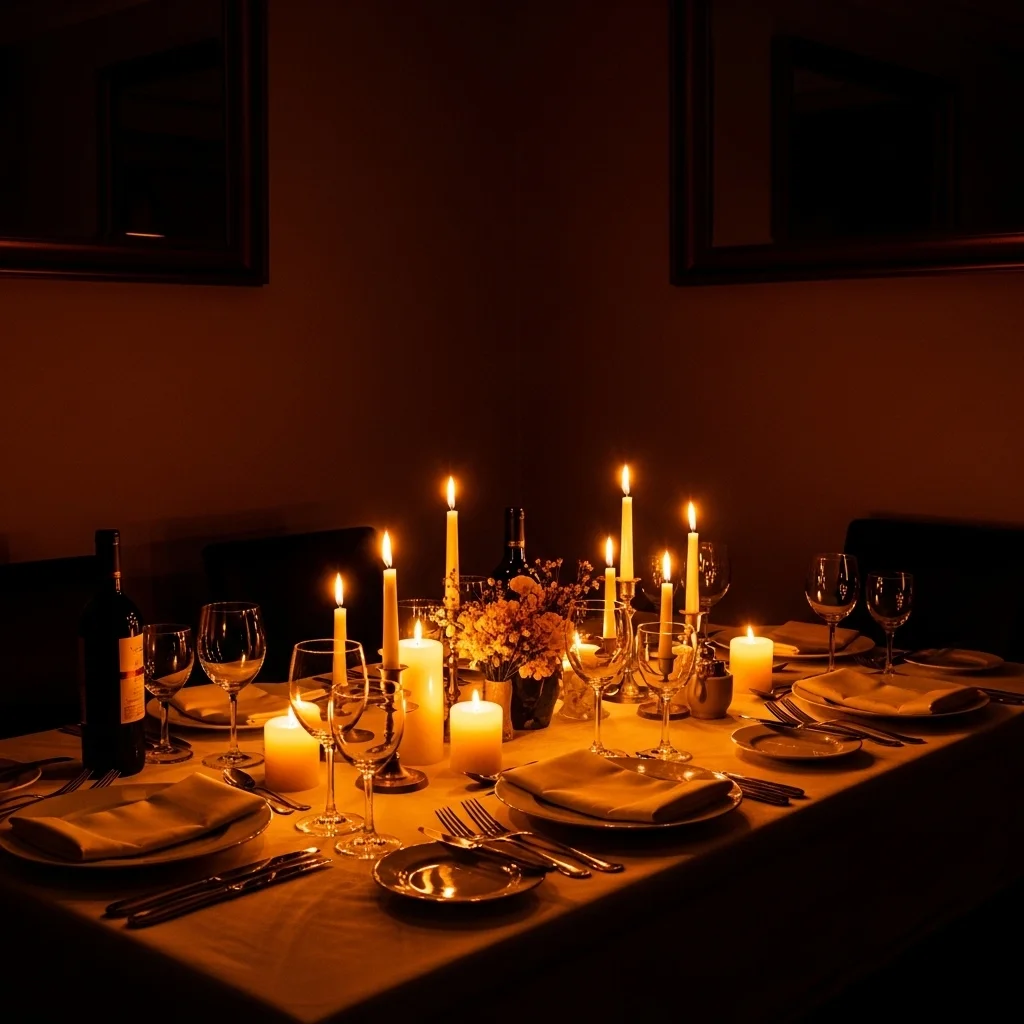
Candles are essential in creating a moody atmosphere. Their soft, flickering light adds warmth and enhances the sense of intimacy. Using a variety of candle holders in different heights and materials creates visual interest.
Placing candles on the dining table, sideboards, or shelves ensures the glow is evenly distributed throughout the room. This simple addition can significantly elevate the overall ambiance.
Deep-Colored Rugs to Anchor the Space
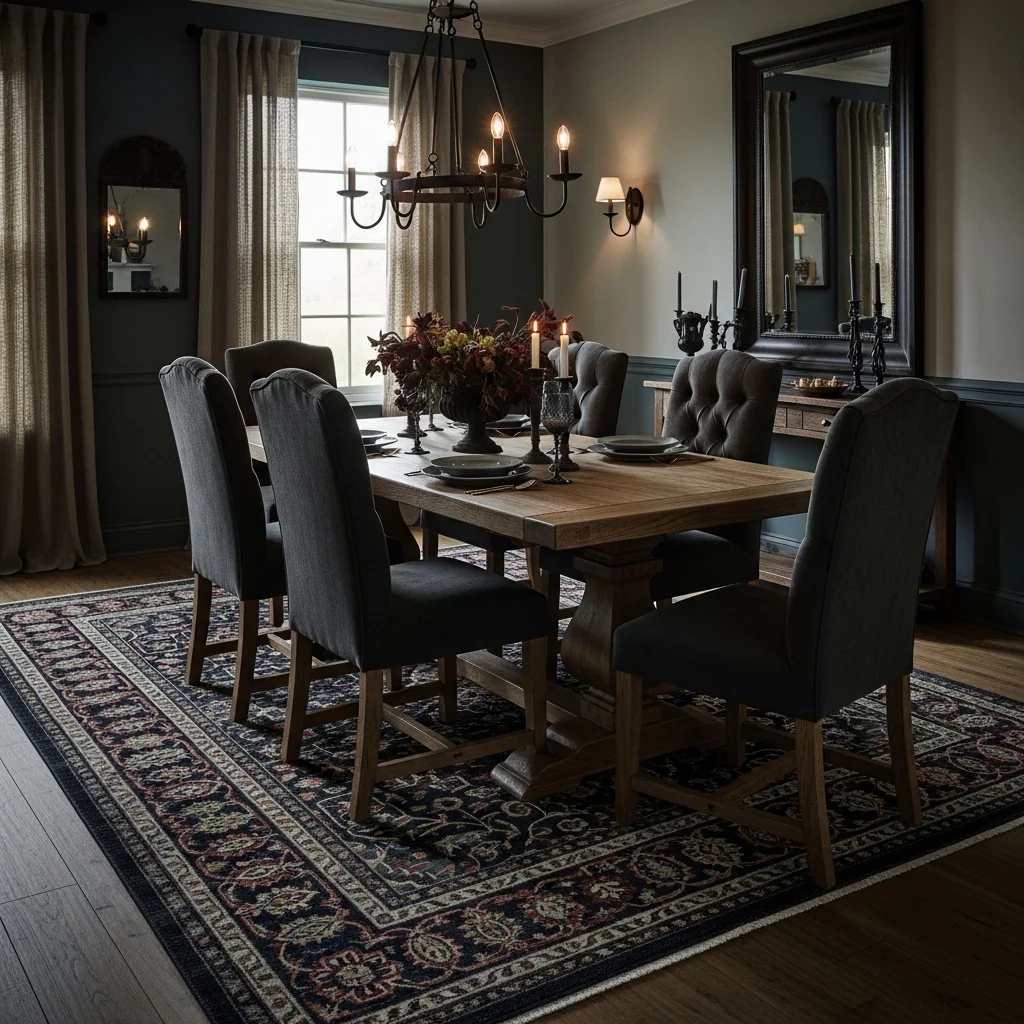
A rug in a rich, deep color helps define the dining area and adds another layer of texture. Patterns in muted tones can enhance the design without overpowering it.
Choosing the right size is crucial. The rug should be large enough to accommodate the table and chairs comfortably. This ensures functionality while maintaining a cohesive look.
Minimalist Decor with Maximum Impact
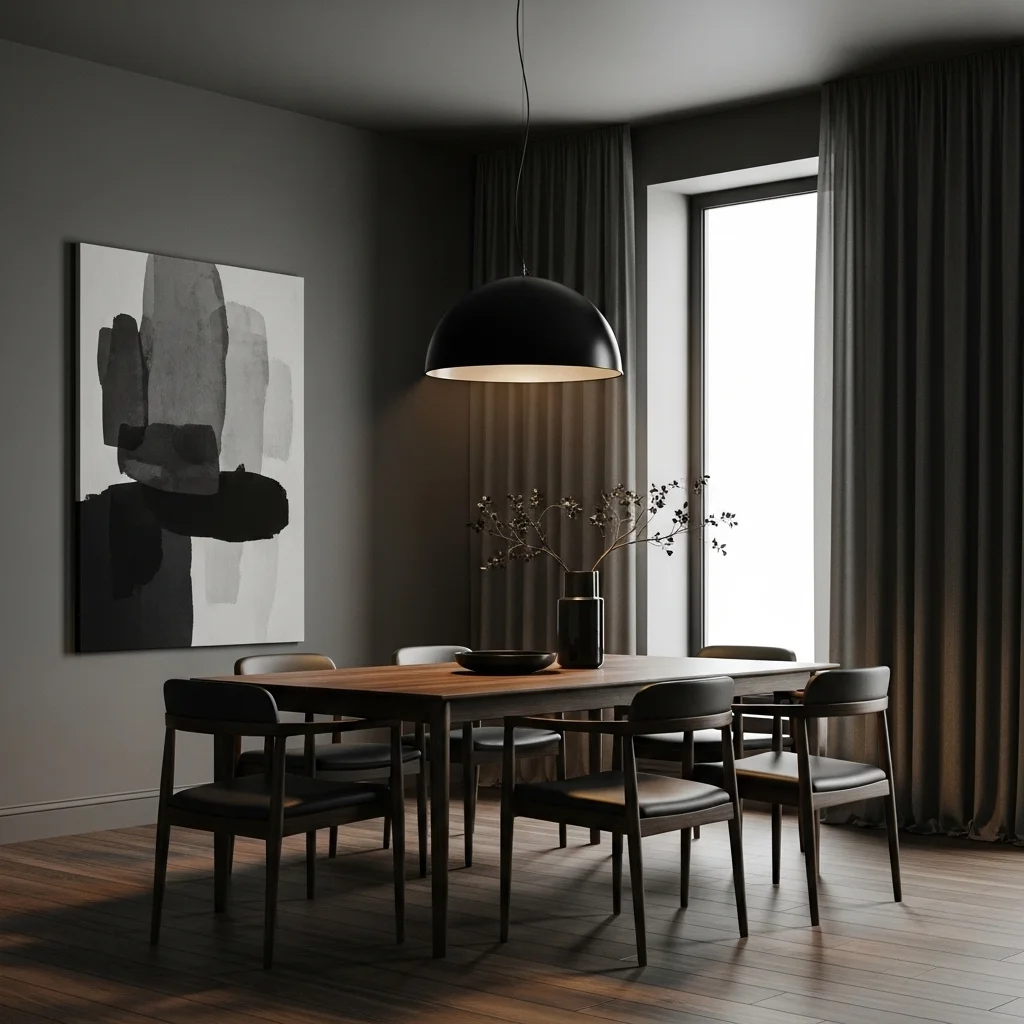
A moody dining room does not require excessive decoration. In fact, a minimalist approach often works best, allowing key elements to stand out. Carefully selected pieces can create a strong visual impact without clutter.
Focus on quality and craftsmanship rather than quantity. This approach ensures the room feels refined and intentional.
Mixing Modern and Vintage Styles
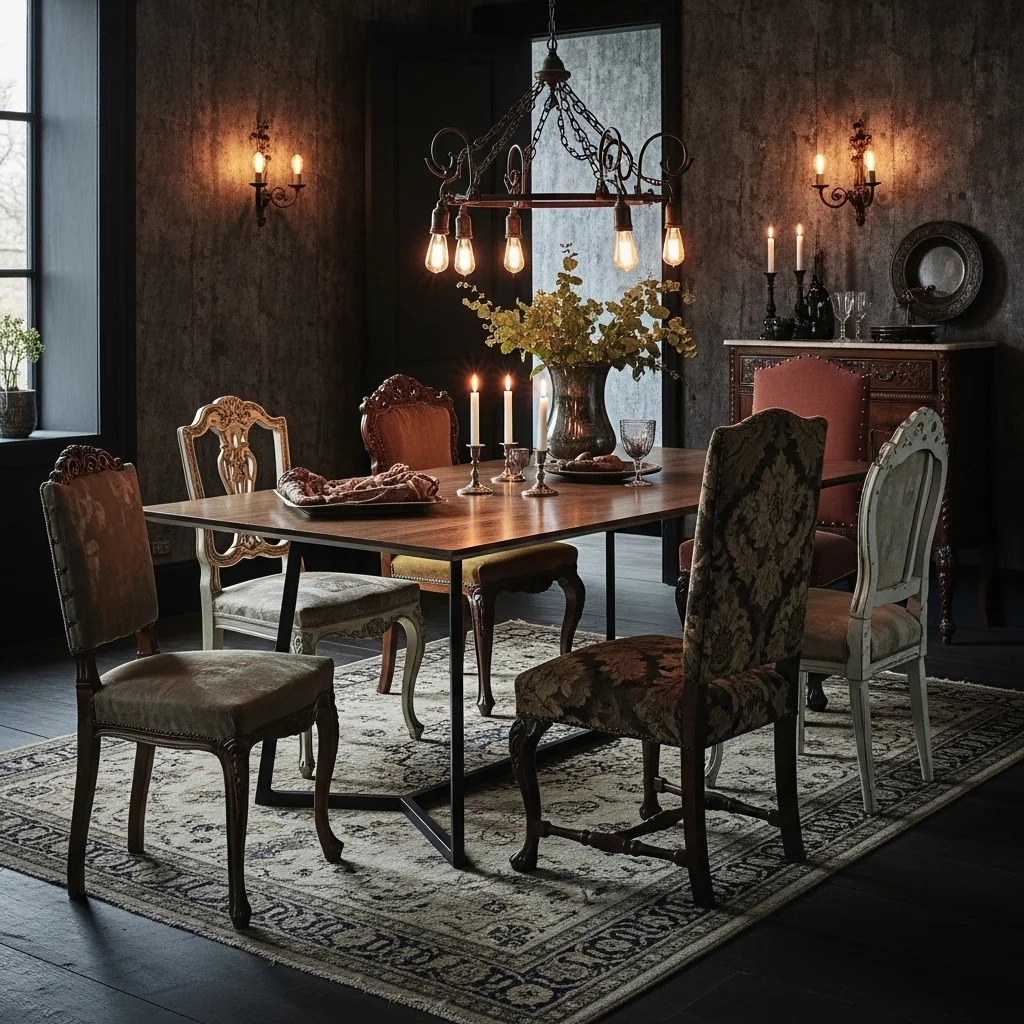
Combining modern and vintage elements adds depth and character to your dining room. This mix creates a layered look that feels both timeless and unique.
For example, pairing a sleek contemporary table with antique chairs introduces contrast and interest. This combination prevents the space from feeling one-dimensional.
Dramatic Curtains for Elegance
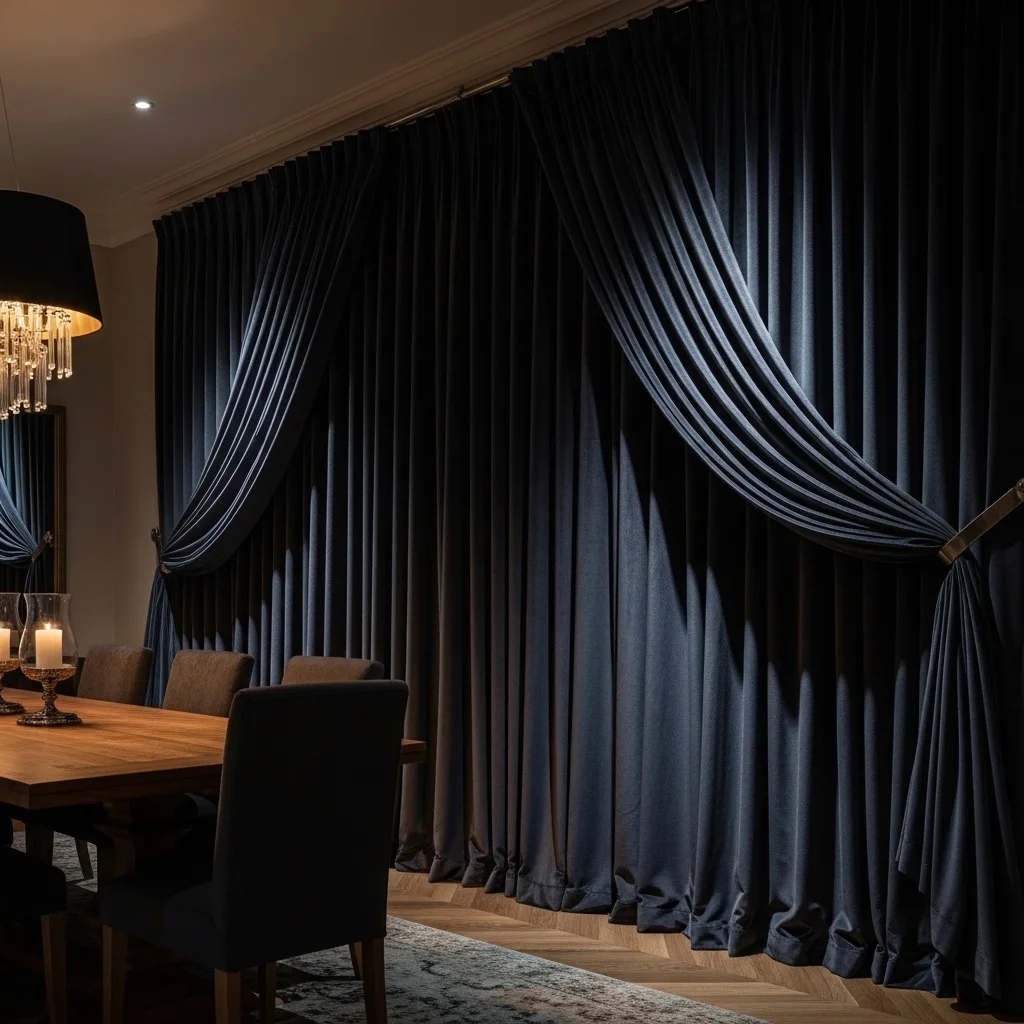
Curtains play a significant role in shaping the mood of a dining room. Heavy fabrics in dark tones add softness and sophistication while helping control natural light.
Floor-length curtains create a more dramatic effect, enhancing the overall design. Materials like velvet or thick linen work particularly well in achieving this look.
Mirrors to Enhance Light and Space
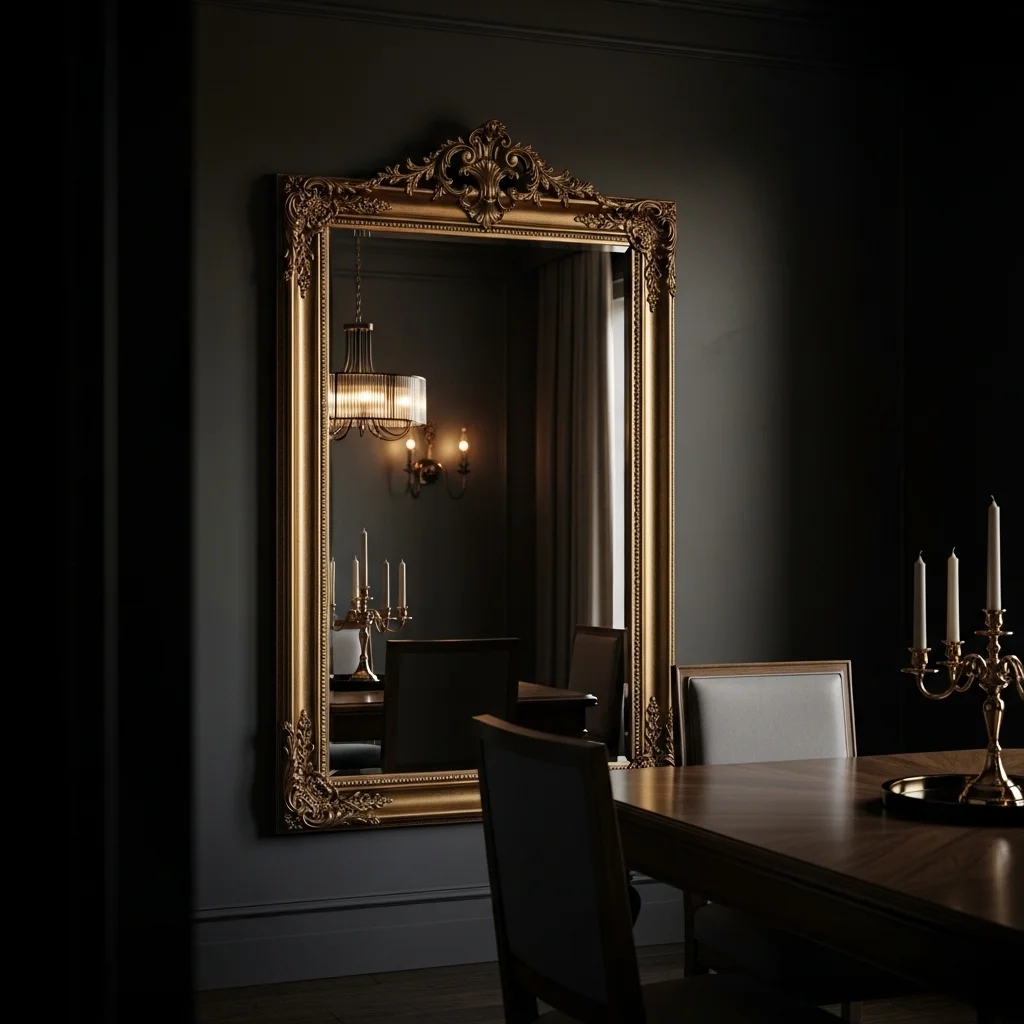
Mirrors are a practical addition to a moody dining room. They reflect light, making the space feel larger and more dynamic. This is especially useful in rooms with limited natural light.
Choosing a mirror with an interesting frame adds an extra decorative element. This ensures it contributes to both function and style.
Natural Elements for Balance
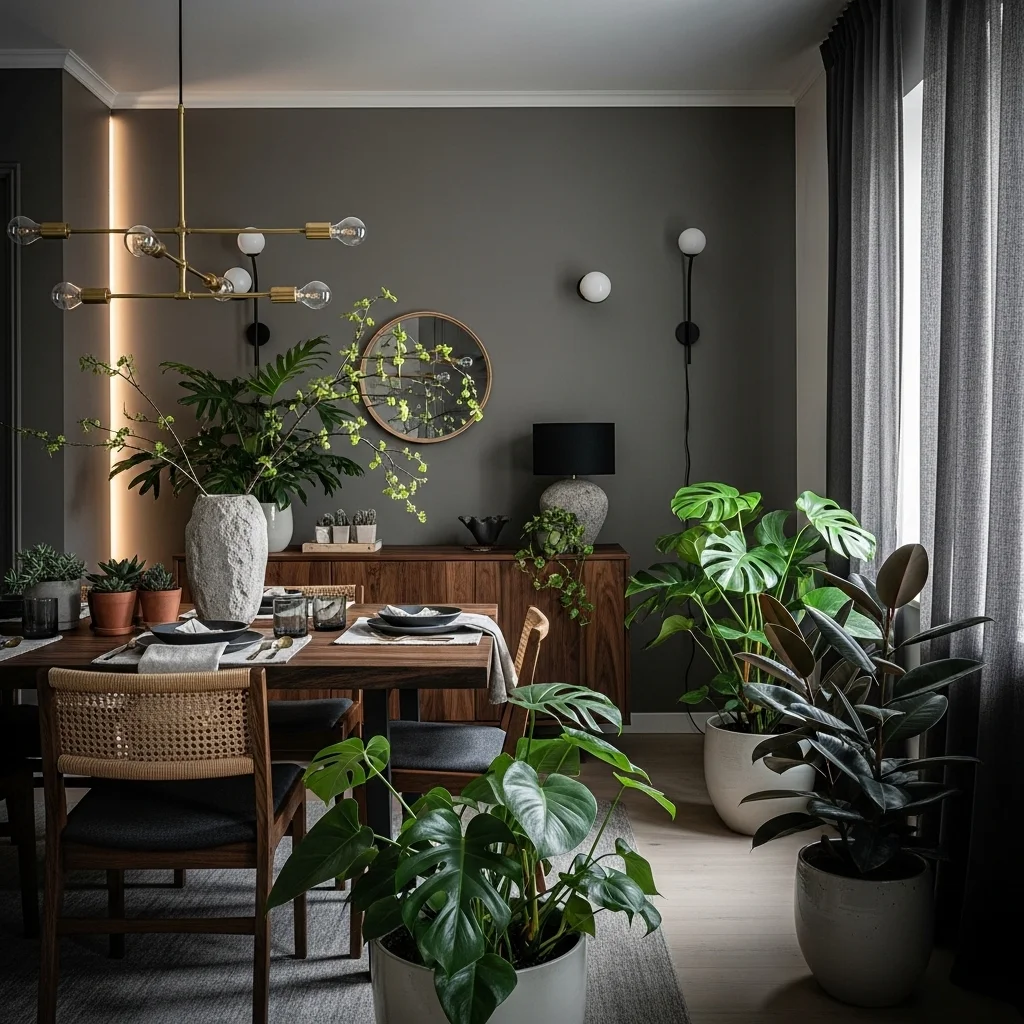
Incorporating natural elements helps soften the intensity of dark interiors. Plants, wood, and woven materials introduce warmth and texture, creating a more balanced environment.
Greenery, in particular, provides a refreshing contrast to deep color palettes. This combination ensures the room feels lively rather than overly heavy.
Monochromatic Color Schemes for Cohesion
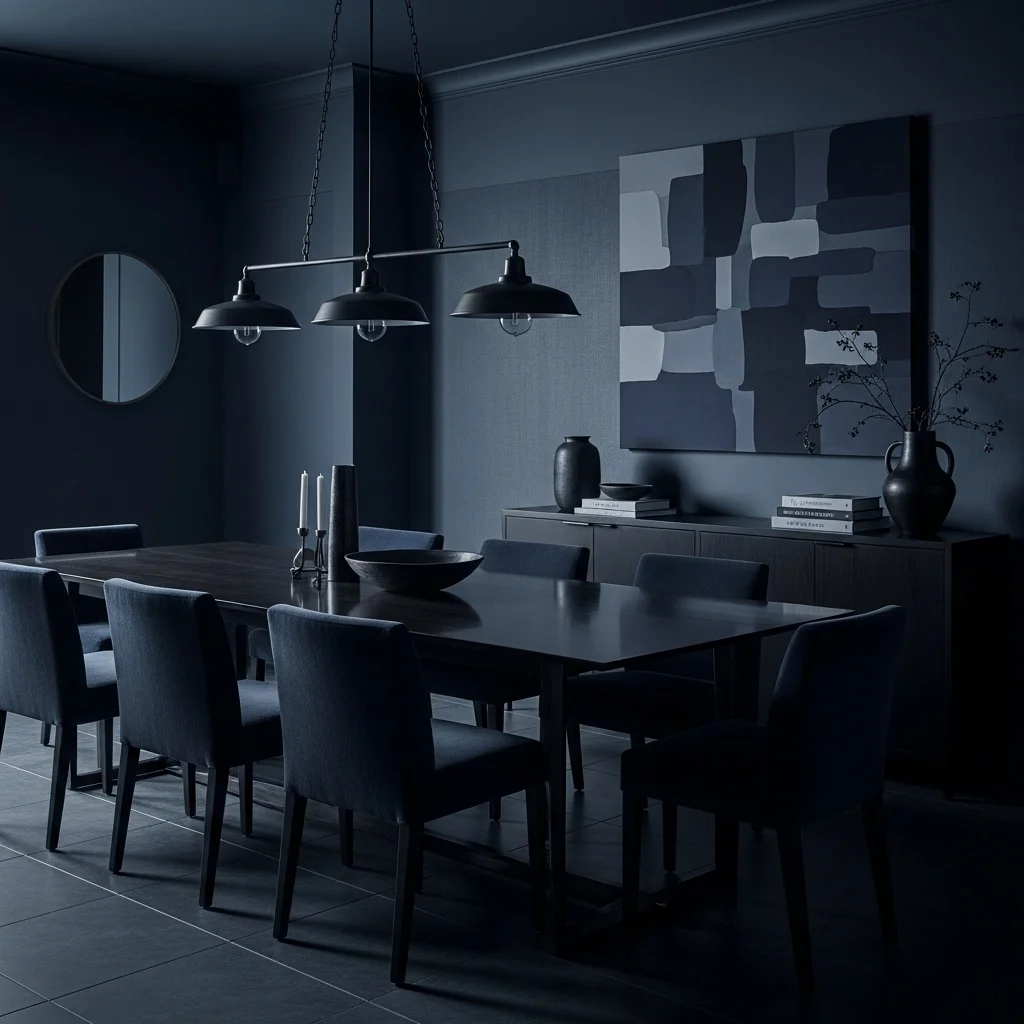
A monochromatic palette creates a cohesive and sophisticated look. Using different shades of the same color adds depth without introducing visual clutter.
This approach works particularly well in moody dining rooms, where consistency enhances the overall atmosphere. Texture becomes the primary source of variation, adding richness to the design.
Bold Table Settings for Visual Impact
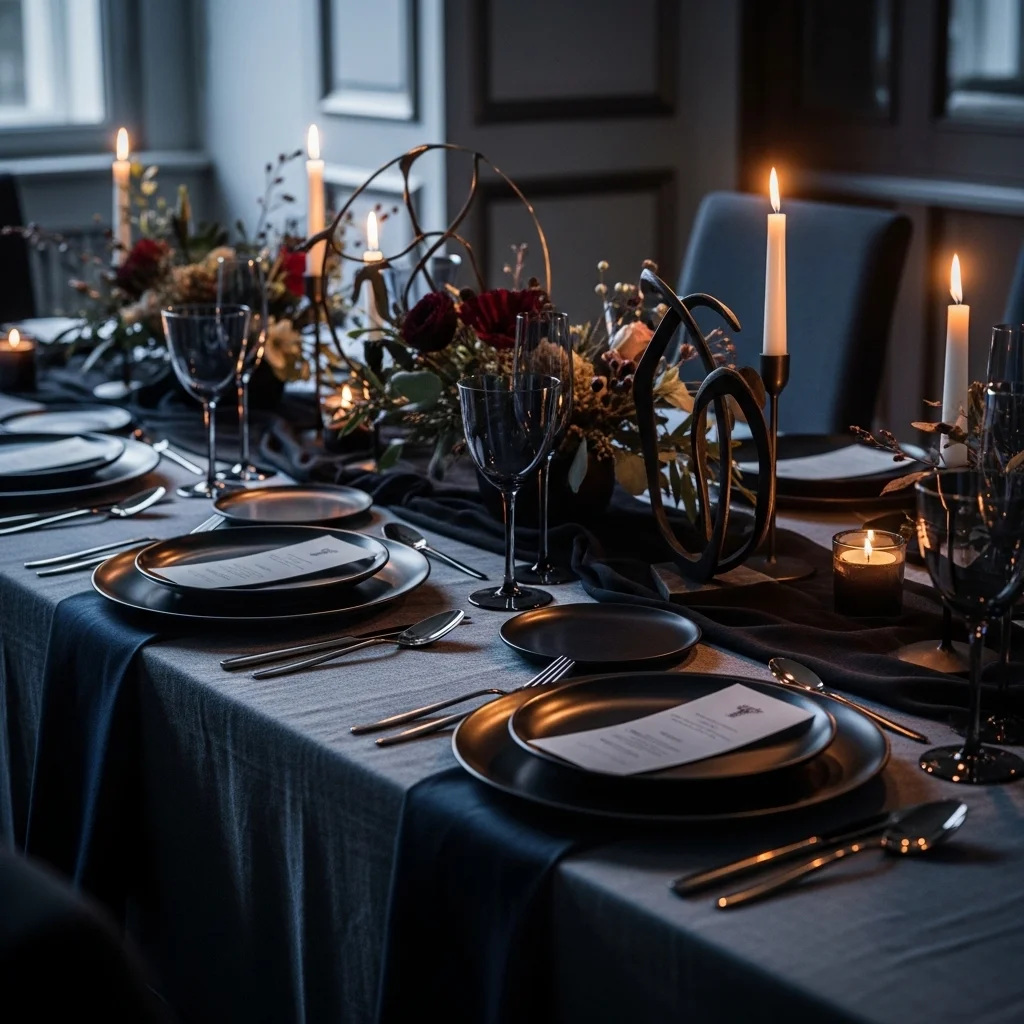
The dining table is the centerpiece of the room, making its styling crucial. Dark tableware, elegant glassware, and textured linens create a layered and luxurious tablescape.
Mixing materials such as ceramics, metal, and fabric adds depth and interest. This attention to detail enhances the overall dining experience.
Accent Walls for Controlled Drama
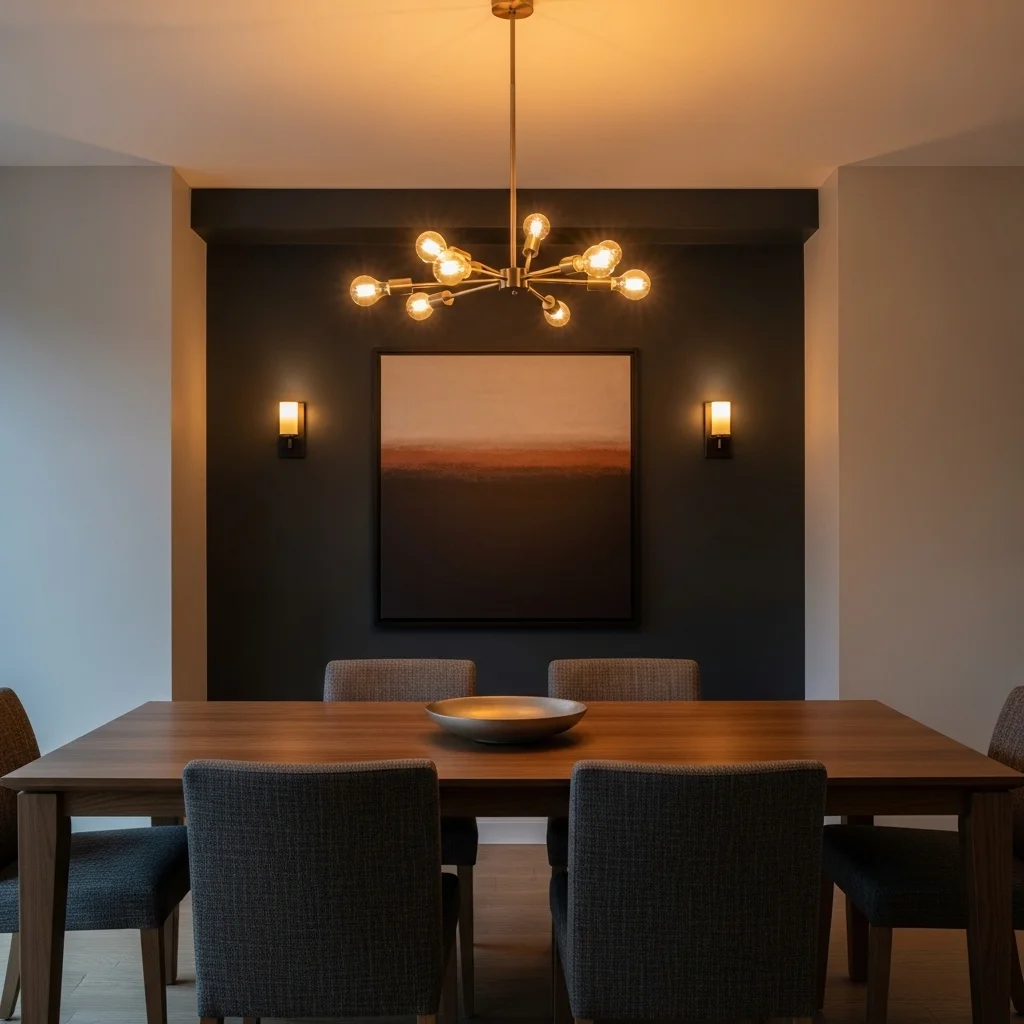
If fully dark walls feel too overwhelming, an accent wall is a great alternative. This allows you to introduce bold color without committing to the entire room.
Positioning the accent wall behind the dining table ensures it becomes a focal point. This creates visual interest while maintaining balance.
Artistic Lighting Fixtures as Decor
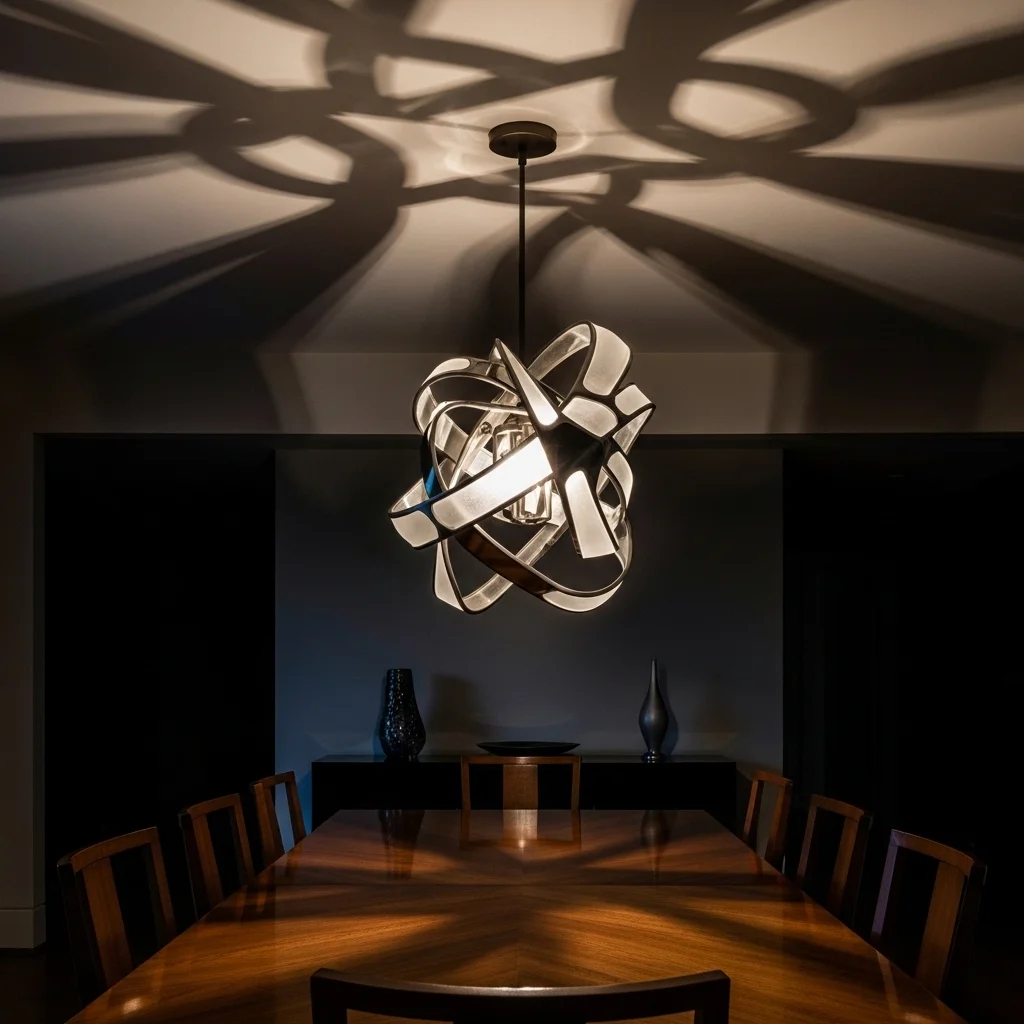
Lighting fixtures can double as decorative elements. Sculptural or artistic designs add personality and elevate the room’s aesthetic.
These pieces work best when they stand out against darker backgrounds. This contrast highlights their form and enhances the overall design.
Personalized Decor for a Unique Touch
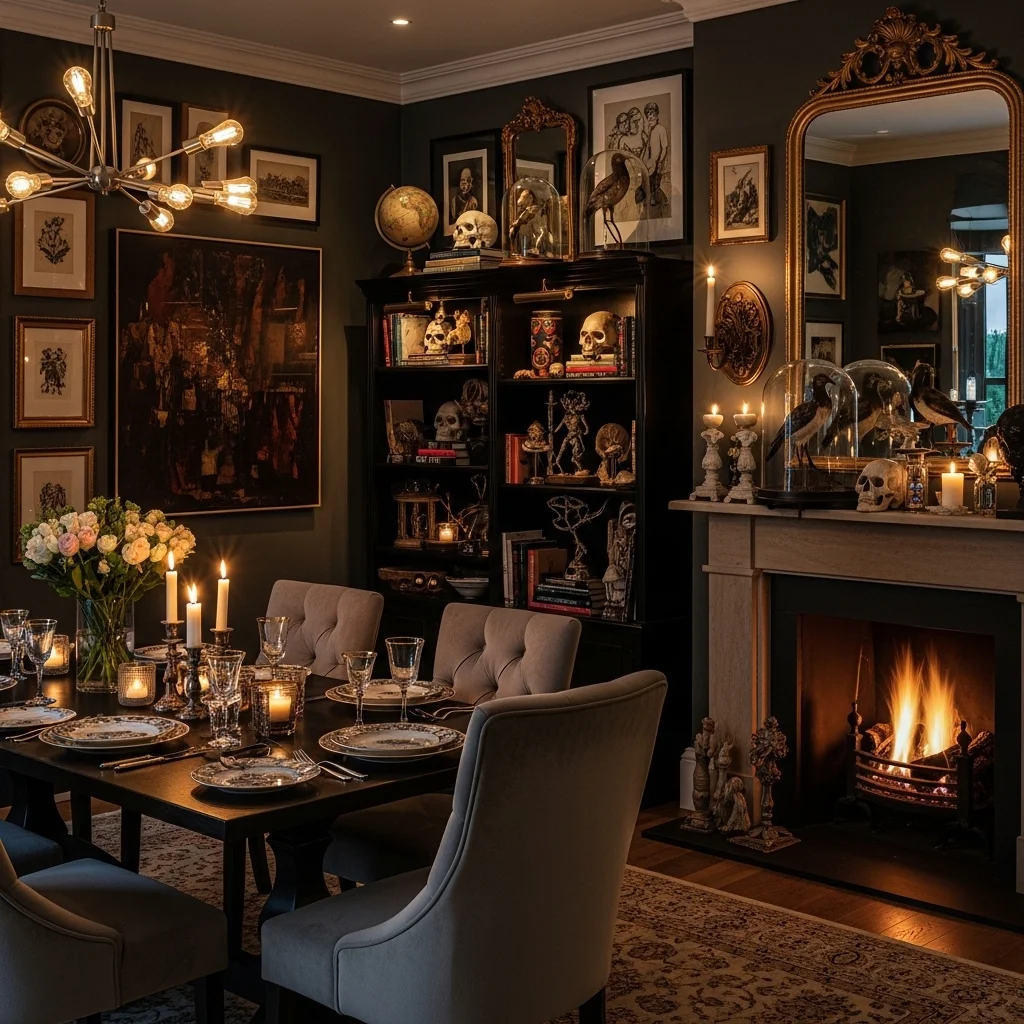
Adding personal touches ensures your dining room reflects your personality. Items such as artwork, heirlooms, or curated decor pieces make the space feel authentic.
This personalization transforms the room from a styled space into a meaningful environment. It adds warmth and character, making it truly your own.
Conclusion
A moody dining room is not simply about using dark colors, it is about creating an immersive experience that combines atmosphere, comfort, and visual depth. When thoughtfully designed, this style transforms a functional space into a place where people naturally want to gather, linger, and connect. The interplay between shadow and light, texture and tone, creates a layered environment that feels rich and intentional rather than heavy or overwhelming.
The most successful moody dining rooms strike a careful balance. While deep hues such as charcoal, navy, or forest green establish the foundation, elements like metallic accents, mirrors, and soft lighting prevent the space from feeling closed in..
FAQs
What defines a moody dining room
A moody dining room is defined by its use of deep color palettes, soft and layered lighting, and rich textures that create a dramatic yet inviting atmosphere. Instead of bright and airy tones, this style leans into darker shades to evoke a sense of intimacy and sophistication. It is not just about appearance, but about how the space feels.
Which colors are best for achieving this look
The best colors for a moody dining room are deep, saturated tones such as charcoal gray, navy blue, forest green, burgundy, and even black. These shades provide a strong visual foundation and help create the signature dramatic effect.
How can I prevent a dark dining room from feeling too heavy
To keep a moody dining room from feeling heavy, focus on incorporating contrast and light-reflecting elements. Metallic finishes like brass or gold can brighten the space, while mirrors help reflect available light and create a sense of openness. Layered lighting, including chandeliers, sconces, and candles, adds warmth and depth.
Is this style suitable for small dining spaces
Yes, a moody dining room can work beautifully in small spaces. In fact, darker tones can make a compact area feel more intimate and cozy rather than cramped. The key is to use lighting strategically and avoid overcrowding the room with too much furniture or decor.
What materials work best in a moody dining room
Materials that add depth and texture are essential in a moody dining room. Velvet is a popular choice for chairs and upholstery because of its luxurious feel and ability to reflect light subtly. Wood, especially in darker finishes, adds warmth and grounding. Metals such as brass, bronze, and gold introduce contrast and elegance.