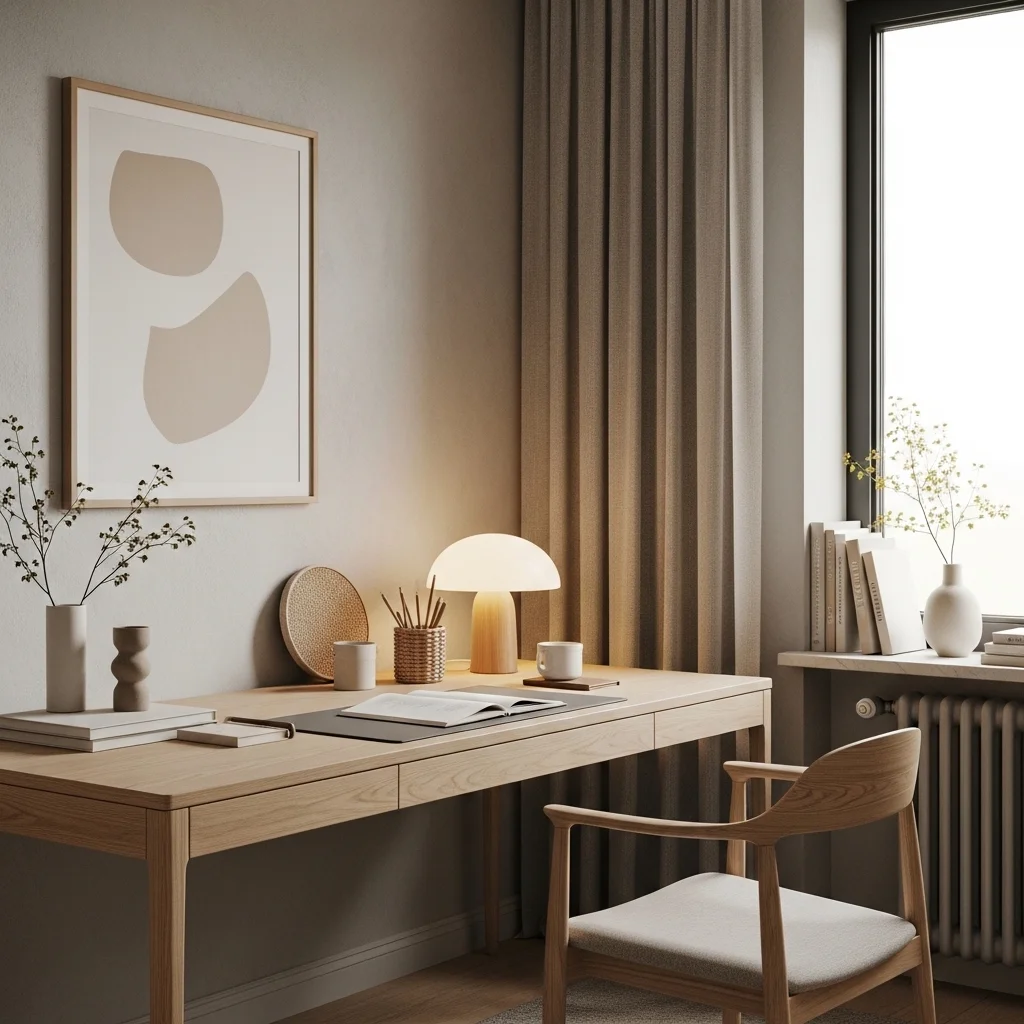
A Japandi home office is more than a design trend. It represents a mindful way of living and working where simplicity, functionality, and comfort come together. By combining Japanese minimalism with Scandinavian warmth, this style creates a workspace that feels calm, balanced, and highly practical for daily use.
As remote work continues to grow, having a well designed home office is essential. A Japandi inspired workspace not only enhances visual appeal but also improves focus and mental clarity. The following ideas will guide you in creating a peaceful, organized, and efficient environment that supports both productivity and well being.
Embrace a Neutral Color Palette
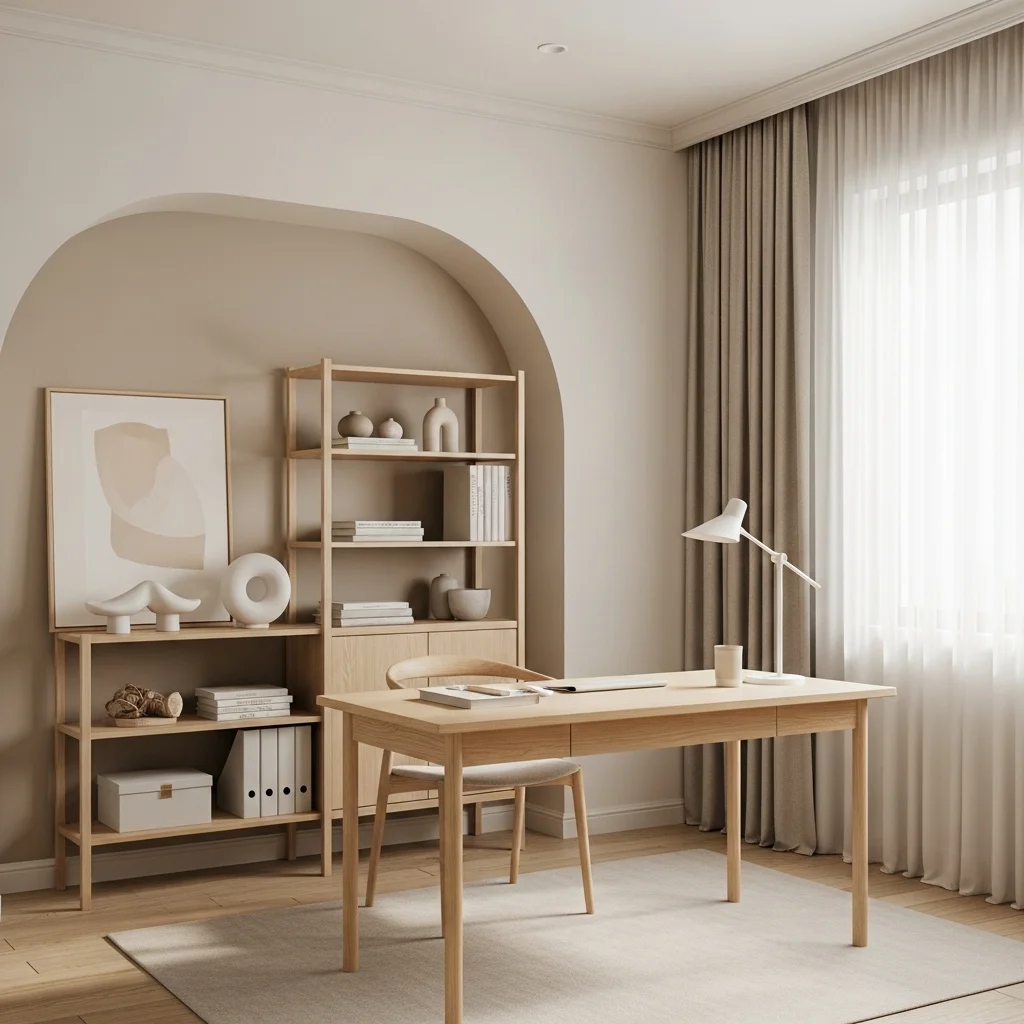
The foundation of any Japandi home office begins with a neutral color palette that sets a calm and soothing tone. Shades like off white, beige, soft gray, and warm taupe create an environment that feels balanced and free from visual stress. These colors are not only timeless but also versatile, making it easy to coordinate furniture and decor elements.
A neutral palette also enhances natural light, making your workspace feel brighter and more open. Instead of overwhelming the senses, these subtle tones create a peaceful backdrop that allows you to focus on your work without distraction. Adding slight variations within the same color family can provide depth while maintaining harmony.
Choose a Simple Wooden Desk
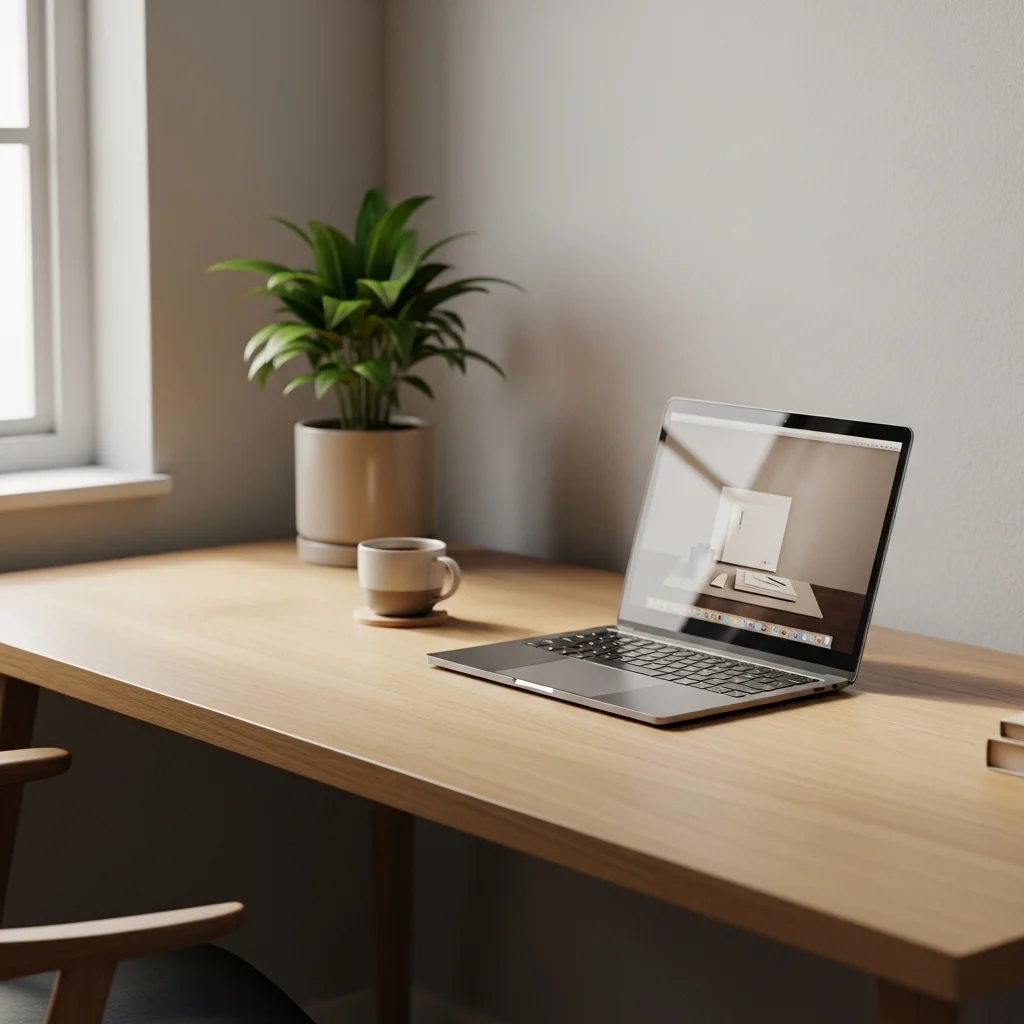
A simple wooden desk acts as the centerpiece of a Japandi home office. Opt for designs that feature clean lines, smooth surfaces, and natural wood finishes such as oak, ash, or walnut. The beauty of the wood grain itself becomes the focal point, eliminating the need for excessive decoration.
Functionality should always guide your choice. A desk with built in storage or a streamlined structure helps keep your essentials organized. This simplicity encourages a clutter free workspace, which is essential for maintaining focus and productivity throughout the day.
Focus on Decluttered Surfaces
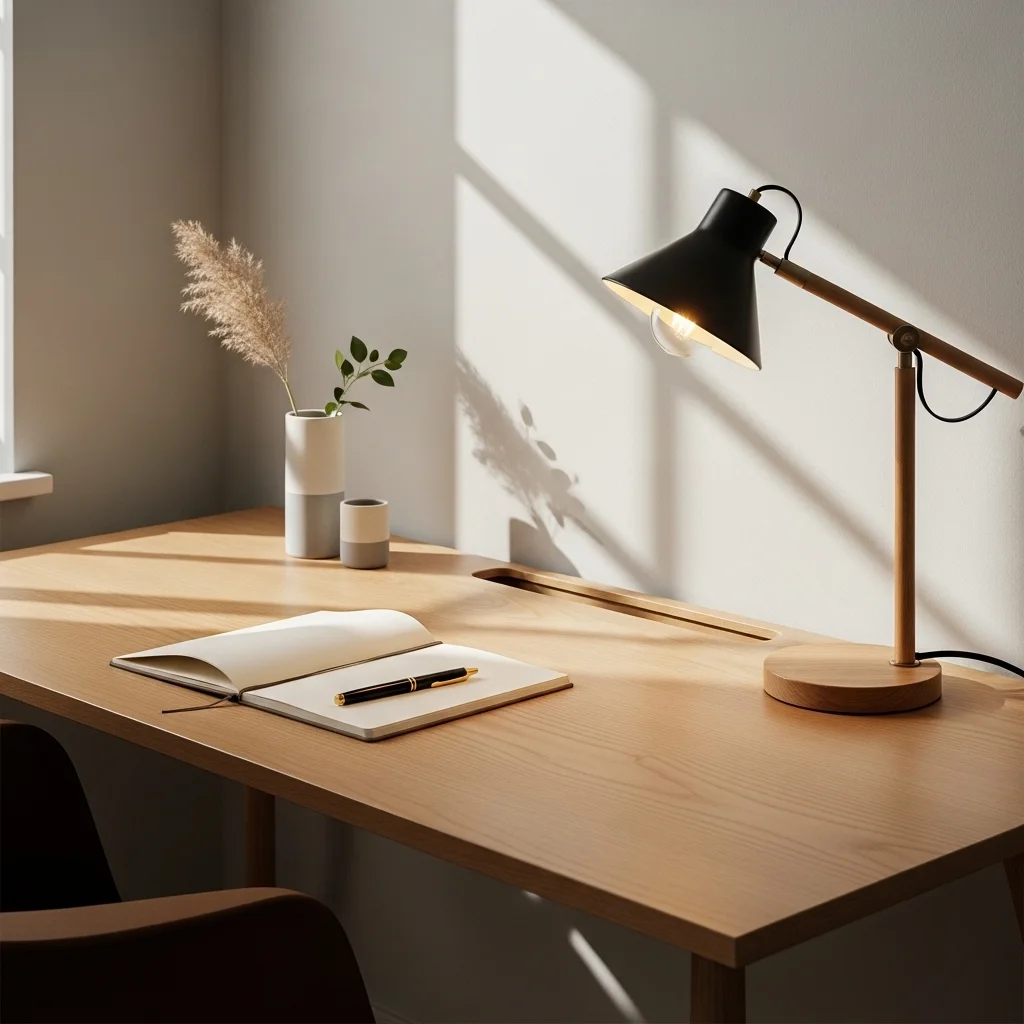
Keeping surfaces clean and uncluttered is a core principle of Japandi design. A crowded desk can create mental fatigue and reduce efficiency, while a minimal setup promotes clarity and calmness. Limit your desk items to essentials such as a laptop, a notebook, and perhaps a small decorative object.
Developing a habit of regular organization is key. Use drawers, organizers, and storage boxes to keep everything in its place. When your workspace is visually clear, your mind feels less overwhelmed, allowing you to work more effectively and with greater ease.
Incorporate Natural Materials
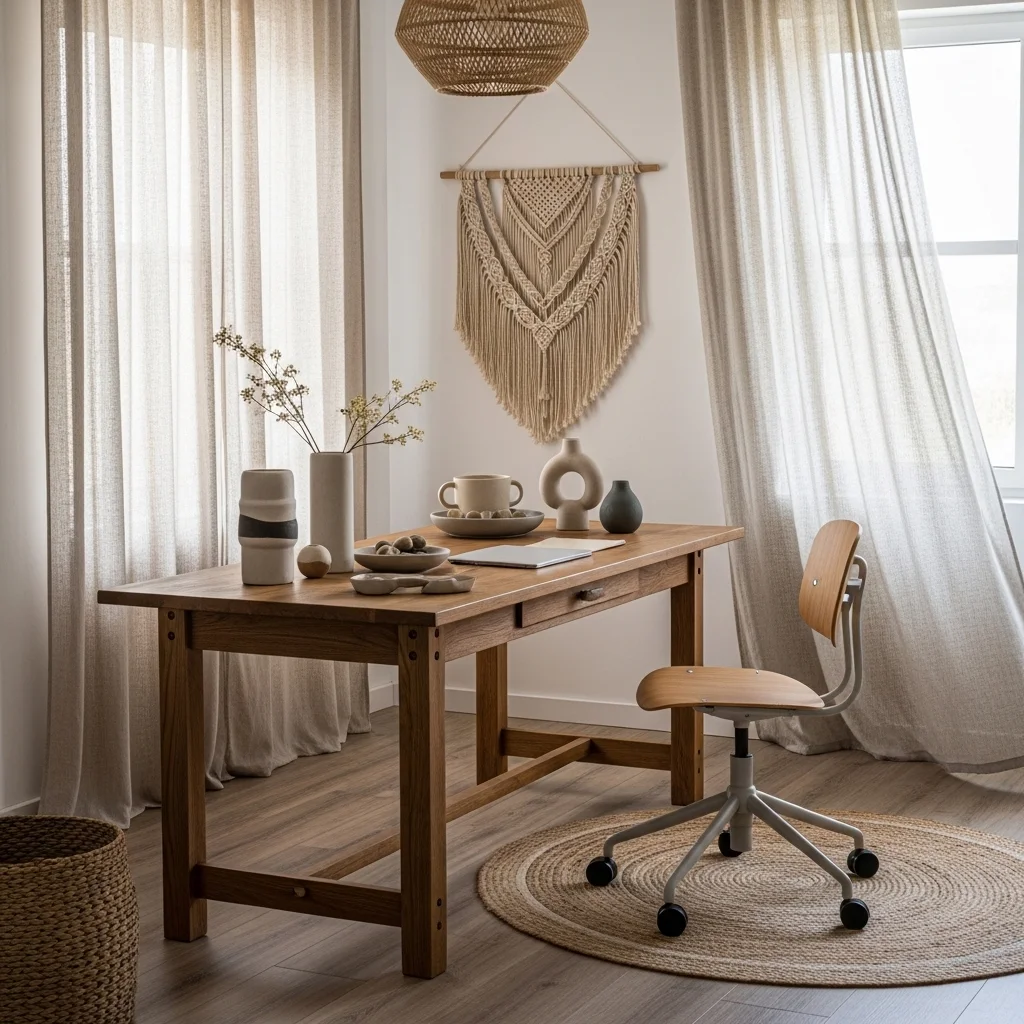
Natural materials bring warmth and authenticity to a Japandi home office. Wood, bamboo, linen, stone, and ceramic are commonly used to create a balanced and grounded environment. These materials not only add texture but also create a connection to nature, which is central to both Japanese and Scandinavian design philosophies.
Incorporating natural elements can be as simple as choosing a wooden chair, a linen curtain, or a ceramic vase. The key is to maintain a cohesive look by selecting materials that complement each other. This creates a space that feels both inviting and serene.
Add Soft and Functional Lighting
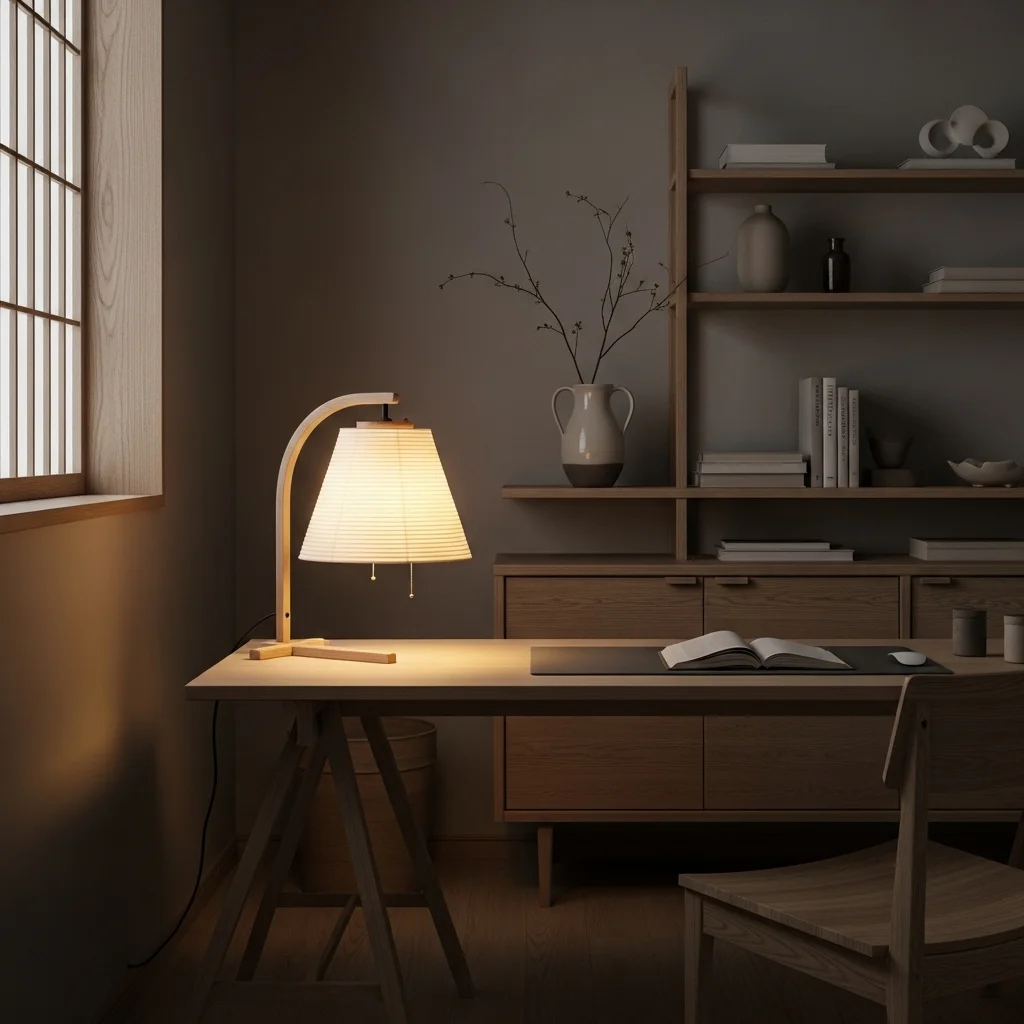
Lighting has a significant impact on the mood and functionality of your workspace. In a Japandi home office, soft and diffused lighting is preferred over harsh or overly bright fixtures. This creates a comfortable environment that reduces eye strain and enhances focus.
Layered lighting works best. Combine natural light with a simple desk lamp and ambient lighting to achieve a balanced effect. Lamps with paper or fabric shades are ideal, as they soften the light and contribute to the warm and calming atmosphere.
Keep Furniture Low and Minimal
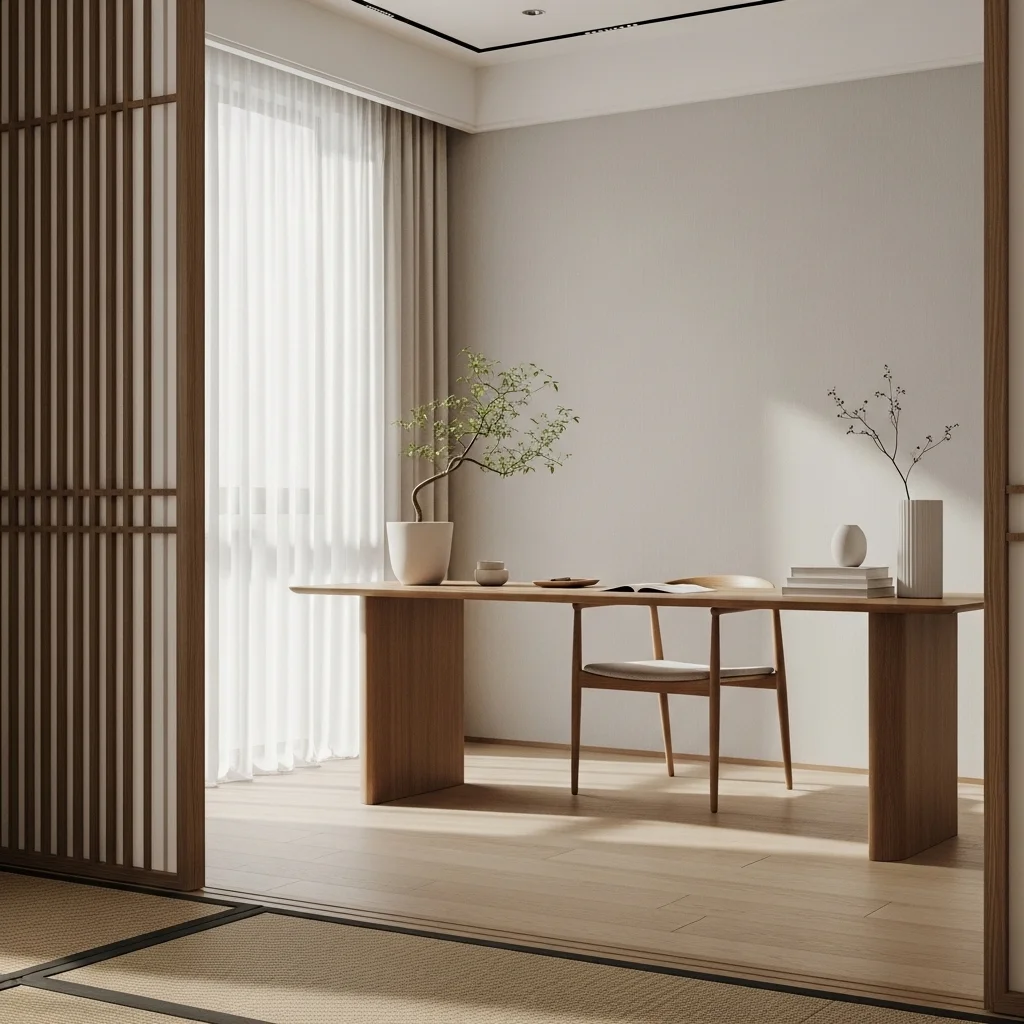
Low profile furniture helps create a sense of openness and simplicity. In a Japandi office, desks, chairs, and storage units are often designed to sit lower to the ground, giving the space a relaxed and grounded feel.
This approach is especially useful in smaller rooms where bulky furniture can feel overwhelming. By keeping furniture minimal and proportionate, you allow the space to breathe, making it feel more spacious and organized.
Use Clean Lines and Simple Forms
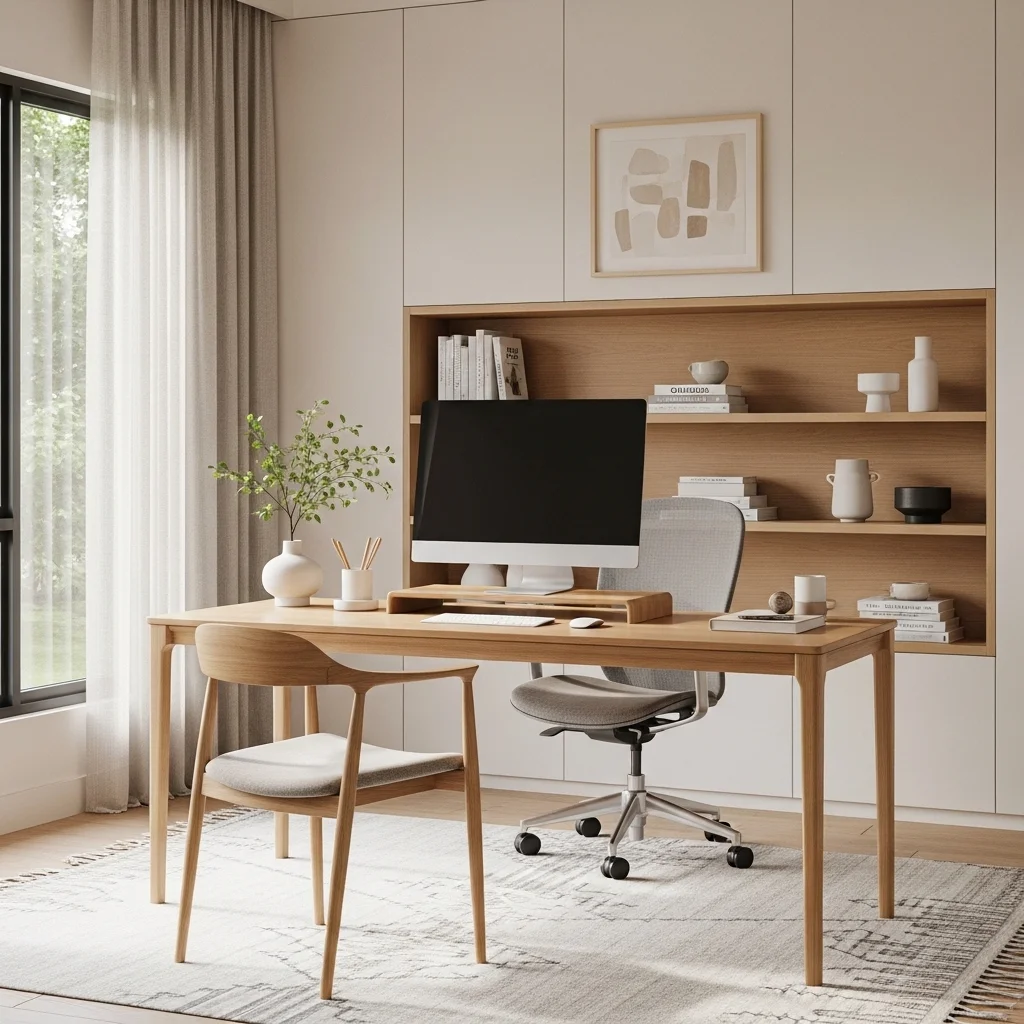
Clean lines and simple shapes are essential for achieving the Japandi aesthetic. Furniture should have a refined and understated look, free from unnecessary ornamentation or complex detailing.
This simplicity creates a sense of order and balance. Each piece in the room serves a purpose and contributes to the overall harmony of the space, resulting in a workspace that feels calm and cohesive.
Introduce Indoor Plants
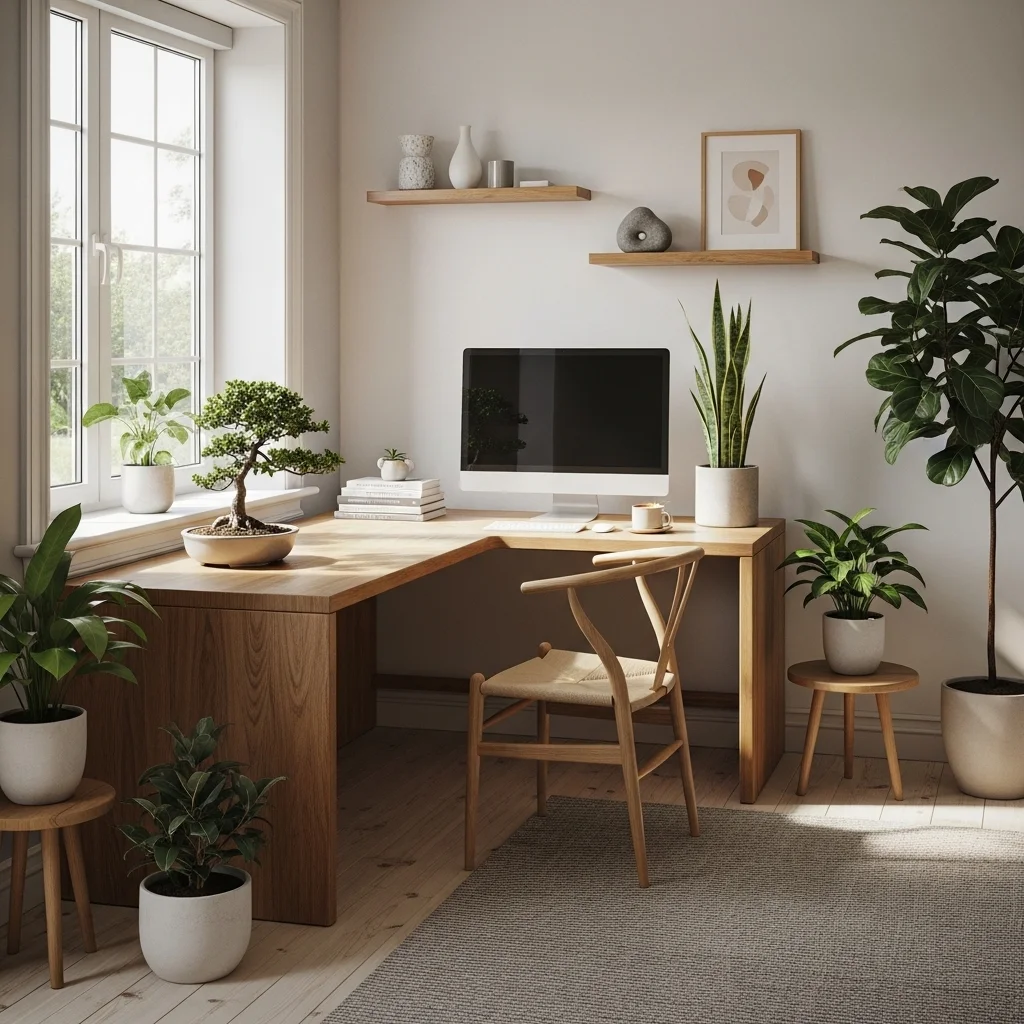
Indoor plants are a simple yet effective way to bring life into your home office. They add a touch of greenery that enhances the natural feel of the space while improving air quality.
Choose plants that are easy to maintain and align with the minimalist aesthetic. A single plant placed thoughtfully can create a focal point without overwhelming the room. This subtle addition helps create a refreshing and calming atmosphere.
Opt for Functional Storage Solutions
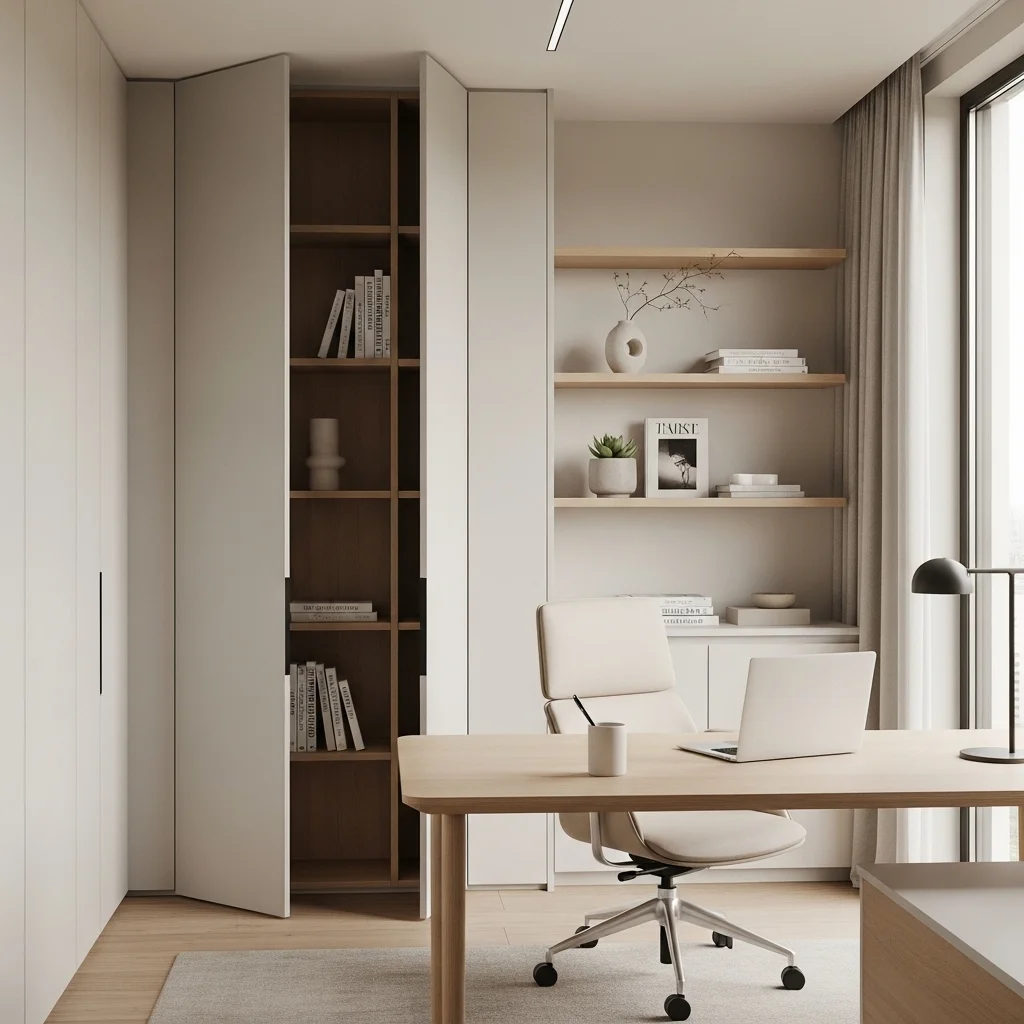
Storage is essential for maintaining a clutter free environment. In a Japandi home office, storage solutions should be practical, discreet, and visually cohesive with the rest of the design.
Closed cabinets and drawers are ideal for hiding clutter, while open shelves can be used sparingly to display carefully selected items. The goal is to keep everything organized without disrupting the clean and minimalist look of the space.
Incorporate Textured Fabrics
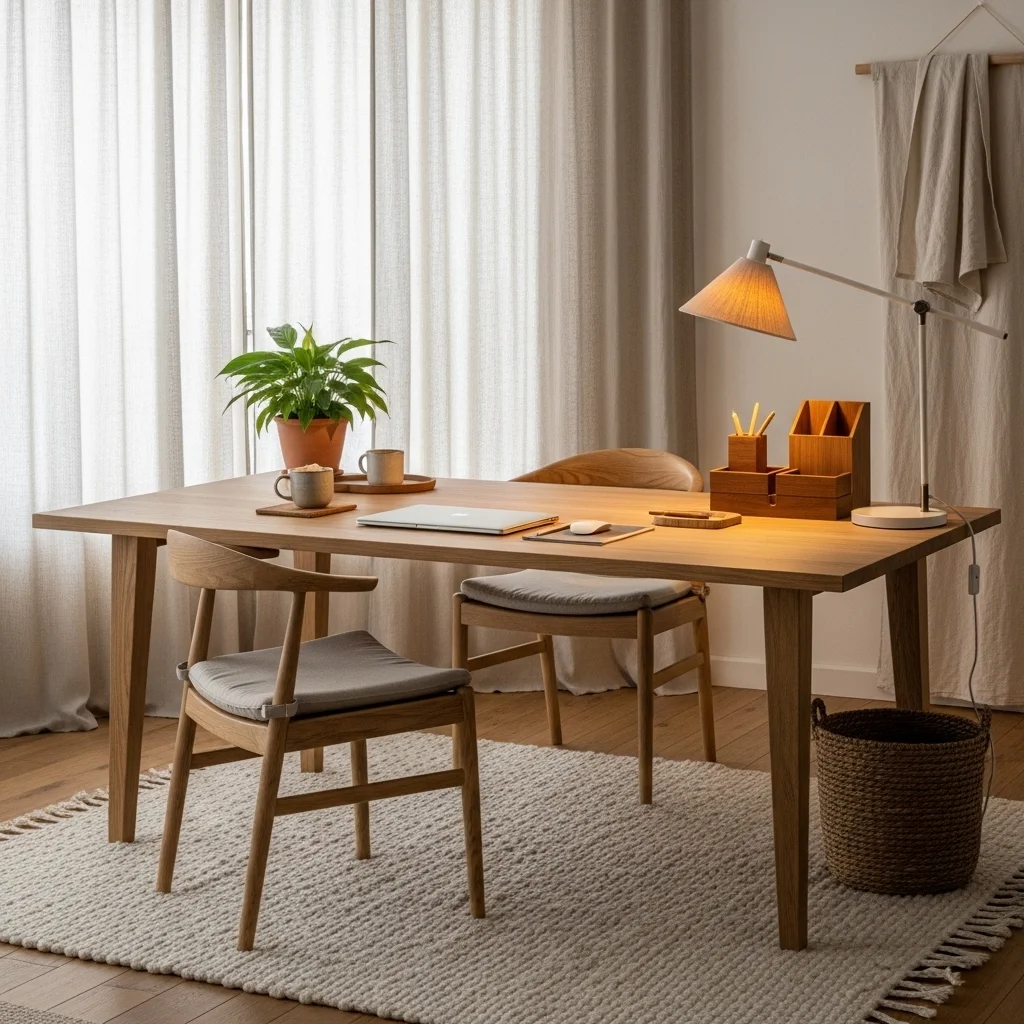
Textures play an important role in adding warmth to a minimalist office. Soft fabrics like linen, cotton, and wool create a cozy contrast against the clean lines of furniture.
Adding a rug, curtains, or a cushion can make the space feel more inviting and comfortable. These elements enhance the overall design without compromising simplicity, making your office both functional and pleasant to work in.
Use Minimal Wall Decor
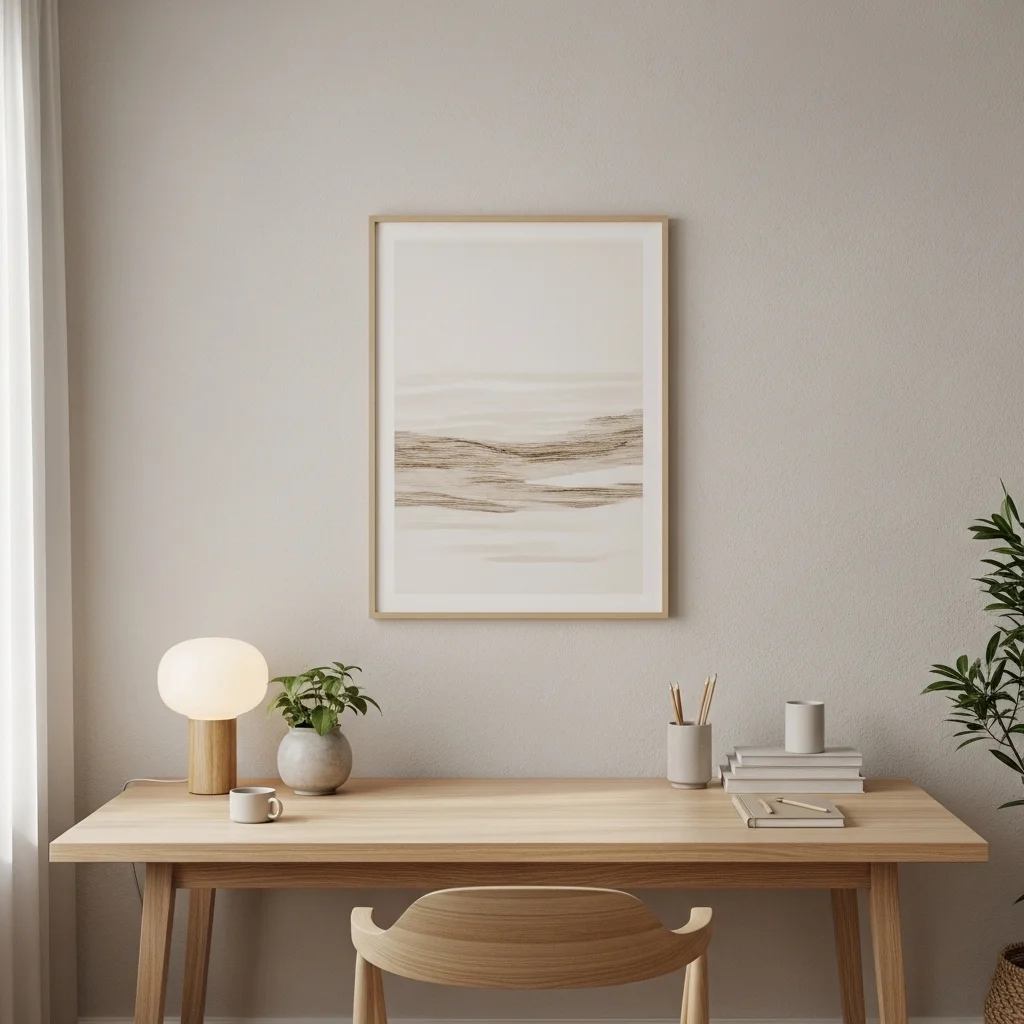
Wall decor should be kept simple and intentional. A single piece of artwork or a framed print is often enough to add personality to your workspace.
Avoid overcrowding your walls with multiple decorations. A clean wall space contributes to a calm and focused environment, allowing your mind to stay on task without unnecessary distractions.
Maximize Natural Light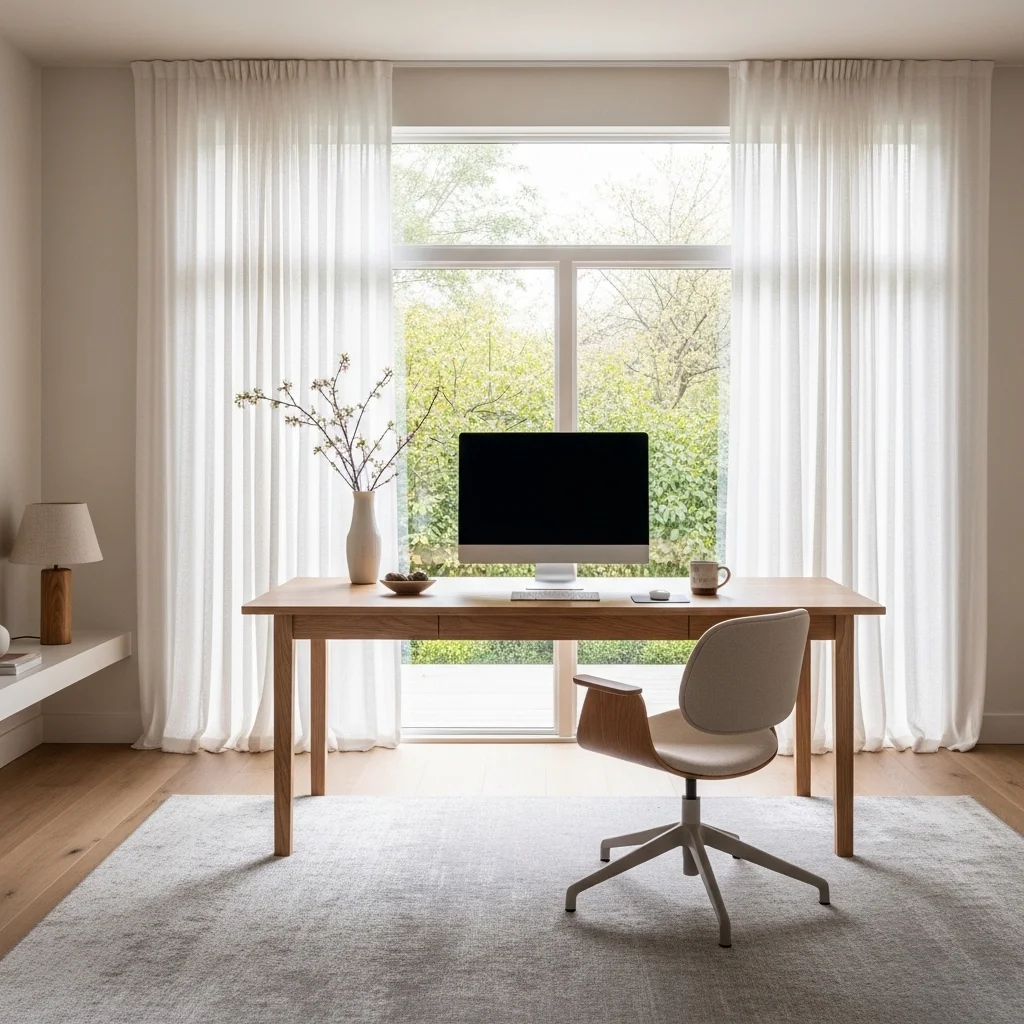
Natural light is one of the most valuable elements in a Japandi home office. It not only enhances the visual appeal of the space but also improves mood and productivity.
Position your desk near a window and use light curtains to allow sunlight to filter through gently. This creates a bright and uplifting environment that aligns perfectly with the principles of simplicity and balance.
Select Ergonomic Yet Stylish Furniture
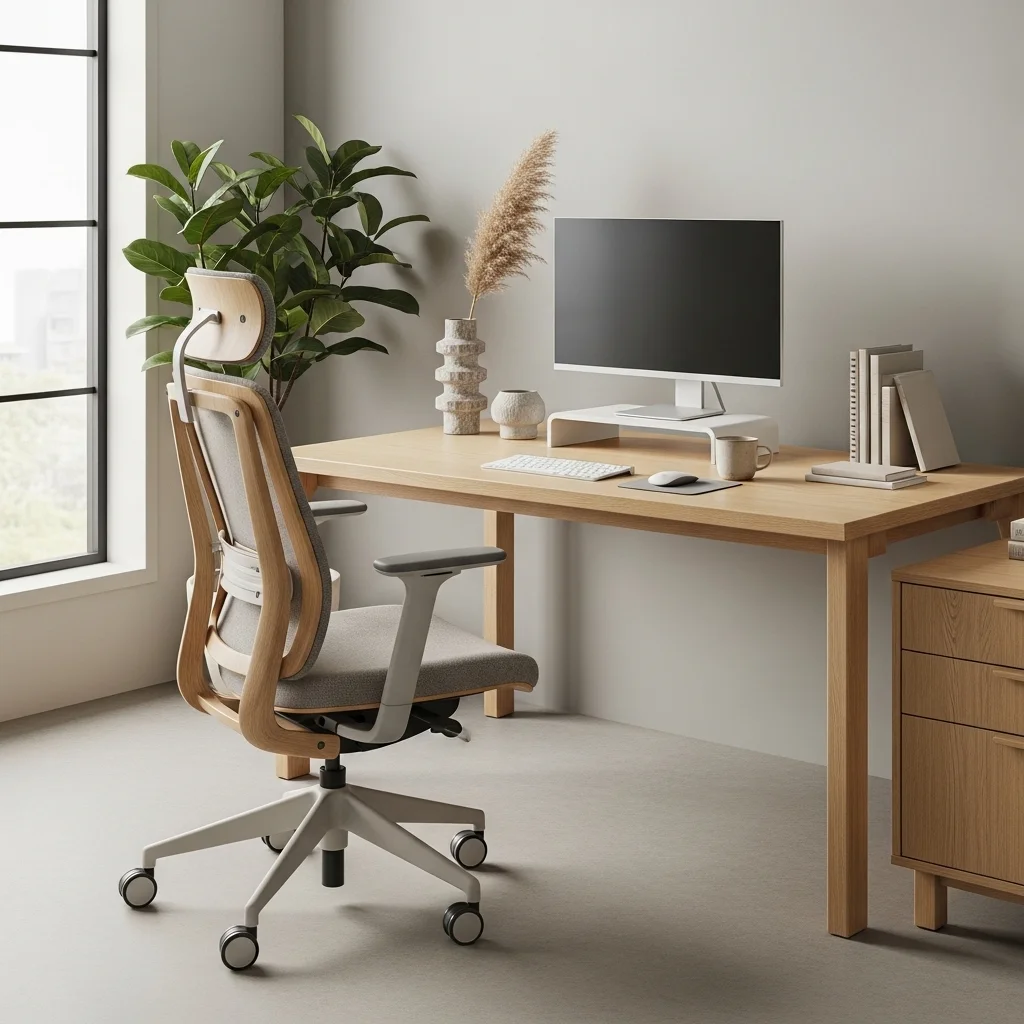
Comfort should never be compromised in a workspace. Ergonomic furniture ensures that you can work for long hours without discomfort while maintaining good posture.
Look for designs that combine comfort with simplicity. A well designed chair and desk can enhance both functionality and aesthetics, making your office a space where you can work efficiently and comfortably.
Stick to a Limited Color Scheme
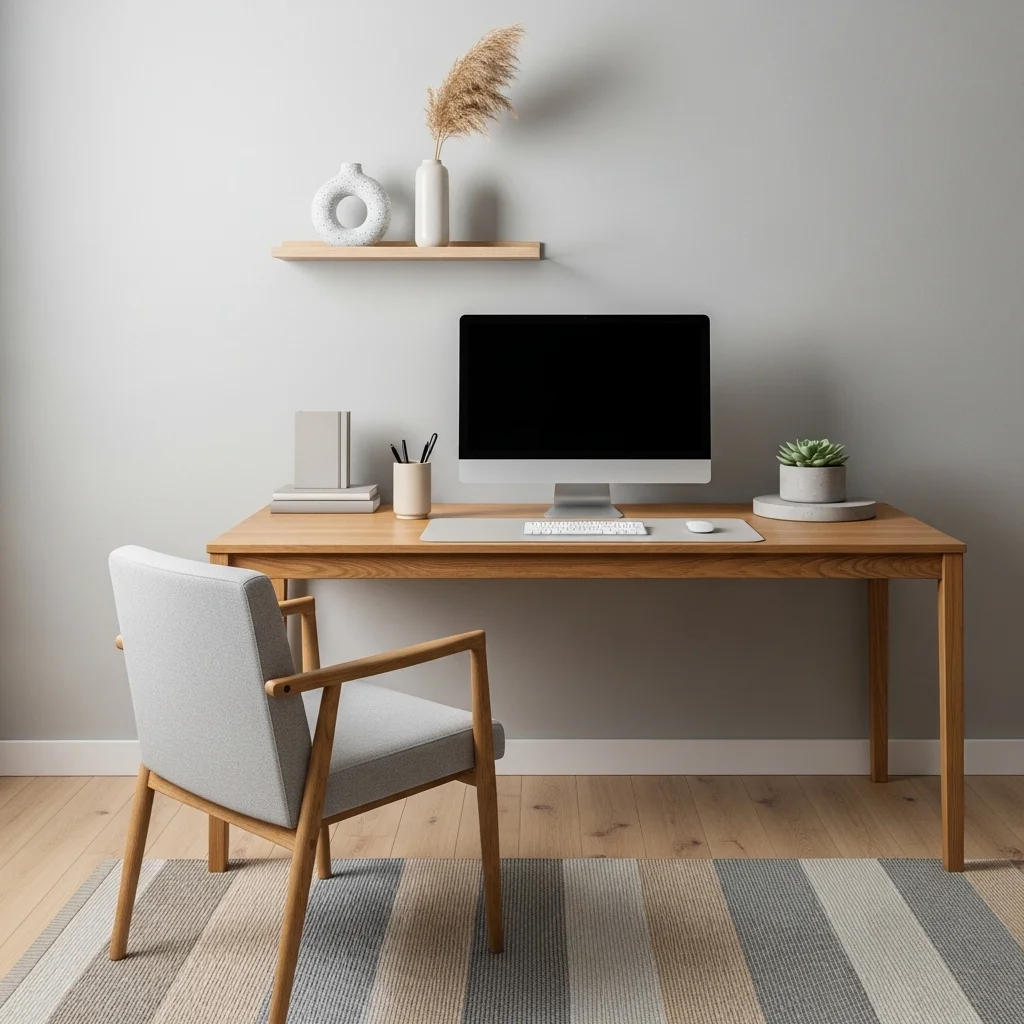
Maintaining a limited color scheme helps create a cohesive and harmonious environment. Choose two to four colors that complement each other and use them consistently throughout the space.
This approach prevents visual clutter and ensures that your office feels balanced and well organized. It also makes it easier to coordinate different elements within the room.
Incorporate Handmade Elements
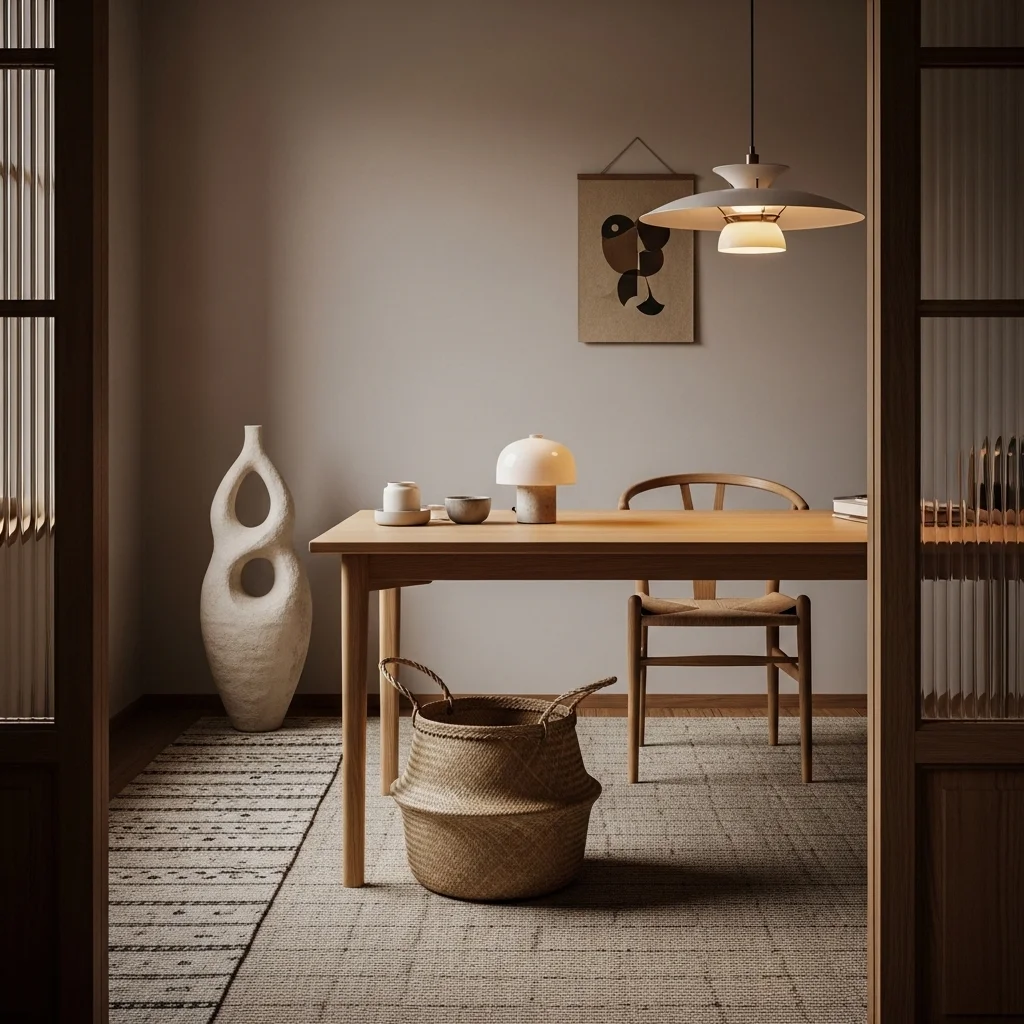
Handmade items add a unique and personal touch to your workspace. These pieces reflect craftsmanship and authenticity, which are key aspects of Japandi design.
Whether it is a ceramic bowl or a woven basket, these elements bring character to your office. They make the space feel more meaningful while maintaining its minimalist appeal.
Keep Technology Minimal and Organized
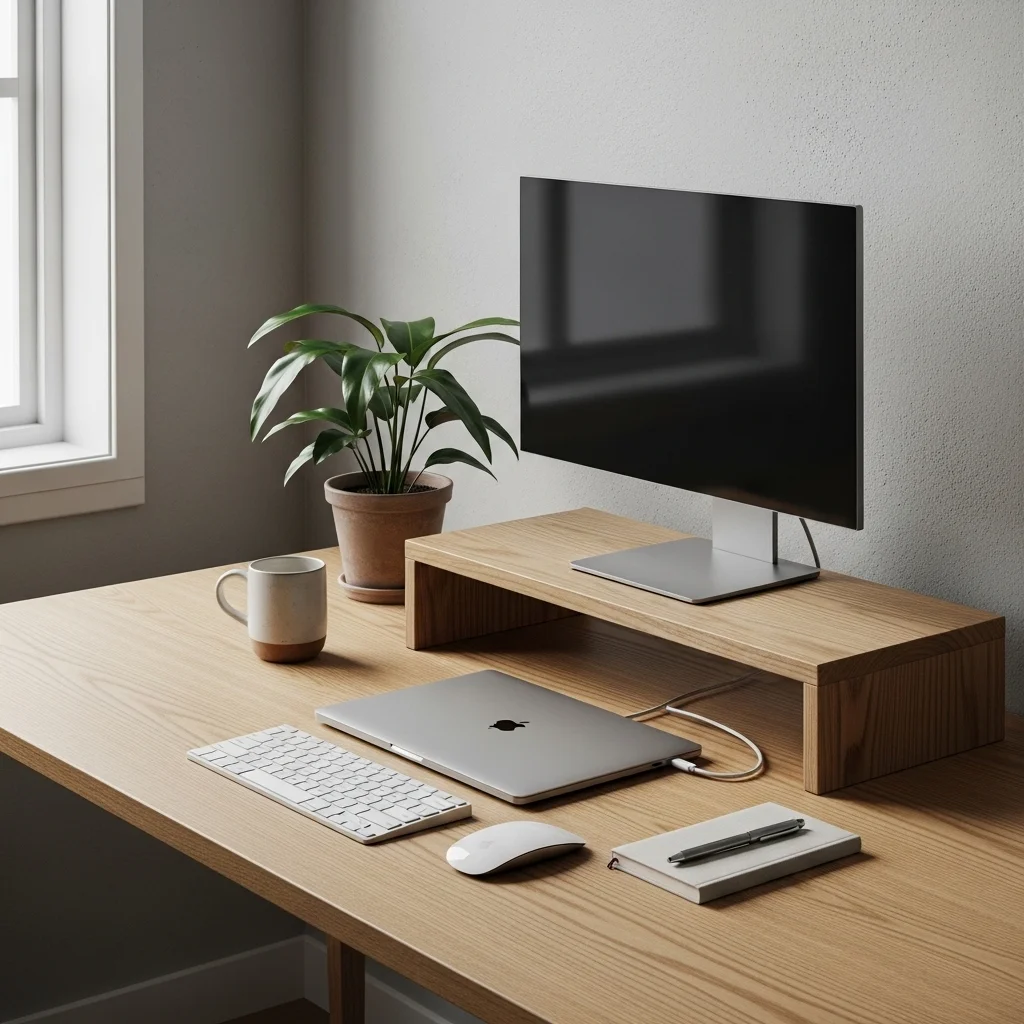
Technology is essential, but it should be integrated thoughtfully into your design. Keep cables hidden and choose sleek devices that blend with the overall aesthetic.
Organizing your tech setup not only improves the look of your workspace but also enhances functionality. A clean and tidy setup allows you to focus on your tasks without distraction.
Add a Statement Chair
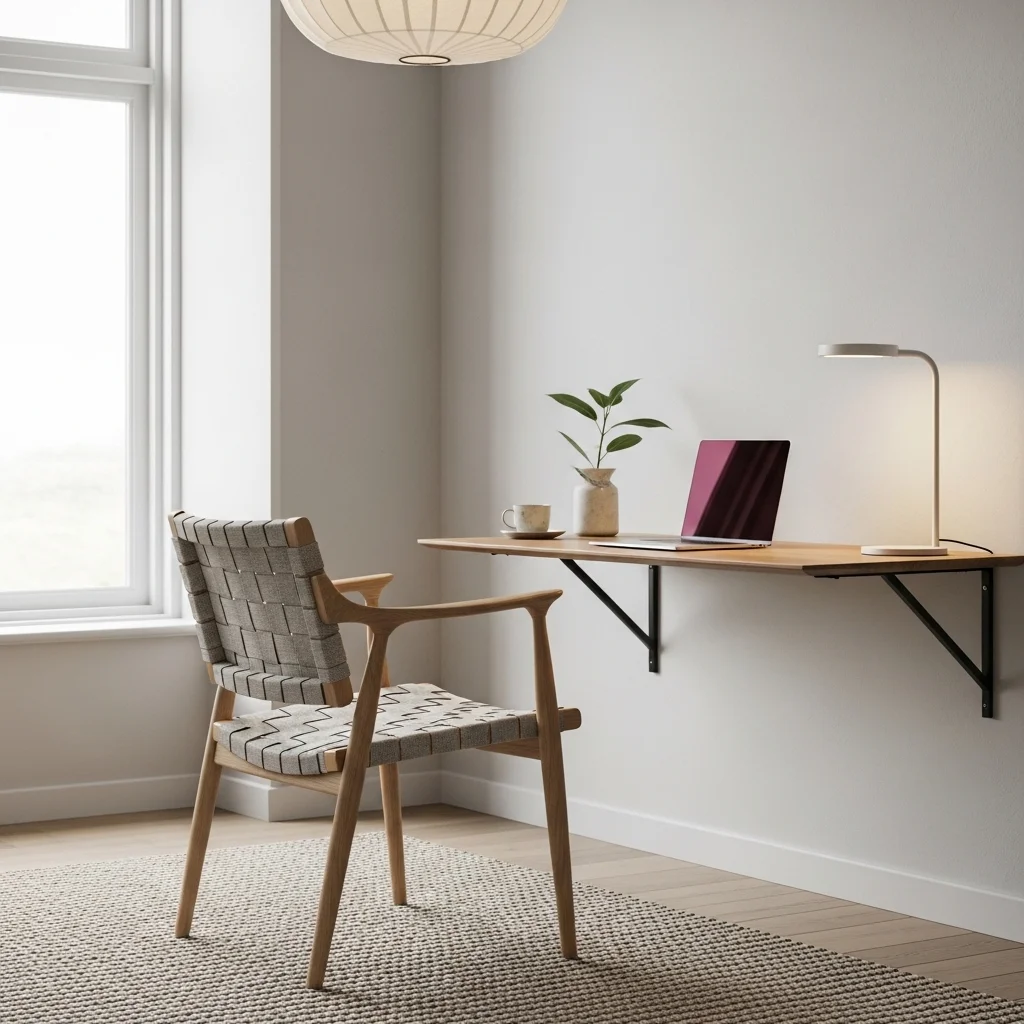
A statement chair can elevate the overall look of your home office while serving a practical purpose. Choose a design that is both comfortable and visually appealing.
The chair should complement the rest of the space without overpowering it. This balance ensures that your office remains cohesive and elegant.
Use Open Space Effectively
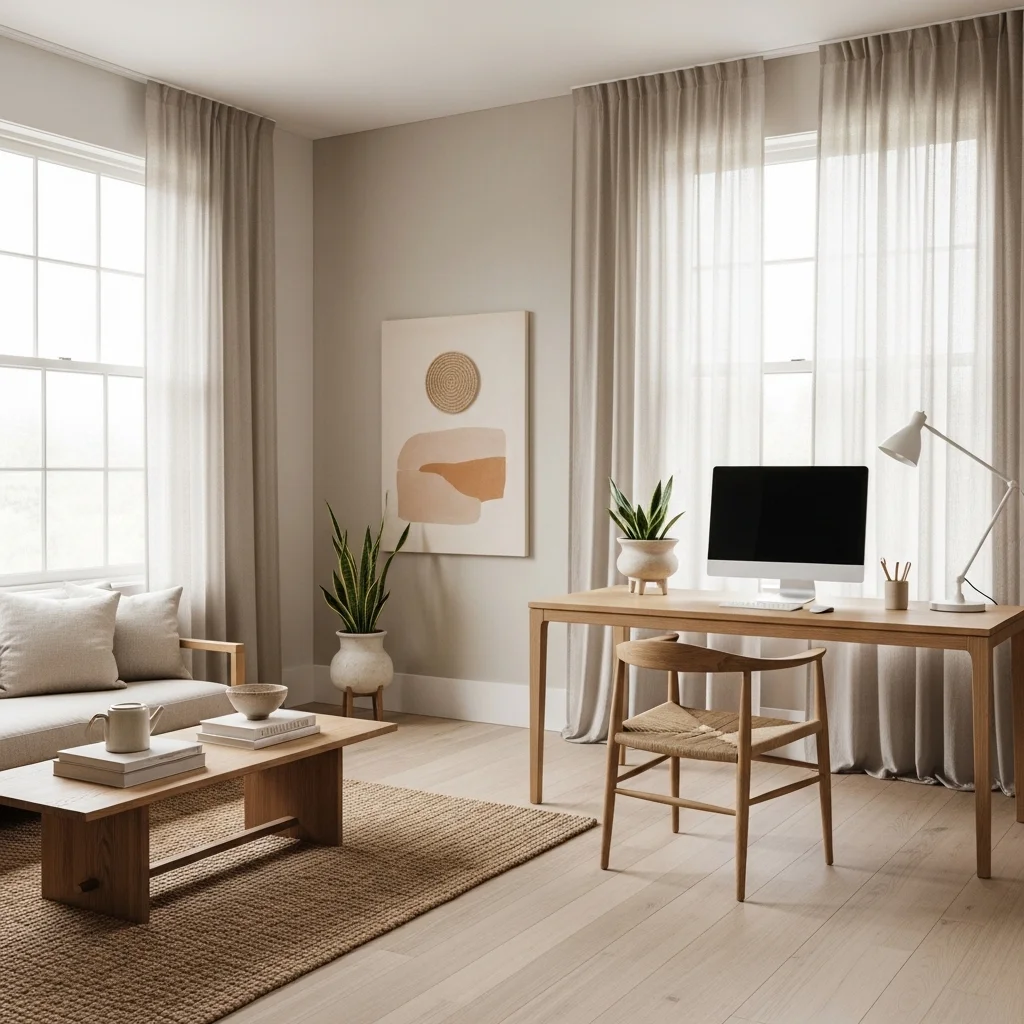
Open space is an important element in Japandi design. Leaving areas empty allows the room to feel more spacious and less cluttered.
This use of negative space creates a sense of calm and balance. It also helps highlight the key elements in your office, making the design more intentional and refined.
Incorporate Subtle Contrast
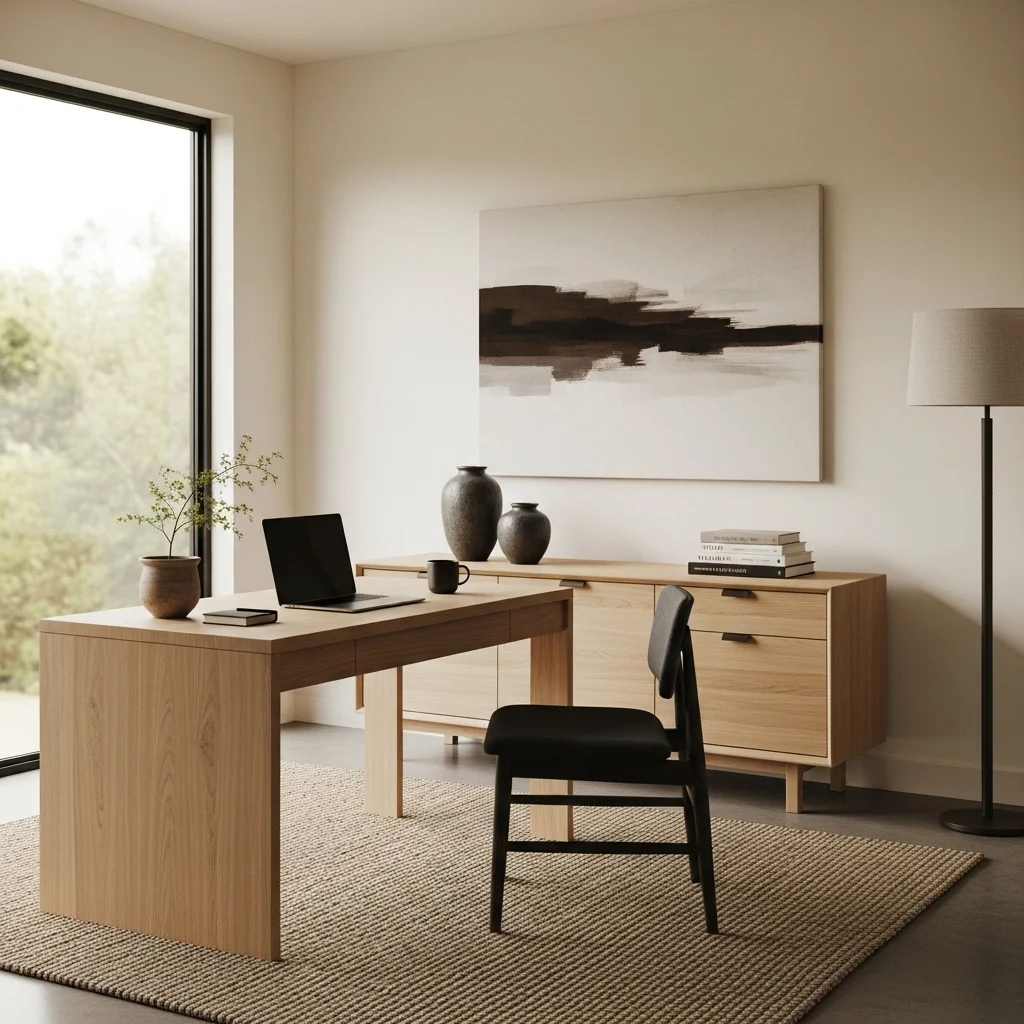
While Japandi design is primarily neutral, subtle contrast can add depth and interest. This can be achieved through variations in texture or slightly darker tones.
For example, pairing light wood with darker accents creates a balanced and visually appealing look. This contrast enhances the overall design without disrupting its simplicity.
Create a Dedicated Work Zone
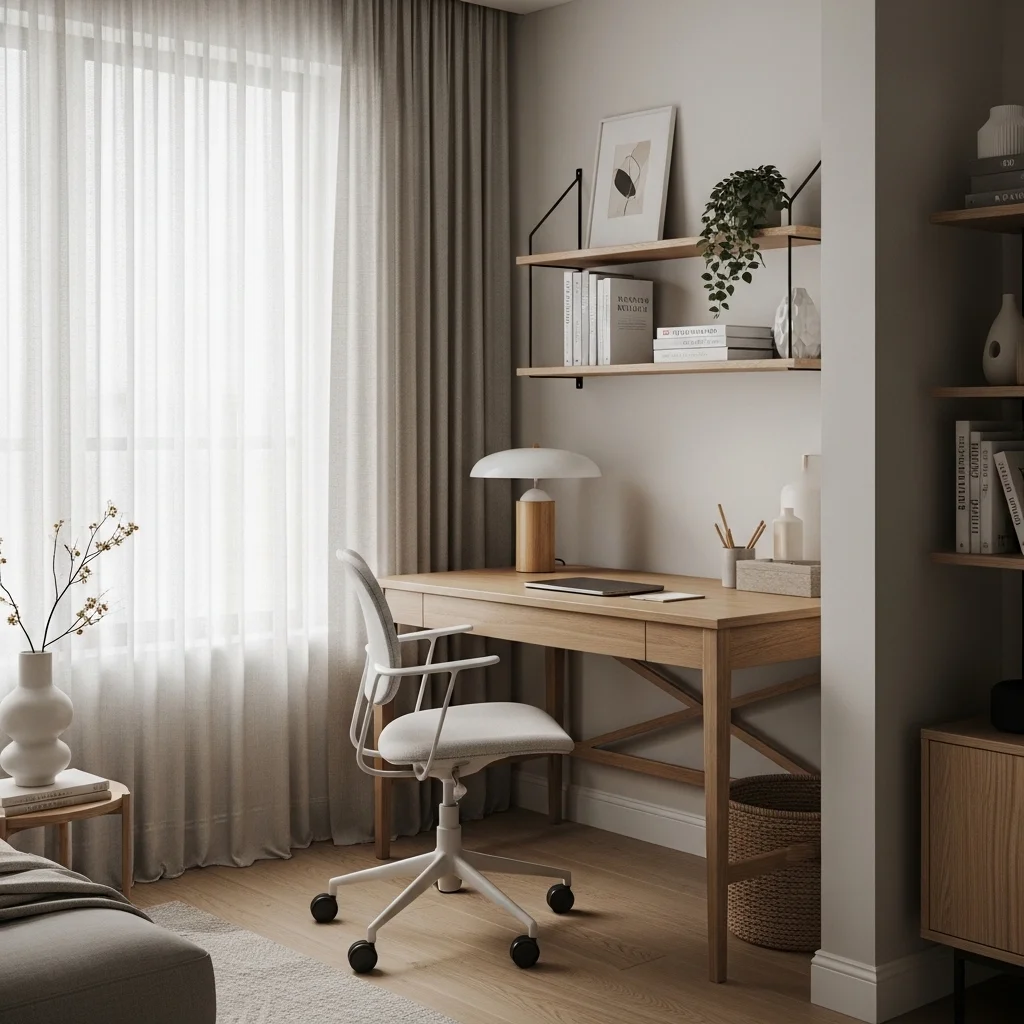
Having a dedicated workspace helps improve focus and productivity. Even in a small home, you can create a defined area for work using furniture placement or rugs.
This separation helps establish a clear boundary between work and personal life. It also makes your routine more structured and efficient.
Choose Sustainable Materials
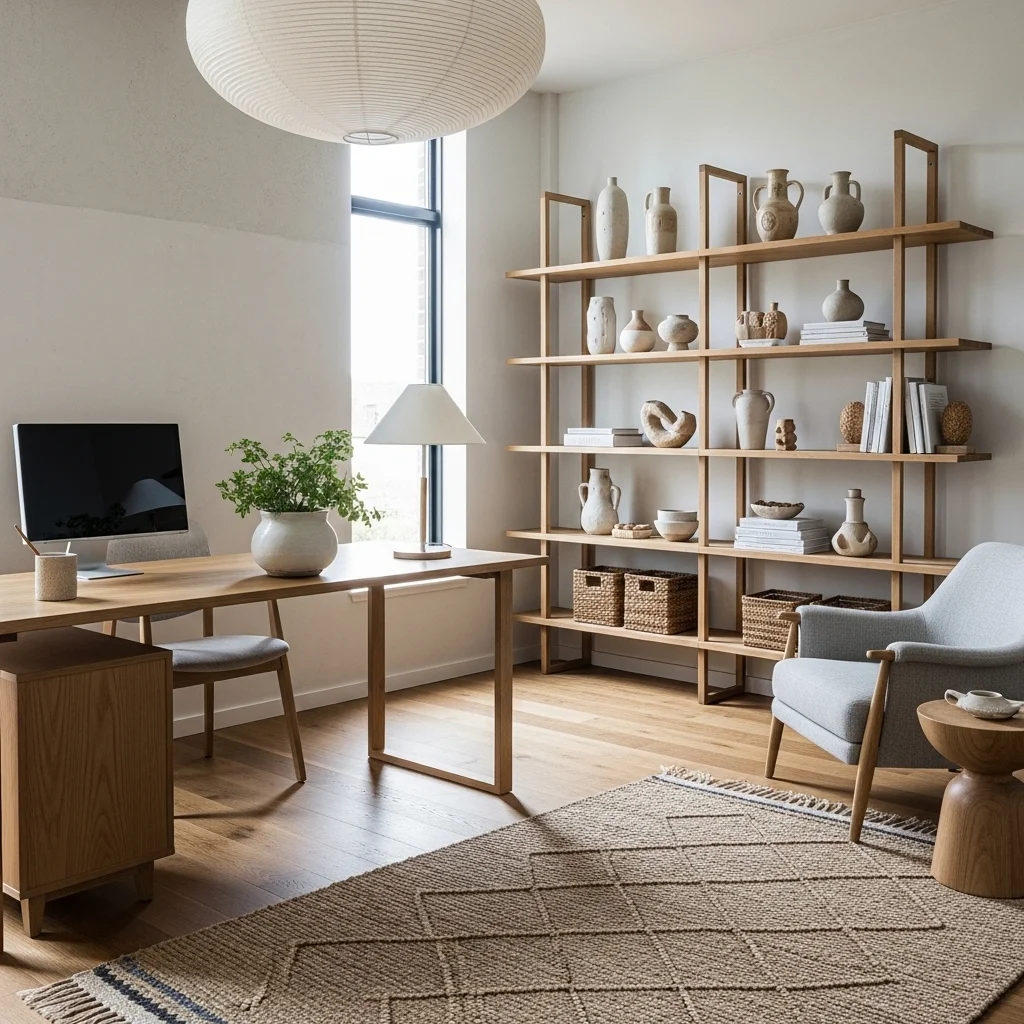
Sustainability is a key aspect of Japandi design. Choosing eco friendly materials and high quality furniture ensures that your workspace is both durable and environmentally conscious.
This approach emphasizes long term value over short term trends. It also aligns with the principles of simplicity and mindful living.
Personalize with Intention
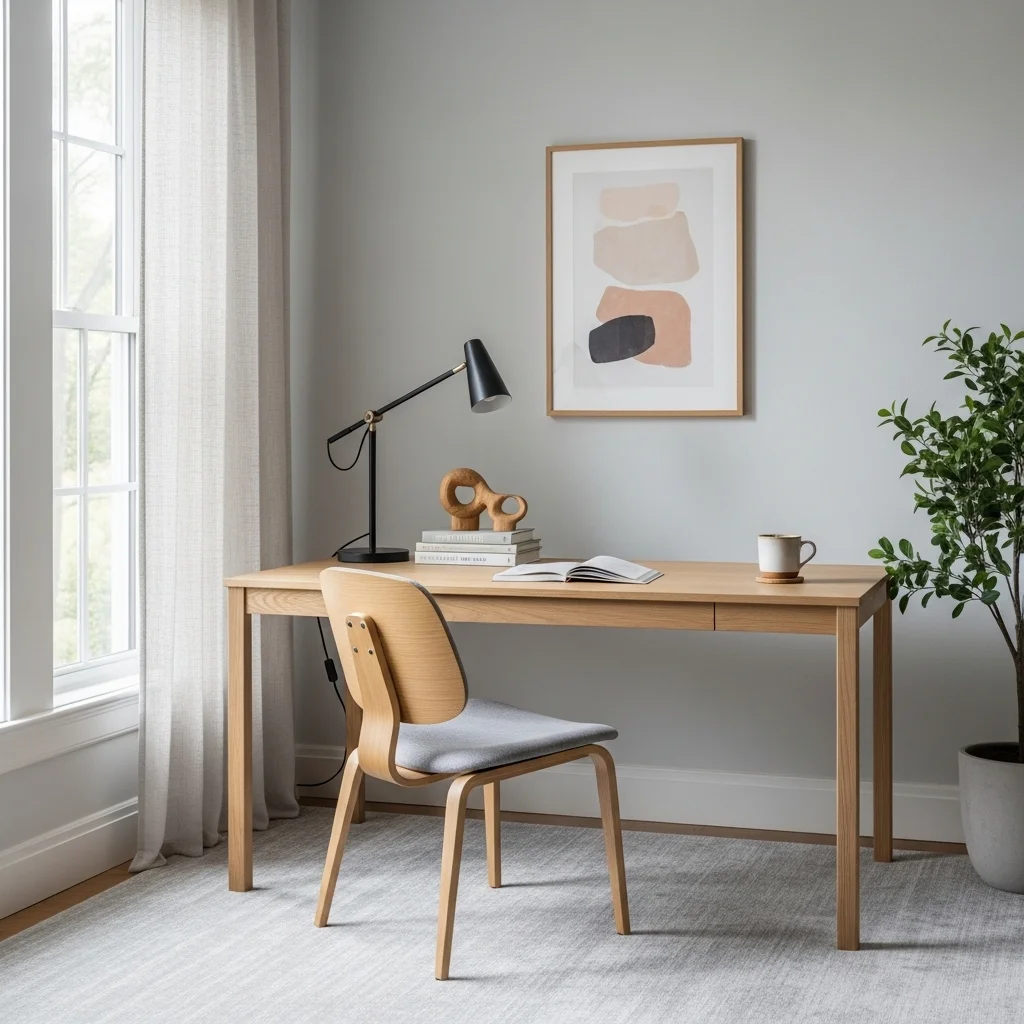
Personal touches should be meaningful and minimal. Select items that reflect your personality without adding clutter to the space.
A carefully chosen object can enhance the overall design and make your workspace feel unique. The key is to maintain balance and ensure that every element serves a purpose.
Conclusion
A Japandi home office offers the perfect balance between simplicity and comfort. By focusing on natural materials, neutral colors, and intentional design choices, you can create a workspace that supports productivity and well being.
These 22 ideas provide a comprehensive guide to designing a minimalist office that feels calm, organized, and inviting. Whether you are starting from scratch or making small changes, embracing Japandi principles can transform your workspace into a place where you truly enjoy working.
FAQs
What is a Japandi home office
A Japandi home office combines Japanese minimalism with Scandinavian functionality to create a clean, calm, and highly practical workspace.
What colors work best in Japandi design
Neutral tones such as beige, white, gray, and soft earthy shades are ideal for creating a peaceful and balanced environment.
How can I make my home office look more Japandi
Focus on decluttering, using natural materials, choosing simple furniture, and maintaining a neutral color palette.
Is Japandi style expensive to achieve
Not necessarily. You can achieve the look by focusing on simplicity, decluttering, and choosing quality over quantity.
Can Japandi style work in small spaces
Yes, it is perfect for small spaces because it emphasizes minimalism, efficient layouts, and the use of open space.