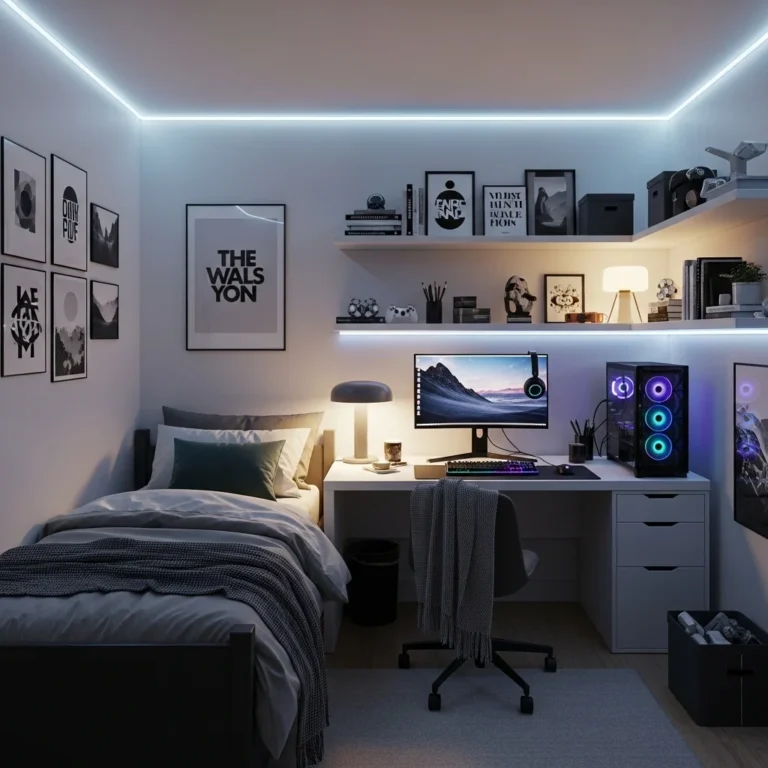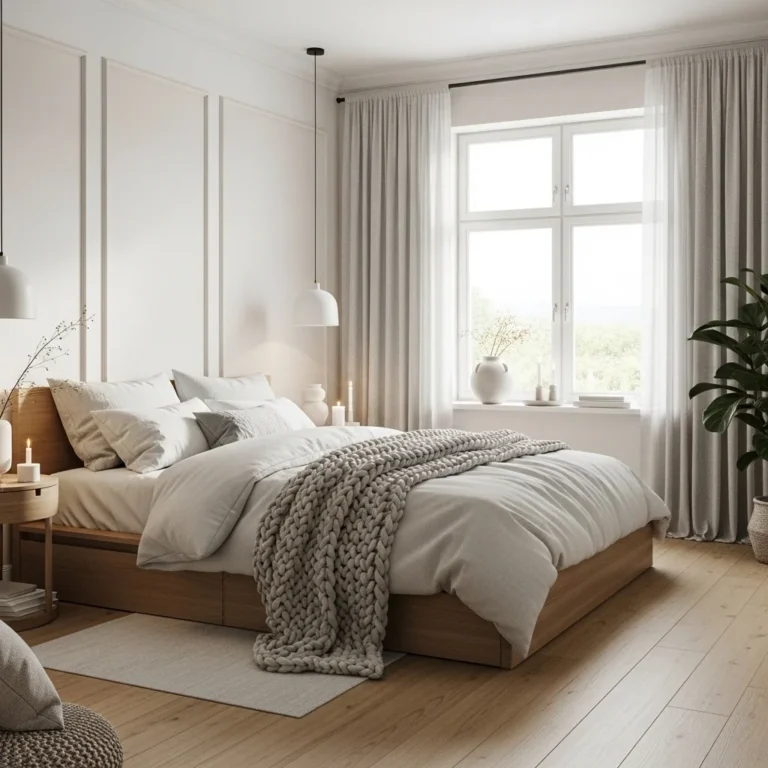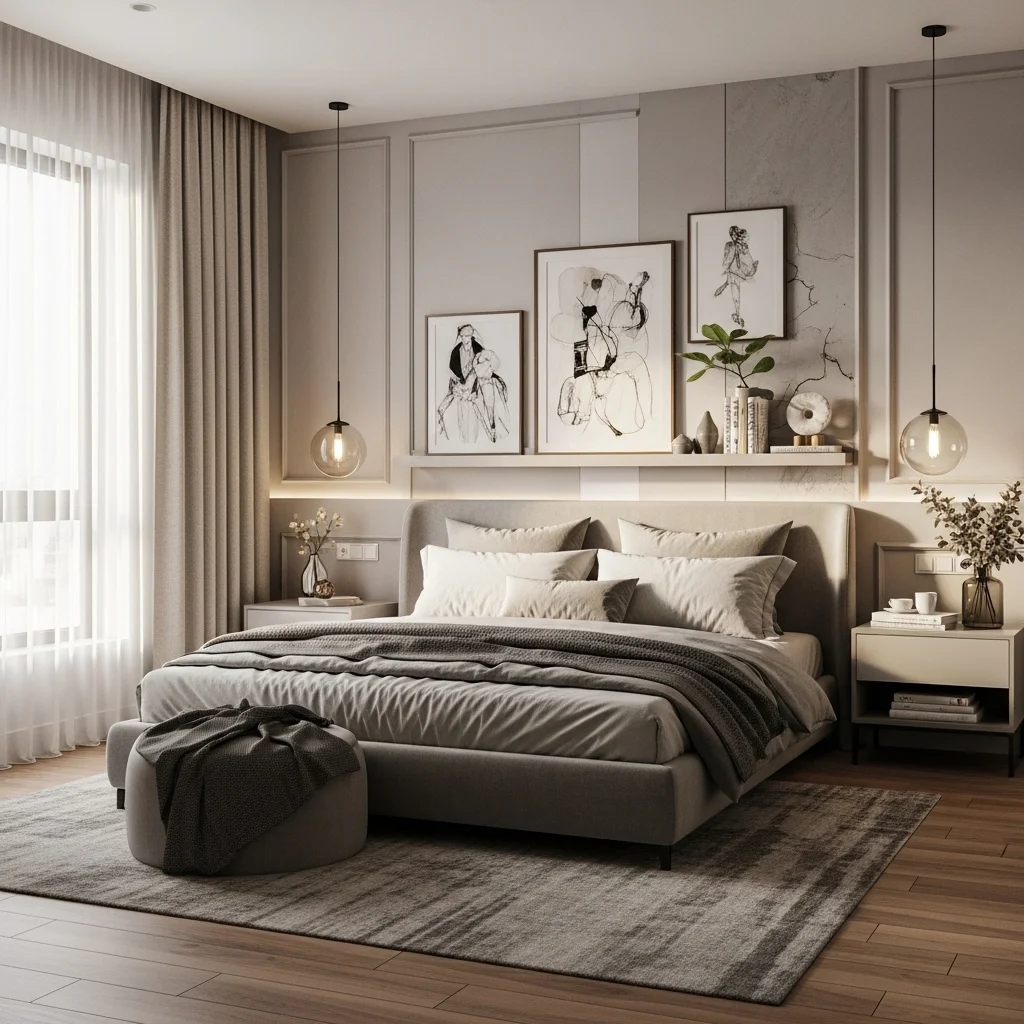
A bedroom does not always need a traditional headboard to look elegant and complete. In modern interior design, many homeowners and designers intentionally remove the headboard to create a cleaner, more flexible layout. This approach allows the wall behind the bed to become the visual centerpiece of the room rather than relying on a single piece of furniture.
Without a headboard, the bedroom gains more creative possibilities. Paint, artwork, textures, lighting, and architectural elements can all be used to design a unique focal point. The result is often a more open, modern, and personalized space that reflects individual style while maintaining comfort and balance.
Minimalist Bedroom with a Simple Bed Frame
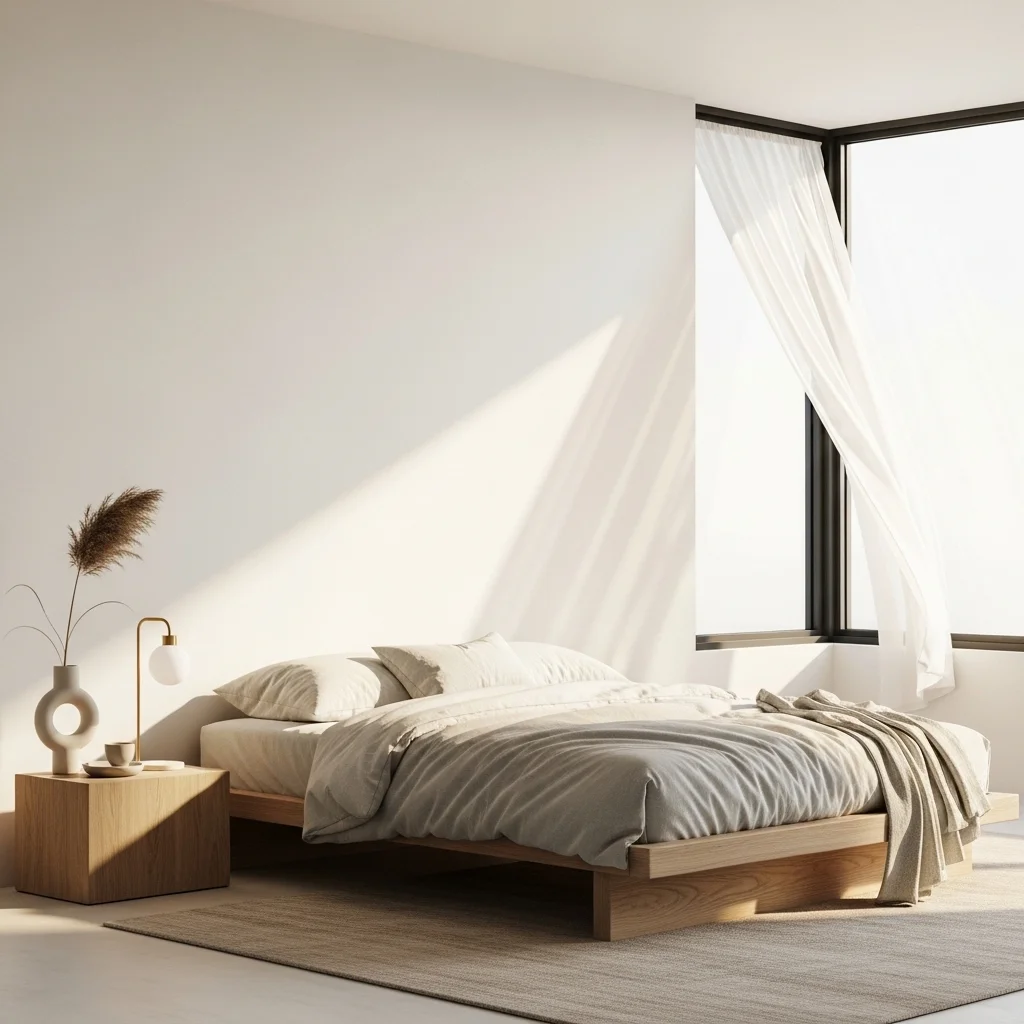
A minimalist bedroom is one of the easiest ways to style a bed without a headboard. A simple bed frame combined with neutral bedding creates a calm and uncluttered atmosphere. The focus shifts toward clean lines, balanced proportions, and a limited color palette.
Soft textures such as linen bedding, a woven rug, and subtle bedside lighting can add warmth while maintaining the minimalist aesthetic. The absence of a headboard makes the room feel lighter and more spacious, allowing natural light and simplicity to define the space.
Painted Accent Wall Behind the Bed
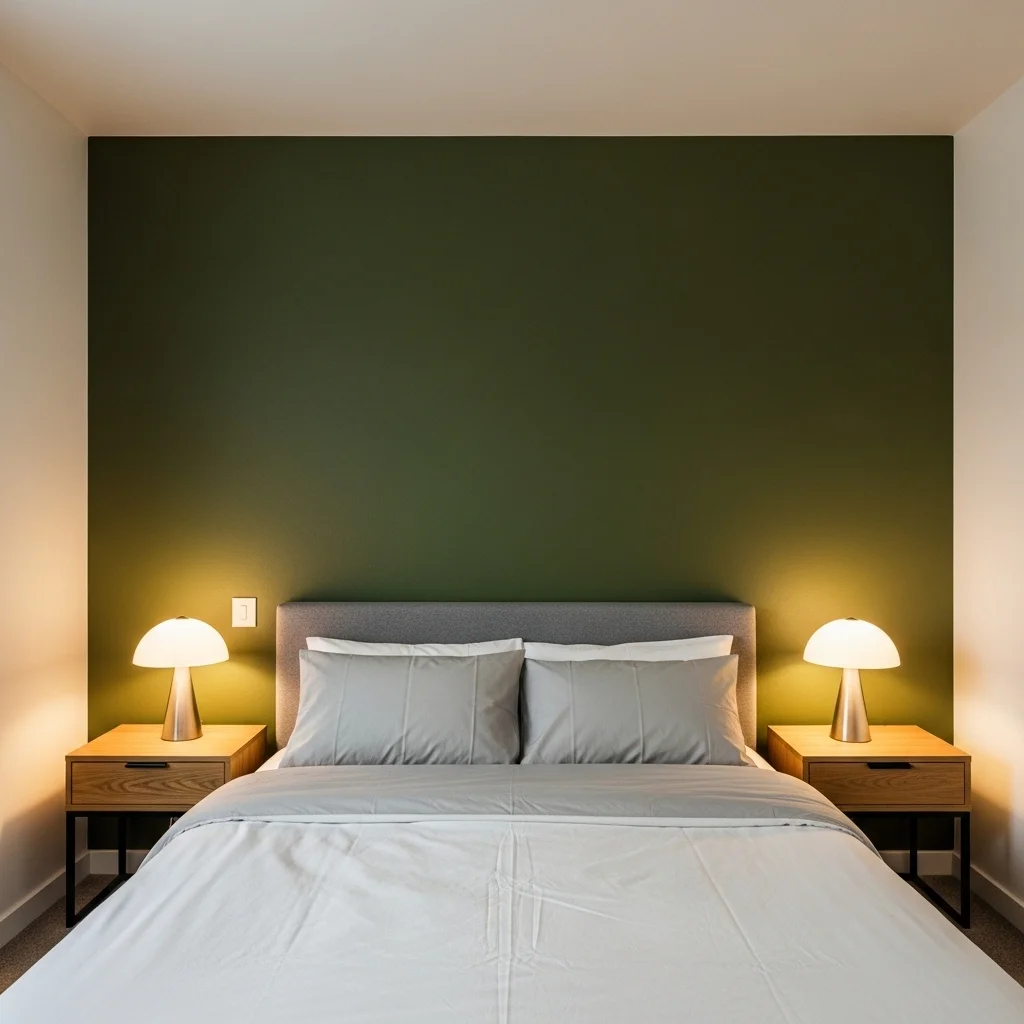
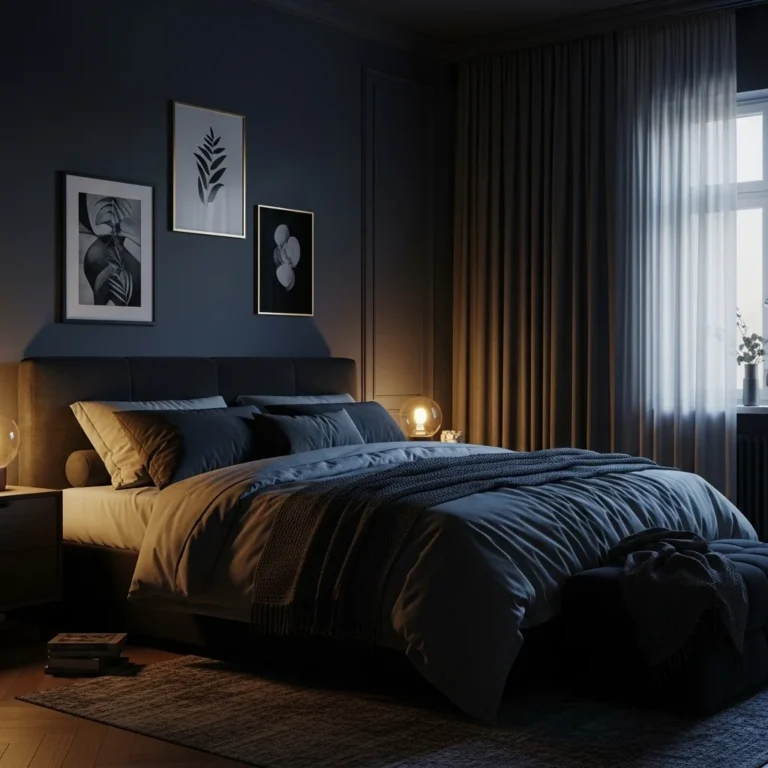
Creating a painted accent wall behind the bed is one of the most effective ways to define the sleeping area. A rich or contrasting color naturally draws attention to the bed while replacing the visual presence of a headboard.
Deep greens, warm terracotta, charcoal gray, or muted blues work beautifully for accent walls. The color creates depth and personality in the room while giving the bed a clear focal point without requiring additional furniture.
Oversized Artwork as a Focal Point
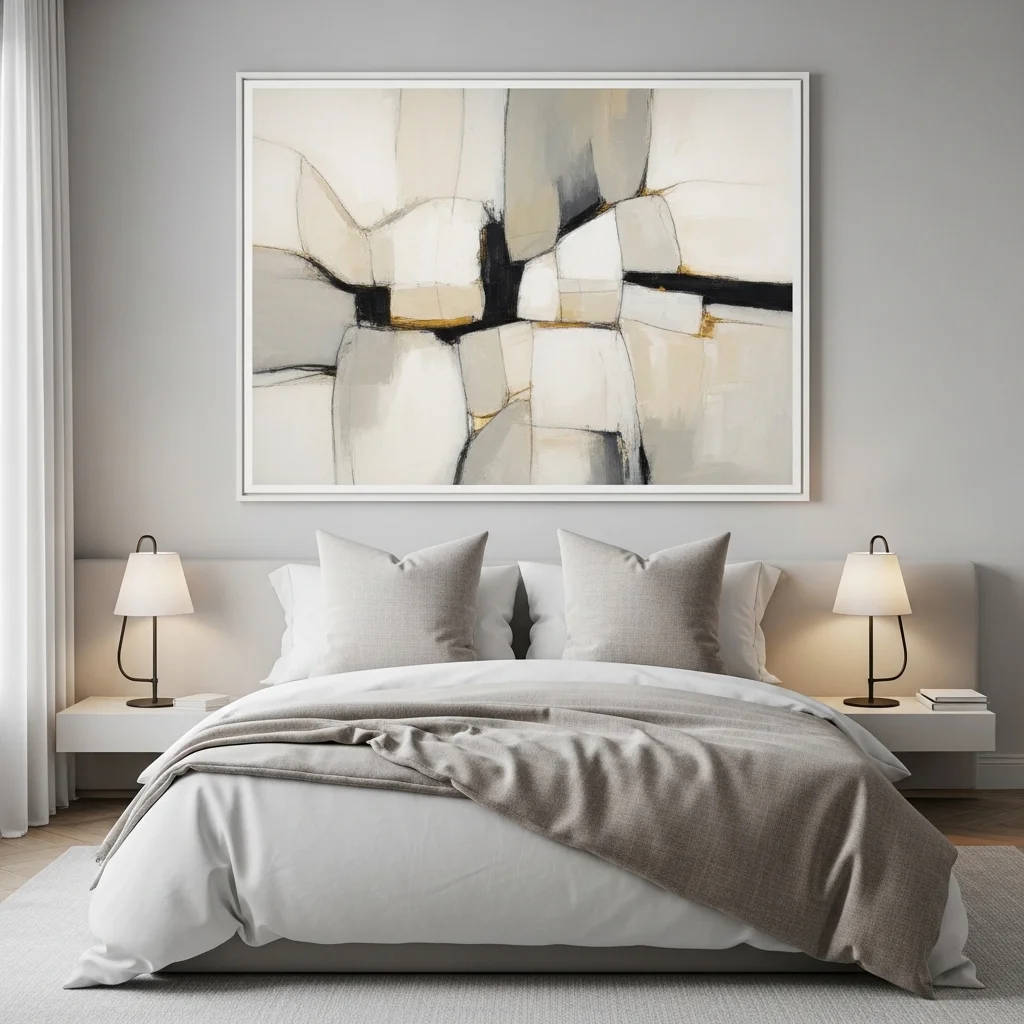
Large artwork positioned above the bed can completely transform a bedroom without a headboard. A single oversized painting or photograph becomes the visual centerpiece of the wall and frames the sleeping area.
Choosing artwork that complements the color scheme of the room ensures harmony within the design. Abstract art, landscape photography, or minimalist prints can add sophistication while keeping the overall look balanced and refined.
Gallery Wall Above the Bed
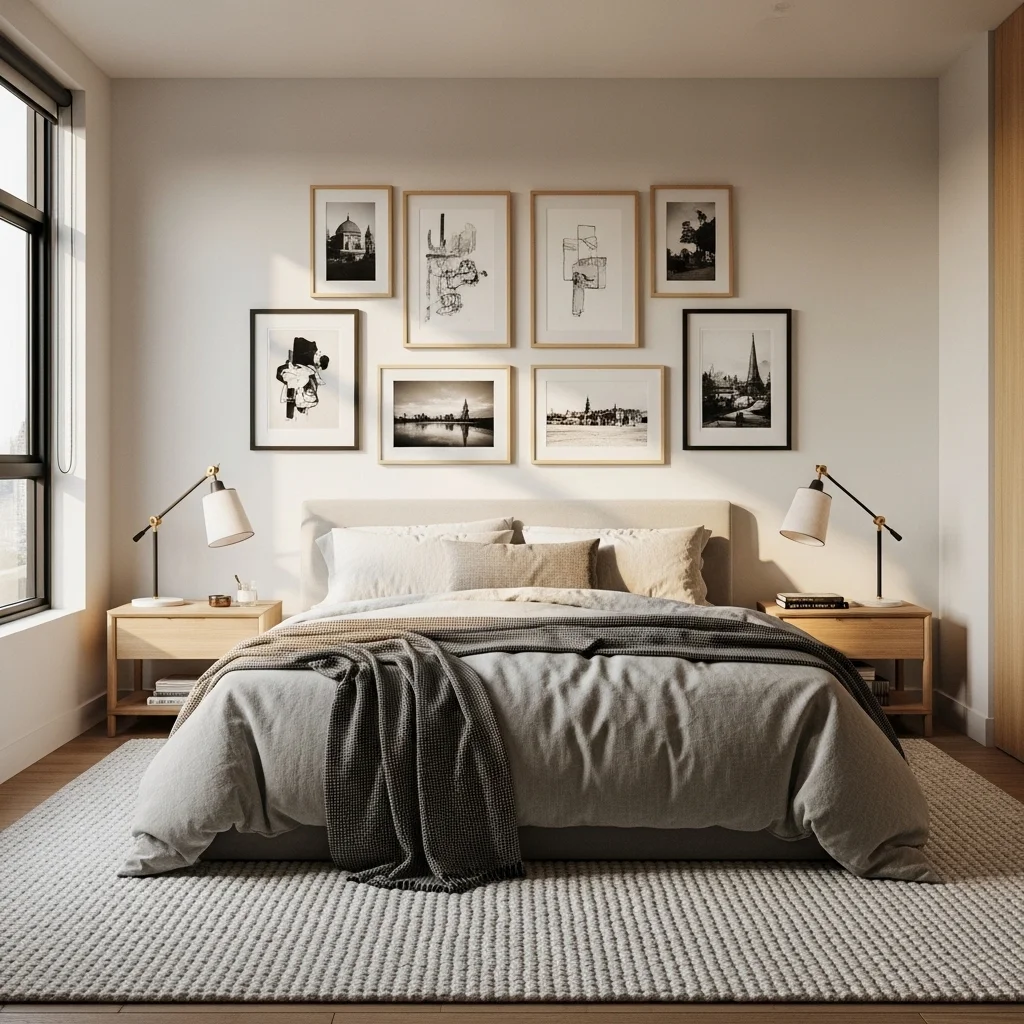
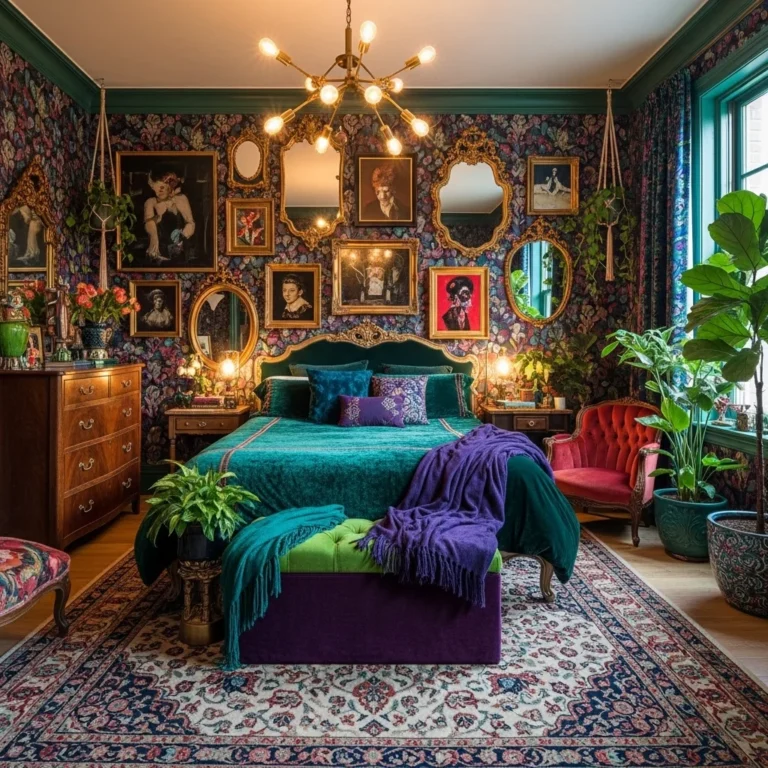
A gallery wall offers a creative and personal alternative to a headboard. Multiple framed artworks arranged above the bed allow homeowners to display photographs, illustrations, or meaningful prints.
Maintaining consistent spacing and alignment helps the gallery wall look organized rather than cluttered. When done thoughtfully, this arrangement adds personality and visual depth while turning the wall behind the bed into a storytelling feature.
Floating Shelves Behind the Bed
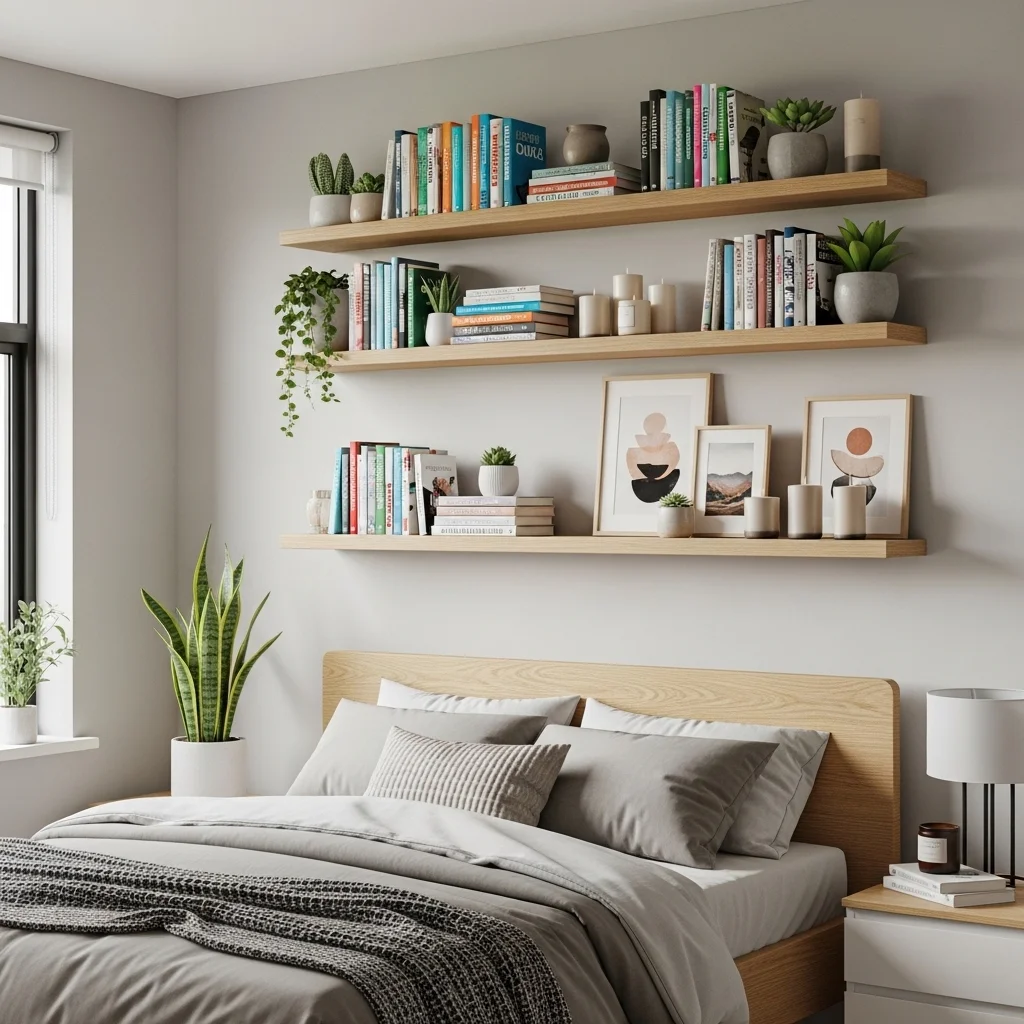
Floating shelves provide both decorative appeal and practical storage. Installed above the bed, they can hold books, small plants, framed photographs, or decorative objects.
This solution works particularly well in smaller bedrooms where additional storage space is helpful. The shelves create visual layers on the wall, replacing the structural presence that a headboard would normally provide.
Leaning Large Artwork Against the Wall
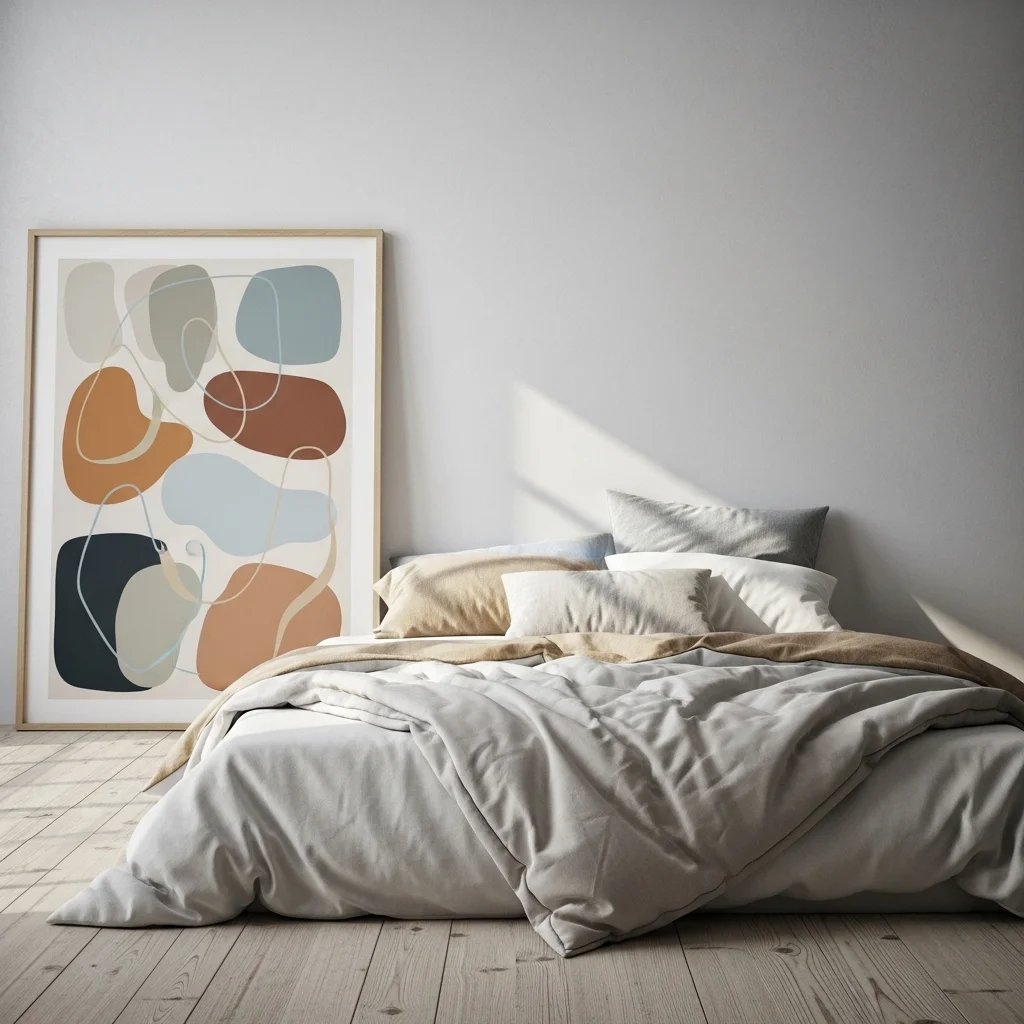
Leaning artwork behind the bed is a relaxed and contemporary styling technique. Instead of hanging a frame, it is simply placed against the wall to create an effortless design statement.
This approach works well in modern or loft inspired interiors where casual styling is appreciated. The layered look adds depth and artistic character while maintaining a simple bedroom layout.
Fabric Wall Backdrop
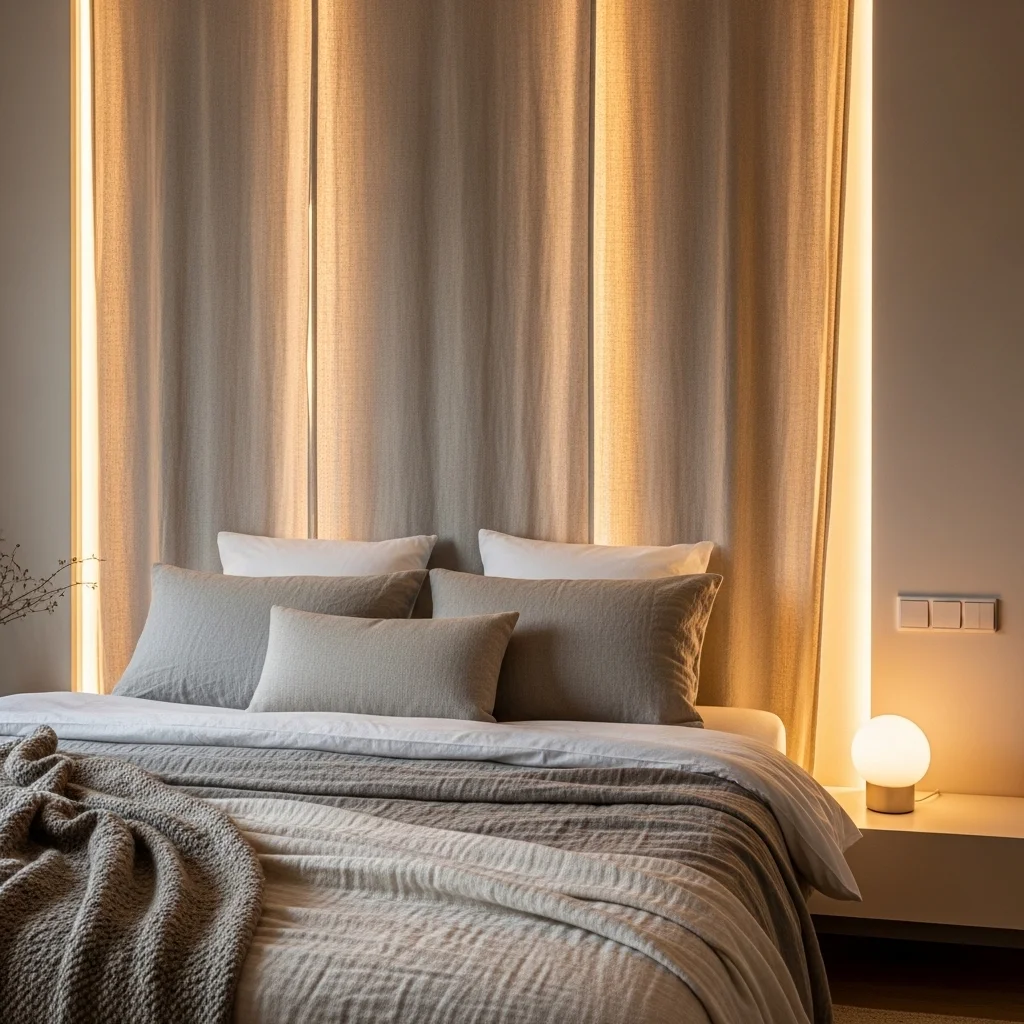
A fabric backdrop introduces softness and warmth to the bedroom. Hanging linen panels or textured cloth behind the bed creates a cozy atmosphere and gently frames the sleeping area.
Neutral fabrics are often the most versatile choice because they blend easily with bedding and other decorative elements. The fabric backdrop softens the appearance of the wall while adding comfort to the room.
Tapestry for a Bohemian Style
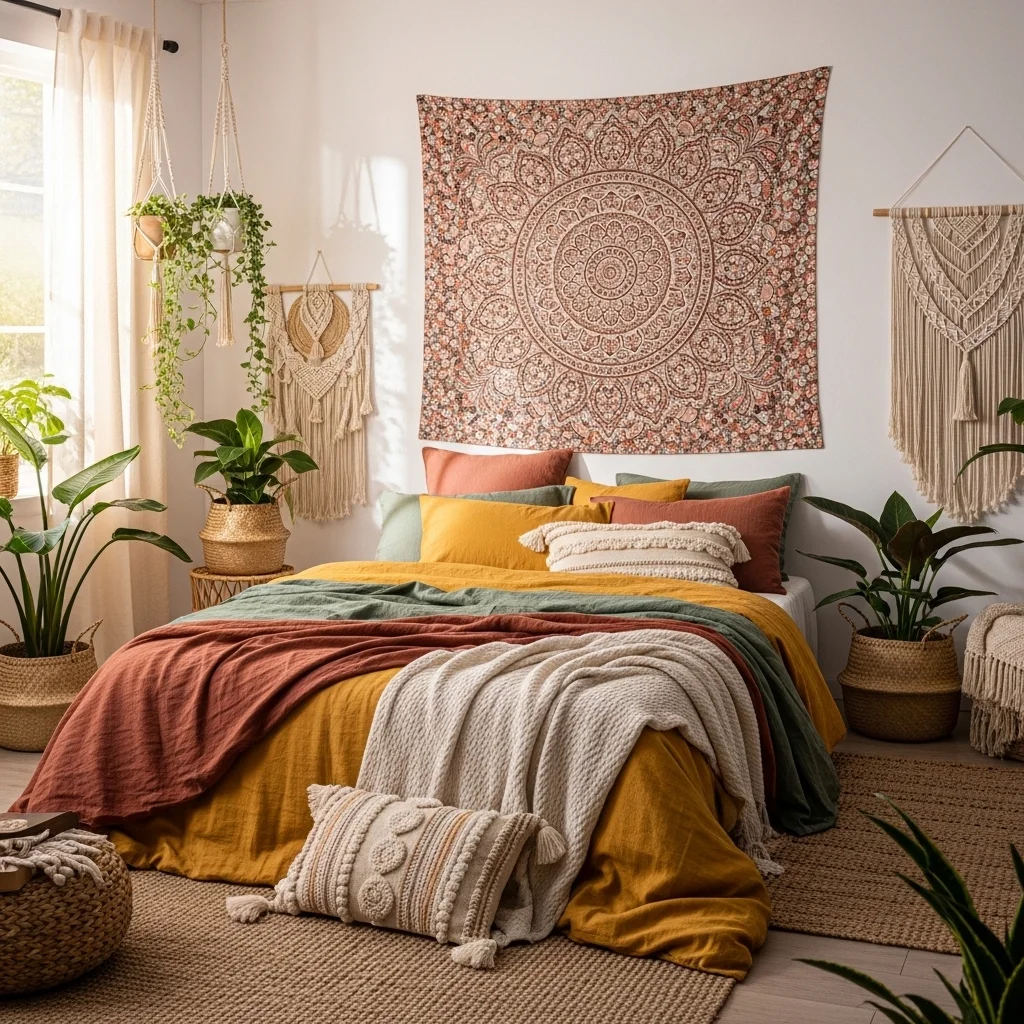
A tapestry can instantly bring color and texture to a bedroom without requiring permanent wall changes. Large decorative textiles placed behind the bed serve as both artwork and a headboard alternative.
This style is especially popular in bohemian interiors where layered textiles and artistic patterns create a relaxed environment. The tapestry adds visual warmth and cultural character to the space.
Decorative Wall Paneling
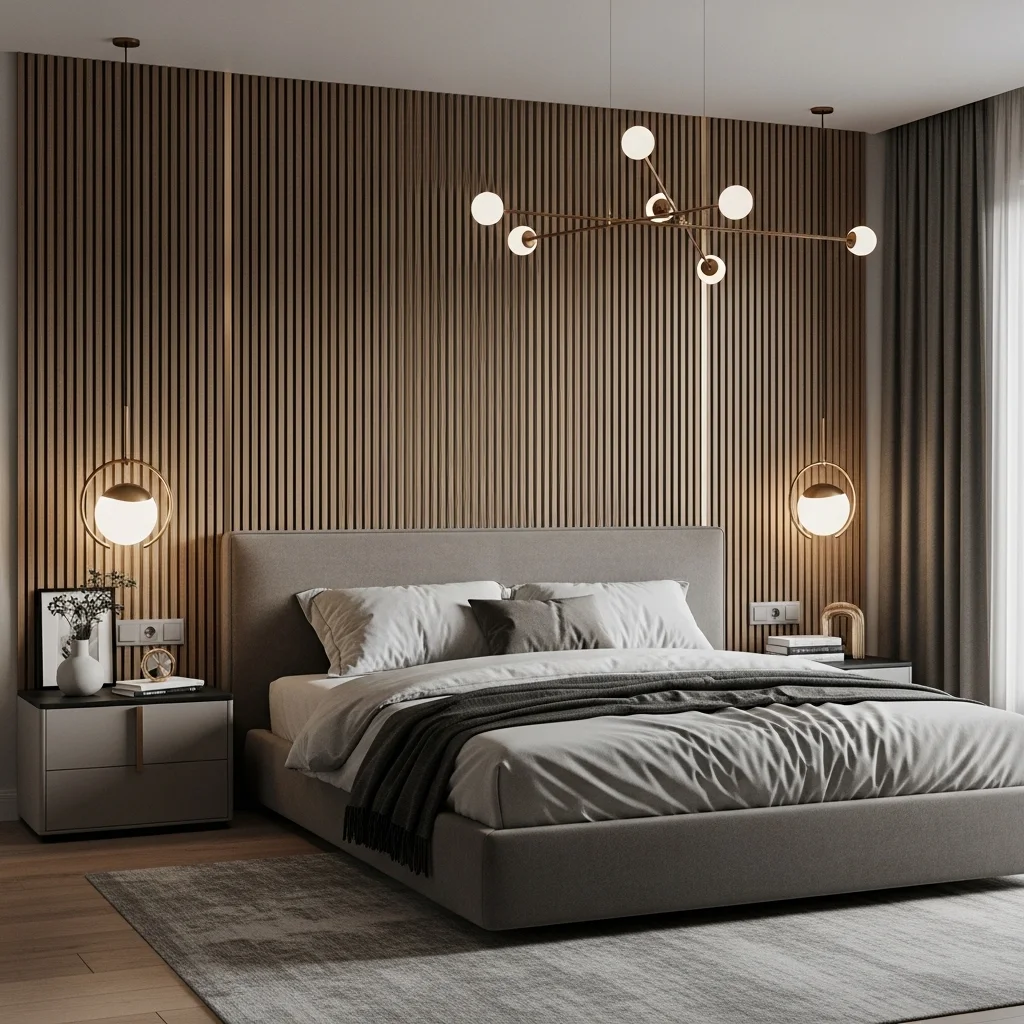
Wall paneling introduces architectural detail that elevates the design of the bedroom. Vertical wooden panels or classic wall molding patterns can create depth and structure behind the bed.
Paneling acts as a built in design feature that visually frames the sleeping area. It adds sophistication and texture, making the room feel thoughtfully designed without relying on traditional furniture.
Half Painted Wall Design
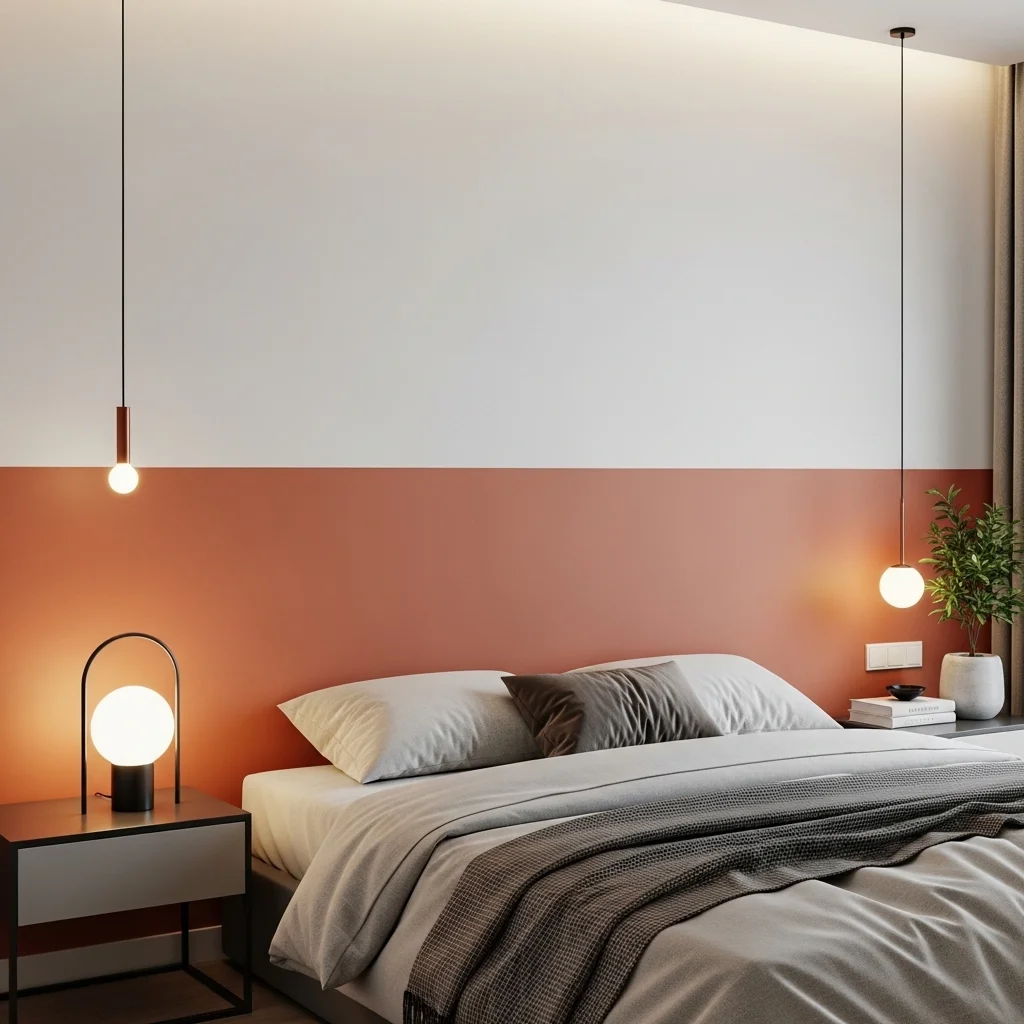
A half painted wall creates the illusion of a headboard through color blocking. The lower portion of the wall is painted in a bold shade while the upper section remains neutral.
This design grounds the bed visually and adds interest to the room without overwhelming the space. It is a simple technique that works well in both modern and classic interiors.
Wall Mounted Lighting
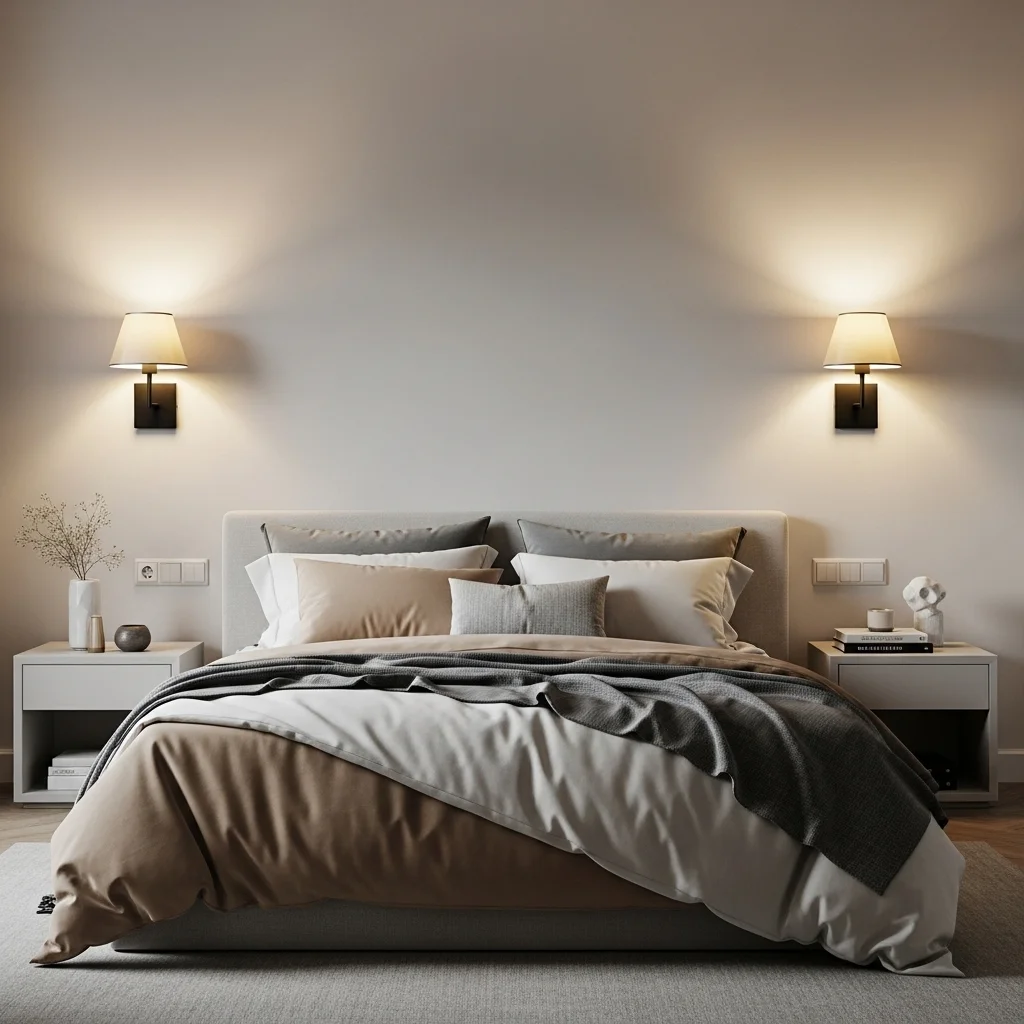
Wall mounted lighting fixtures placed on each side of the bed create symmetry and function. These lights frame the sleeping area while providing practical illumination for reading or relaxing.
Using wall lights instead of table lamps can also free up space on bedside tables. The lighting becomes both a decorative and functional feature that enhances the bedroom design.
Painted Arch Behind the Bed
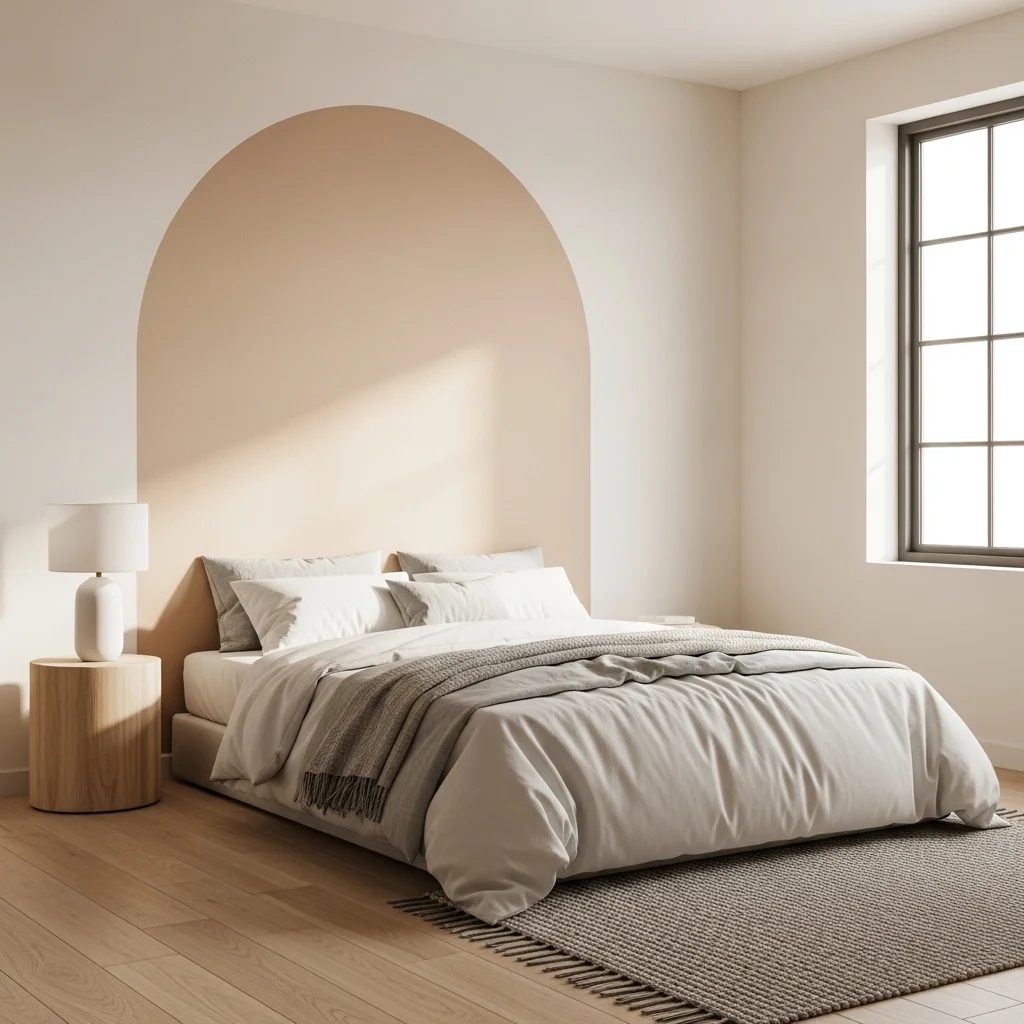
A painted arch behind the bed has become a popular design trend in recent years. The curved shape frames the sleeping area and creates a soft architectural element on the wall.
Soft earthy tones or pastel shades can make the arch feel subtle and elegant. This artistic approach adds depth and personality without requiring major renovations.
Vertical Wood Slat Feature Wall
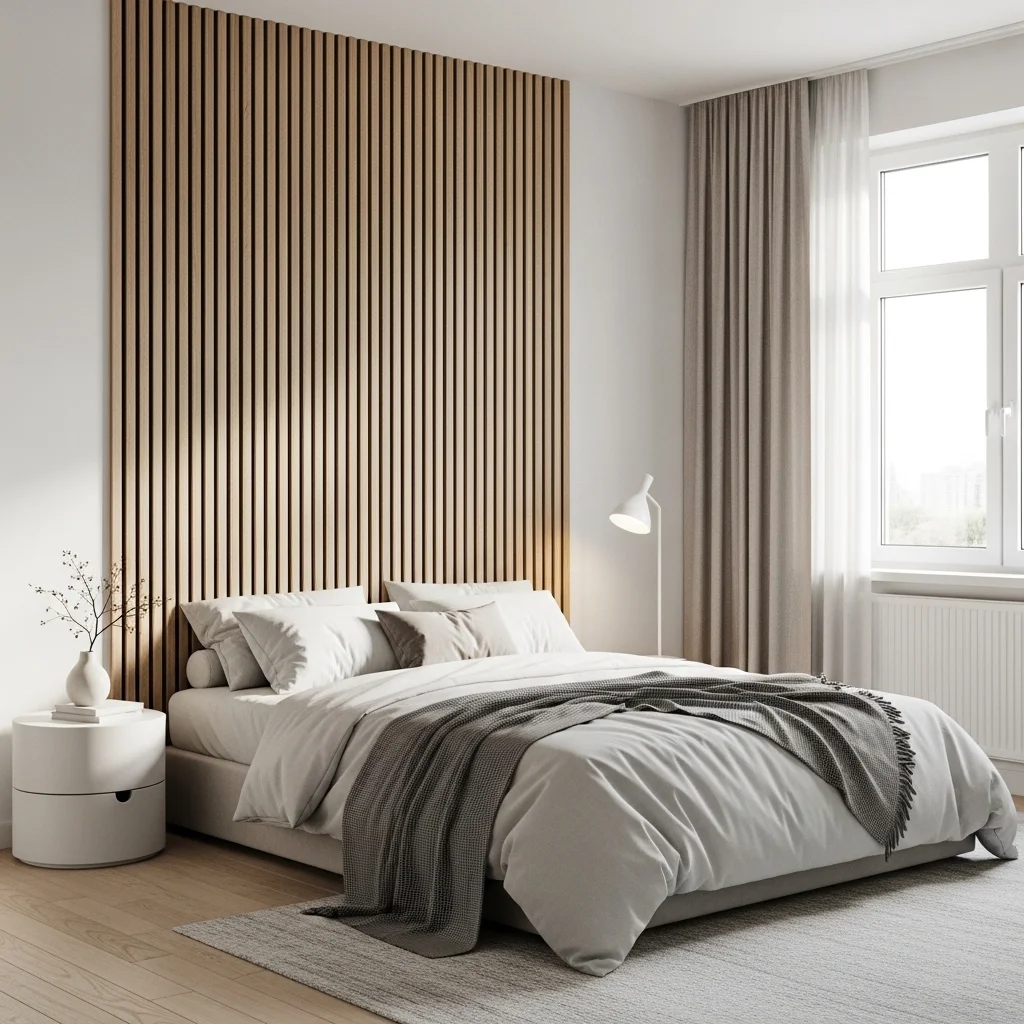
Vertical wood slats can transform the wall behind the bed into a modern architectural feature. The natural wood texture adds warmth and dimension while maintaining a clean and contemporary look.
This design is especially common in Scandinavian and Japandi interiors where natural materials and simplicity are central to the aesthetic.
Curtains Behind the Bed
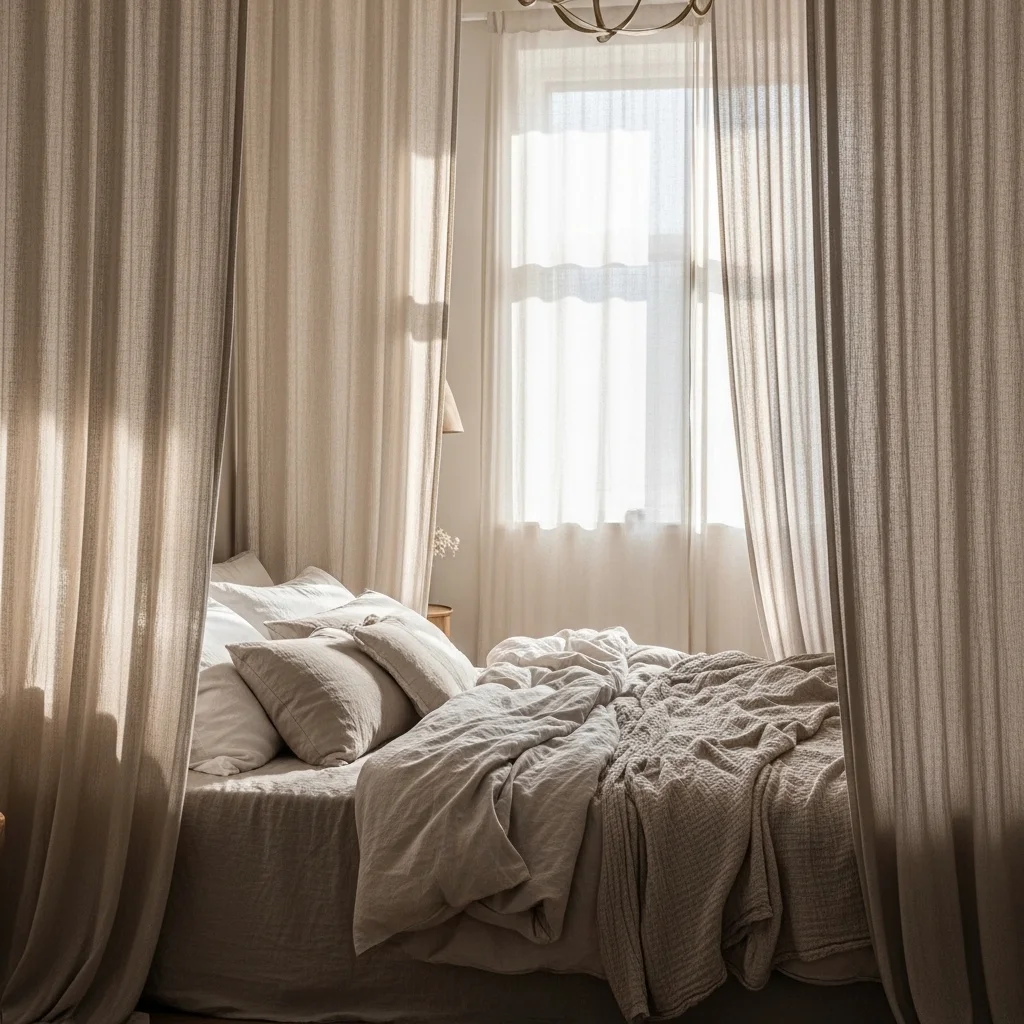
Curtains hung behind the bed can create the appearance of a soft backdrop or canopy effect. Light linen curtains add elegance and texture while gently framing the bed.
This design works particularly well in smaller bedrooms where fabric elements can soften the room and make it feel more inviting.
Console Table Behind the Bed
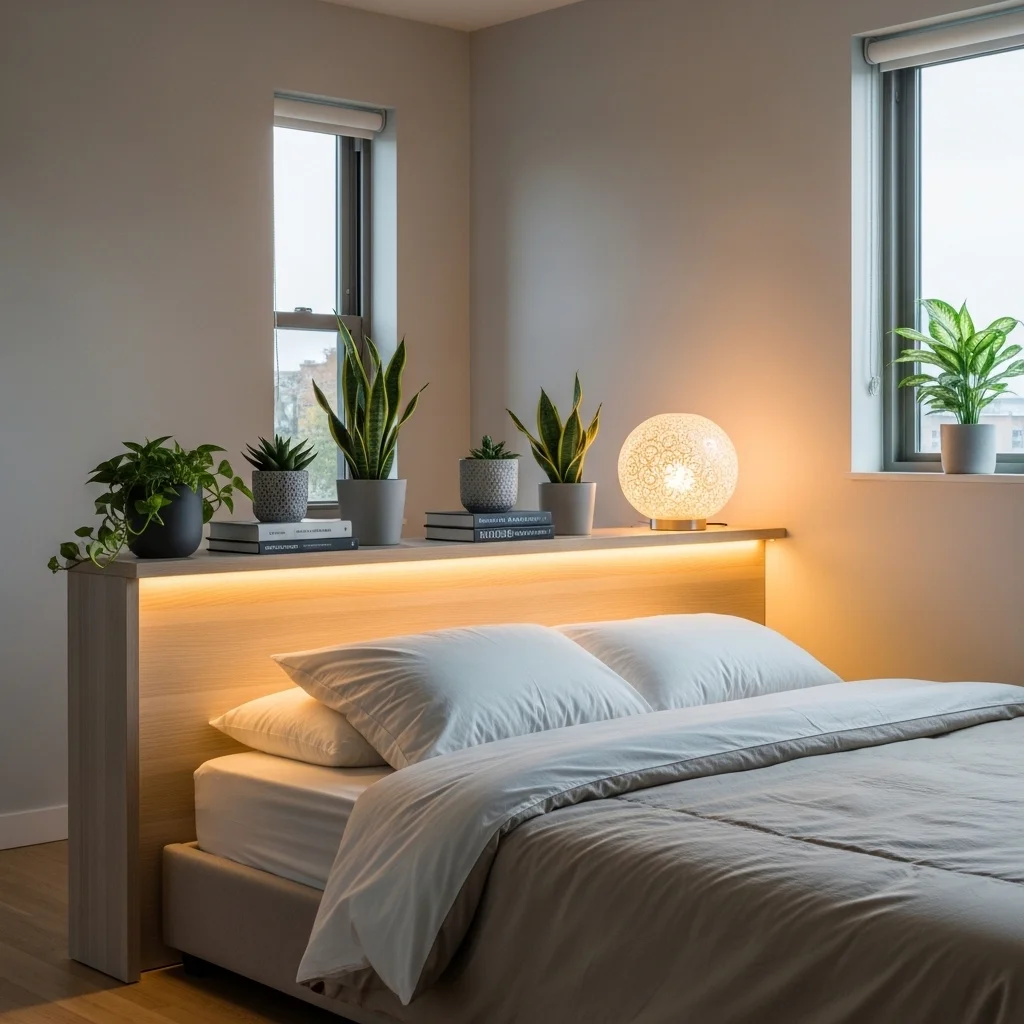
Placing a narrow console table directly behind the bed can serve as a functional headboard alternative. The table provides a surface for lamps, books, or decorative objects.
This arrangement is especially useful in studio apartments where furniture must serve multiple purposes. It adds depth to the room while maintaining practicality.
Decorative Wall Molding
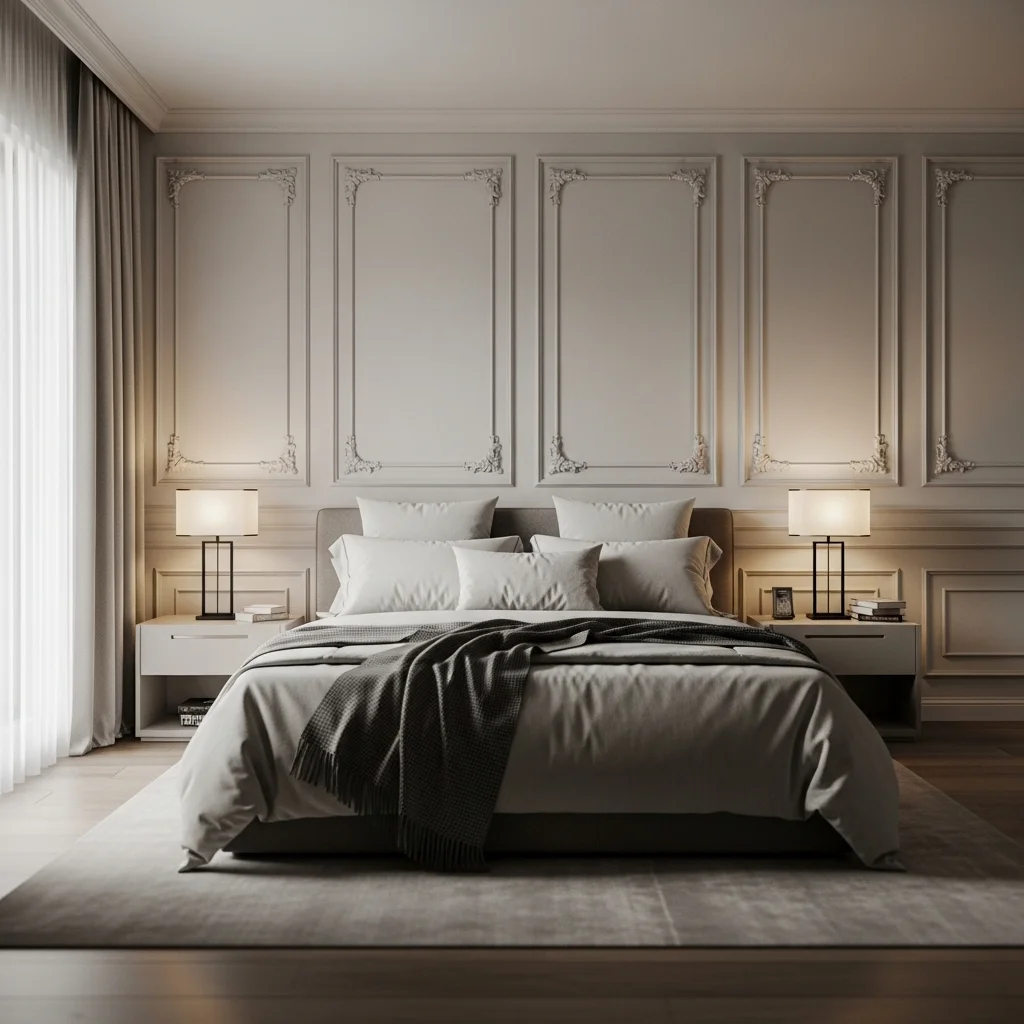
Wall molding adds subtle elegance and structure to the wall behind the bed. Carefully arranged molding patterns create visual symmetry and sophistication.
This approach works beautifully in classic or transitional interiors where architectural details play an important role in the overall design.
Woven Wall Art
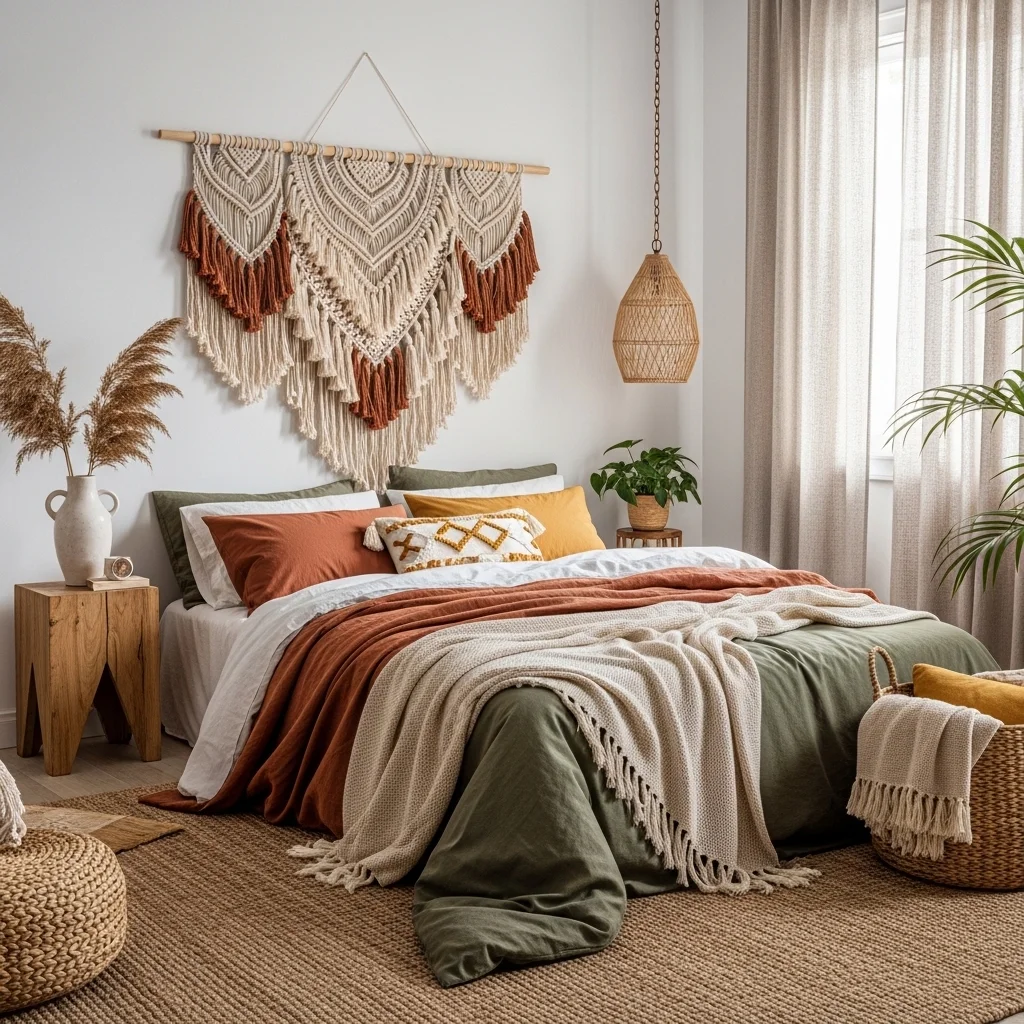
Woven wall art made from natural fibers introduces texture and warmth. Handmade pieces such as macrame or fiber art can become the focal point behind the bed.
These pieces work particularly well in bohemian or natural inspired interiors where organic materials and craftsmanship are celebrated.
Brick or Stone Feature Wall
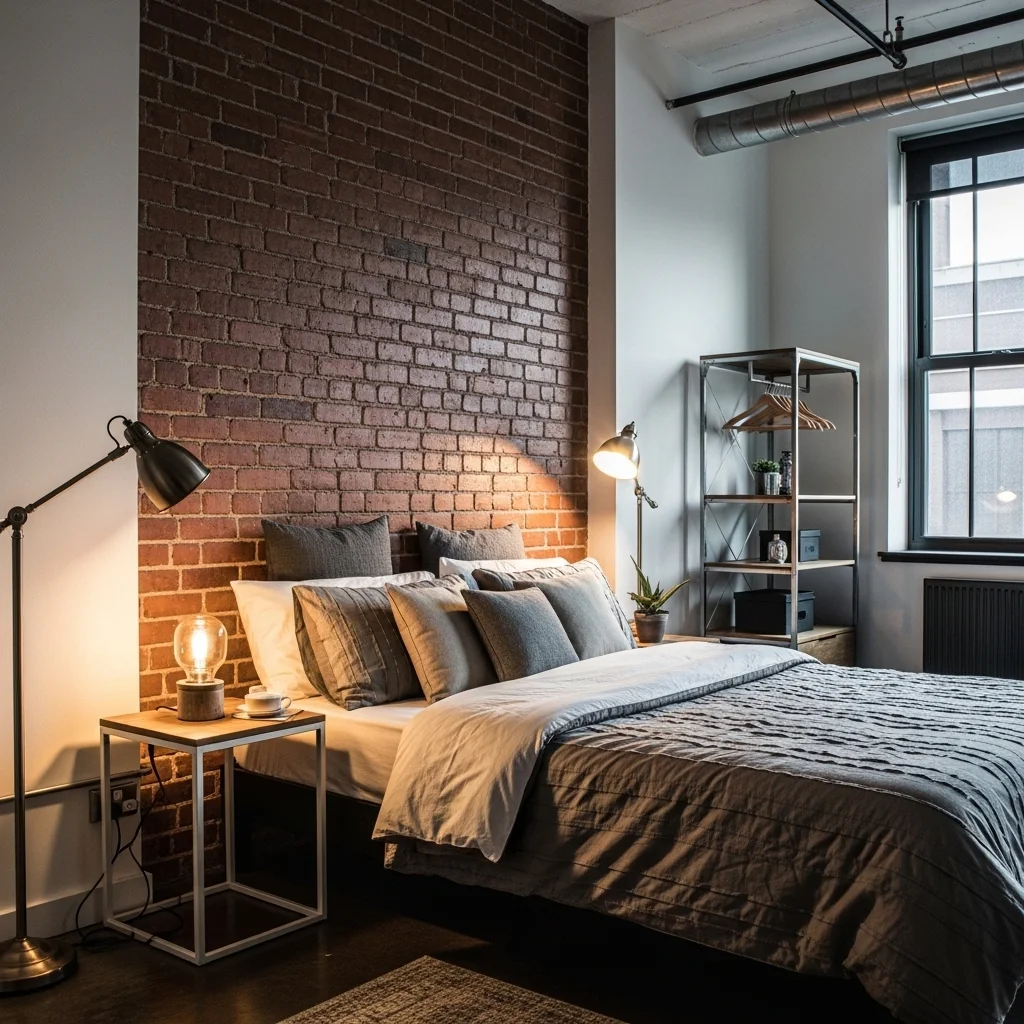
A brick or stone wall instantly adds character to a bedroom. The natural texture creates a striking backdrop that makes the bed stand out even without a headboard.
This design works particularly well in industrial or rustic interiors where raw materials contribute to the overall aesthetic.
Wallpaper Behind the Bed
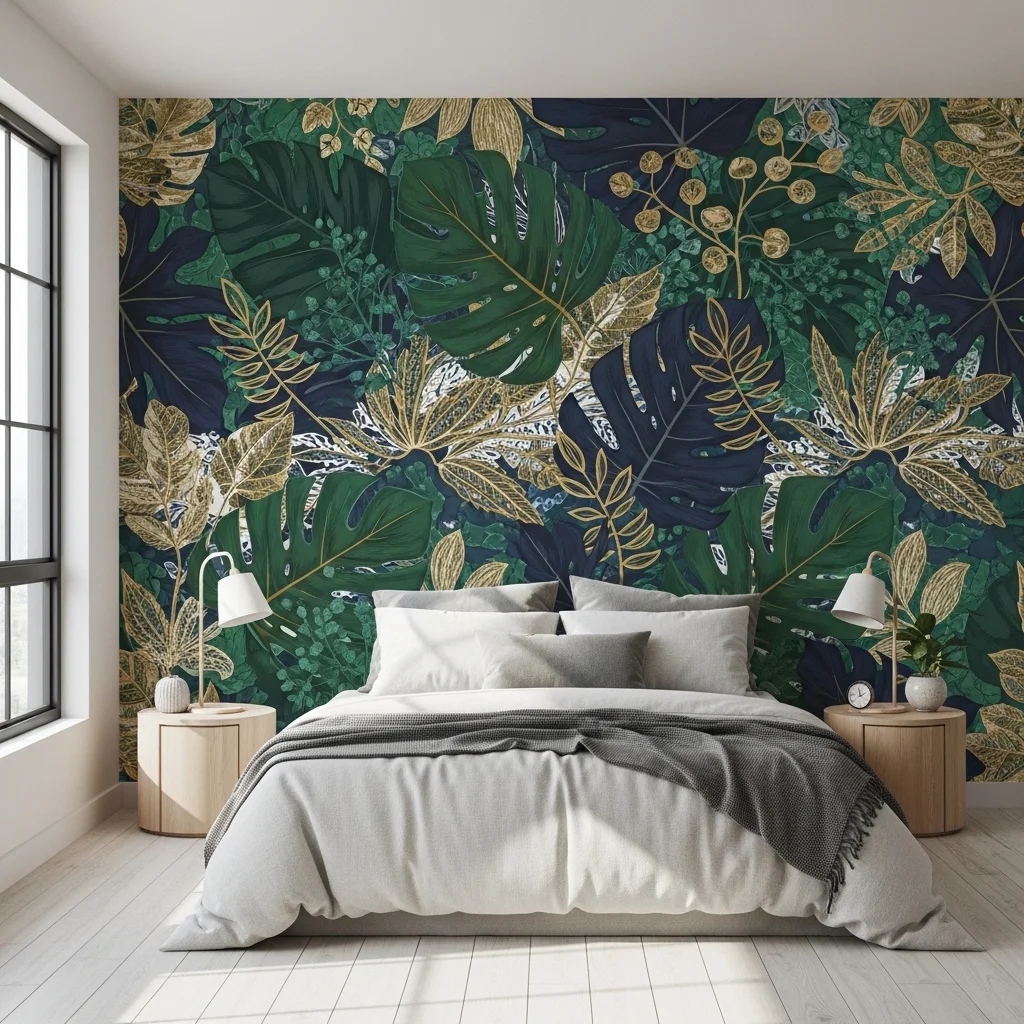
Wallpaper can dramatically transform the space behind the bed. Whether it features botanical prints, geometric patterns, or textured finishes, wallpaper adds personality to the room.
Using wallpaper on a single wall keeps the design balanced while ensuring the bed remains the central element of the space.
Layered Decorative Pillows
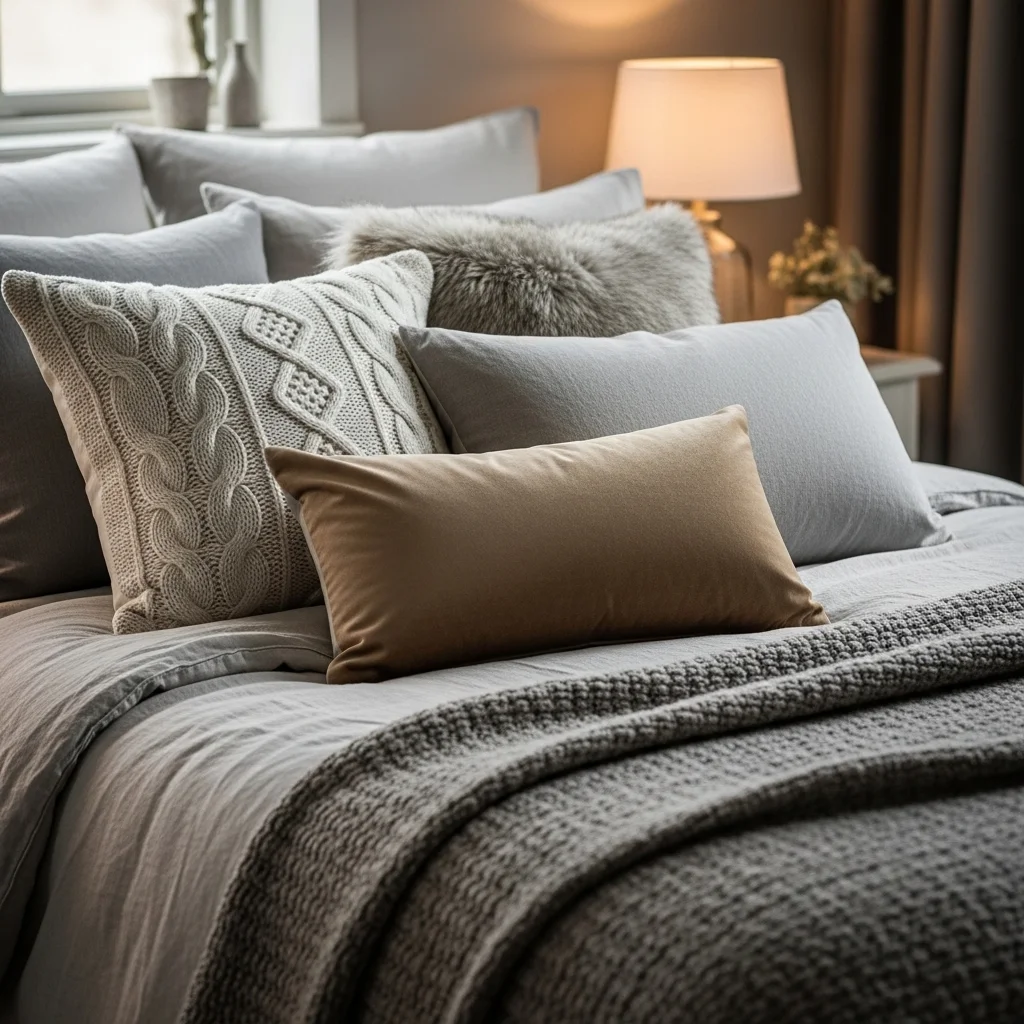
Without a headboard, decorative pillows become an important styling feature. Layering pillows in different sizes and textures can create a comfortable and visually appealing arrangement.
Mixing materials such as linen, cotton, and velvet adds richness to the bed while helping the sleeping area feel complete.
Indoor Plants Behind the Bed
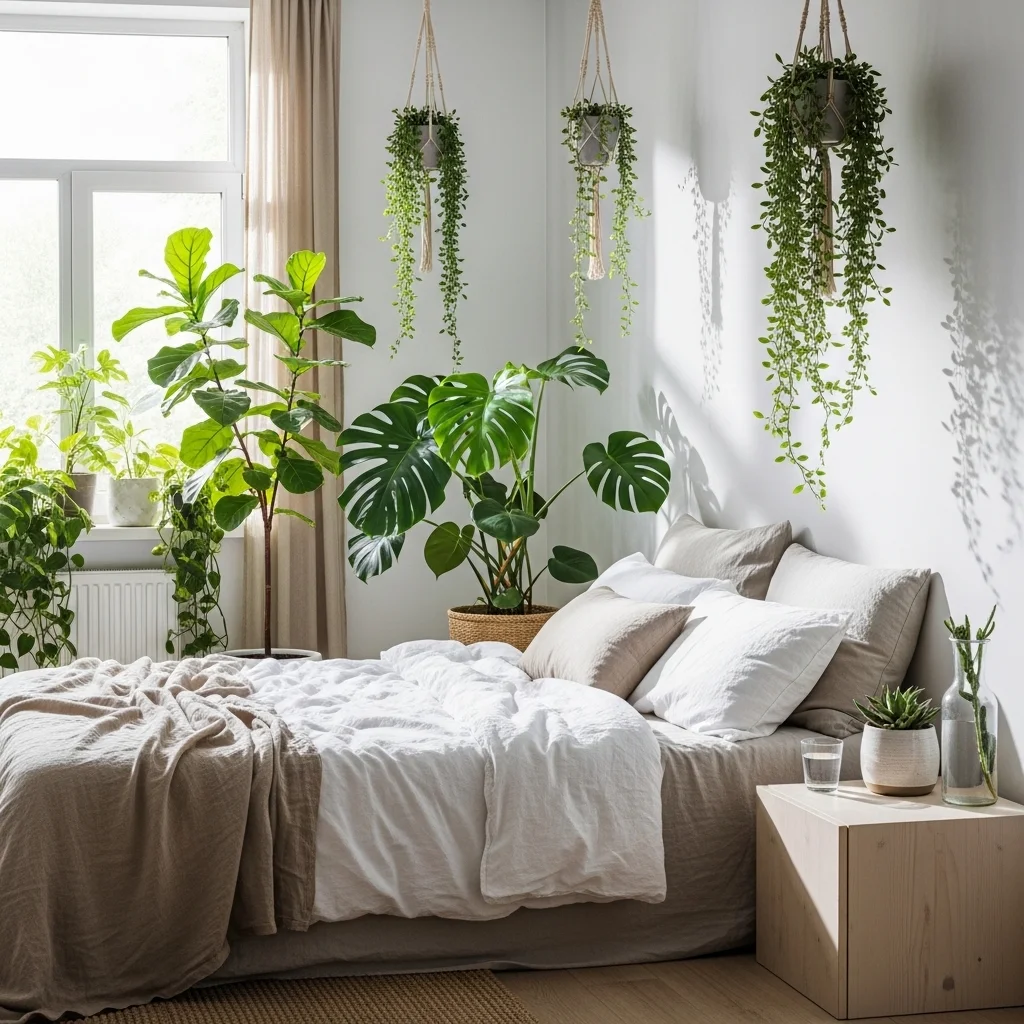
Plants introduce freshness and natural beauty to the bedroom. Tall plants placed near the bed or hanging greenery behind it can soften the wall and create a relaxing atmosphere.
Greenery works particularly well in modern organic interiors where nature inspired elements enhance the overall design.
Low Platform Bed
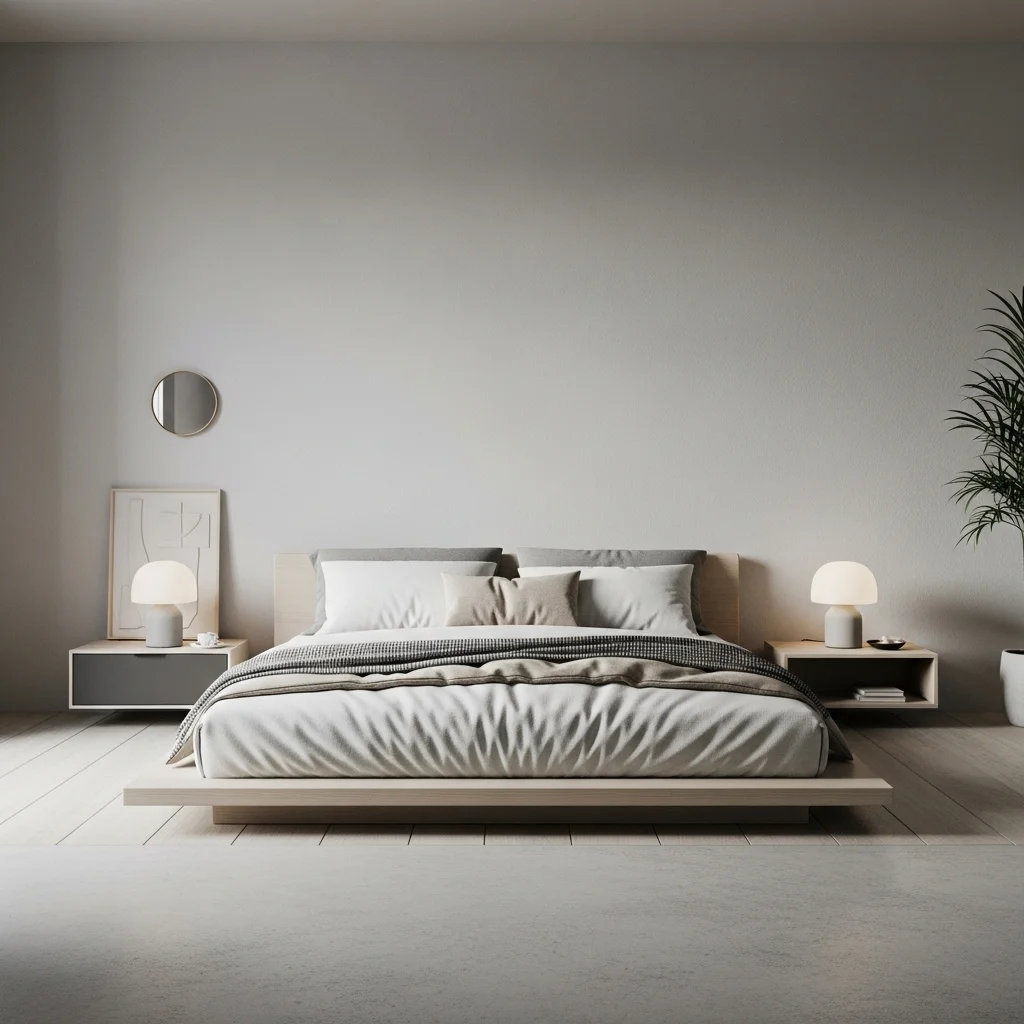
A low platform bed naturally suits bedrooms without headboards. Its simple and grounded design creates a clean modern aesthetic.
Because the bed sits closer to the floor, the wall behind it becomes more visible, allowing decorative elements to take center stage.
Soft Ambient Lighting Around the Bed
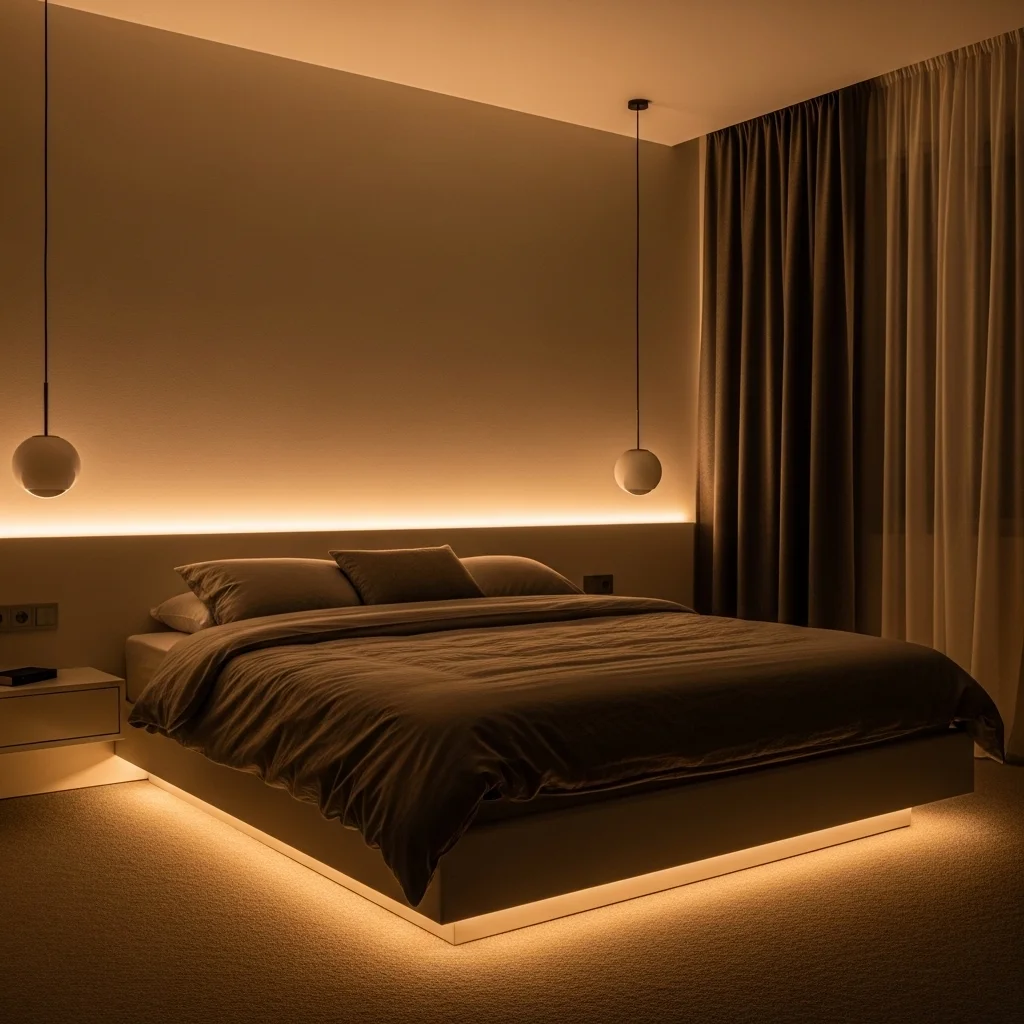
Soft ambient lighting can transform the entire bedroom atmosphere. String lights, hidden LED strips, or warm wall lights can highlight the bed area.
Lighting adds depth and warmth while subtly guiding attention toward the sleeping space, ensuring it remains the focal point of the room.
Large Mirror Behind the Bed
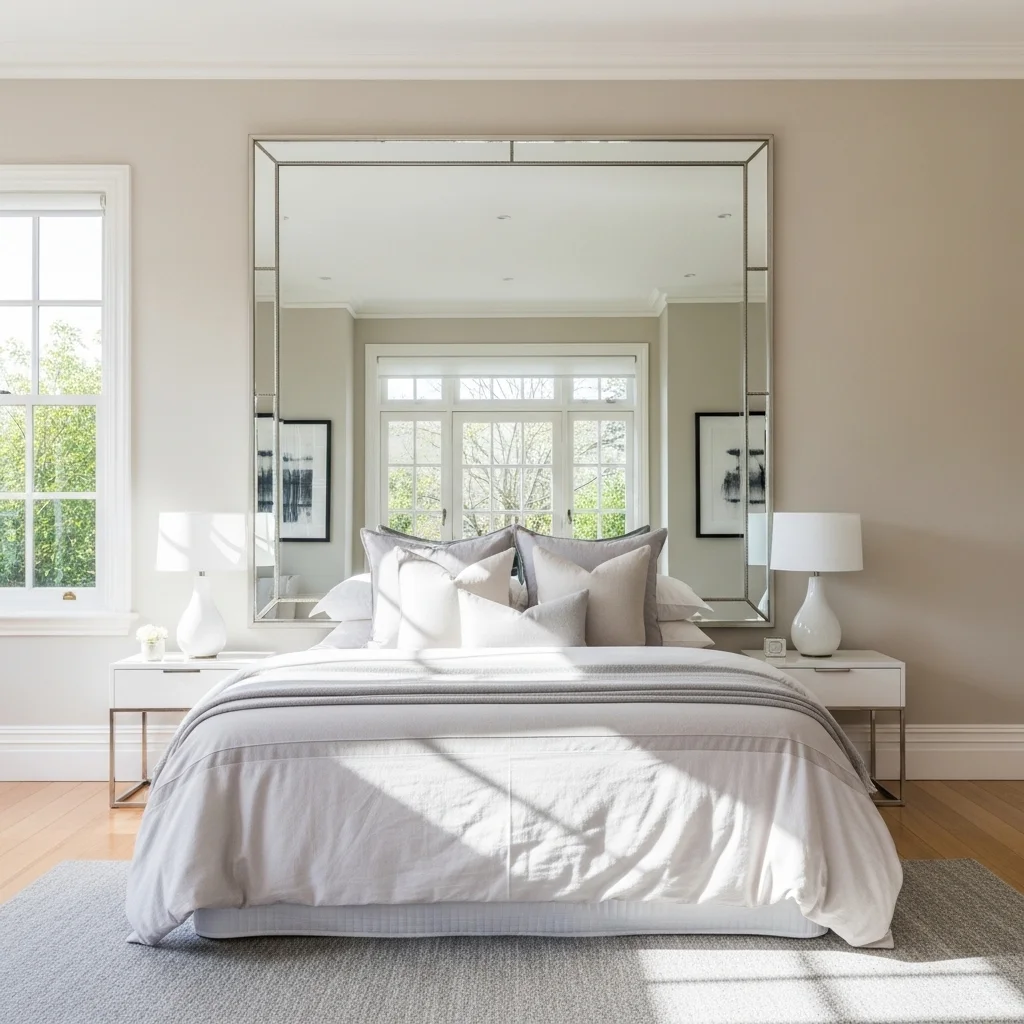
A large mirror placed behind the bed can make the room appear larger and brighter. The reflective surface enhances natural light and adds a sense of openness.
Mirrors also introduce a sophisticated decorative element that replaces the need for a traditional headboard while maintaining visual balance.
Conclusion
A bed without a headboard opens the door to endless creative possibilities in bedroom design. Instead of relying on a single furniture piece, homeowners can experiment with color, texture, artwork, lighting, and architectural details to create a unique focal point.
With thoughtful styling, the wall behind the bed can become one of the most interesting features in the entire room. Whether the goal is minimalism, warmth, creativity, or modern elegance, these ideas show that a bedroom can look complete, stylish, and inviting even without a traditional headboard.
Frequently Asked Questions
Is it okay to have a bed without a headboard ?
Yes, a bed without a headboard can look stylish and modern. Many interior designers intentionally avoid headboards to create a cleaner and more flexible bedroom design. With the right wall decor, lighting, or artwork, the space can look complete and visually balanced.
How can I make a bed look good without a headboard ?
You can decorate the wall behind the bed with artwork, wallpaper, paint, shelves, or wall panels. Adding layered pillows, soft lighting, or a textured backdrop can also help create a strong focal point and make the bed feel finished.
What can I put behind my bed instead of a headboard ?
There are many alternatives such as a gallery wall, large artwork, floating shelves, decorative wall molding, tapestry, wallpaper, or wooden slats. These options add style and personality while replacing the visual structure of a traditional headboard.
Are beds without headboards good for small bedrooms ?
Yes, they work very well in small bedrooms because they reduce visual clutter and free up space. Without a bulky headboard, the room can feel more open, and the wall behind the bed can be used creatively for decoration.
Which bed styles work best without a headboard ?
Platform beds, low profile bed frames, and minimalist bed designs work especially well without headboards. Their simple structure blends easily with different wall treatments and decorative elements, creating a modern and balanced bedroom design.