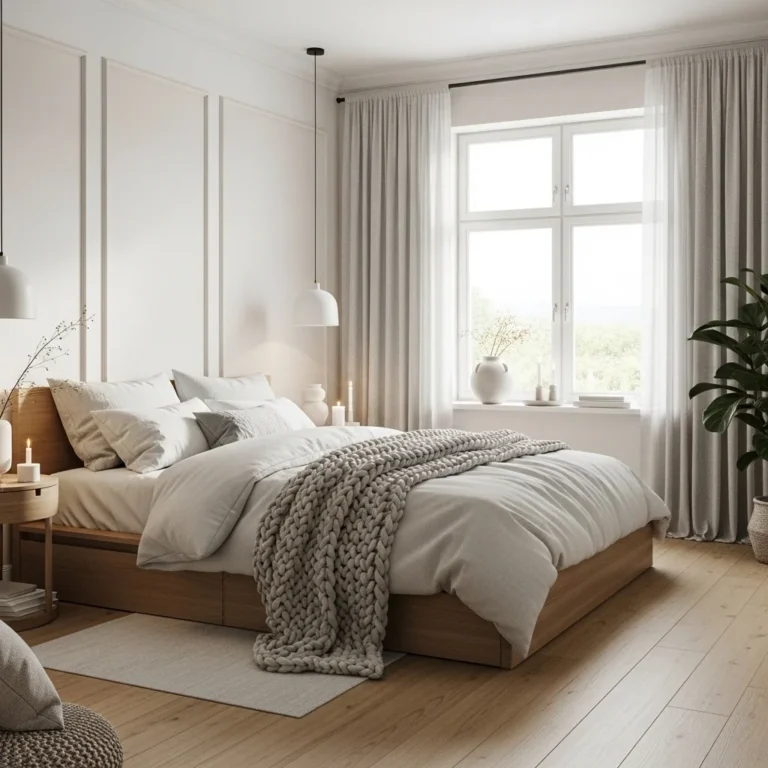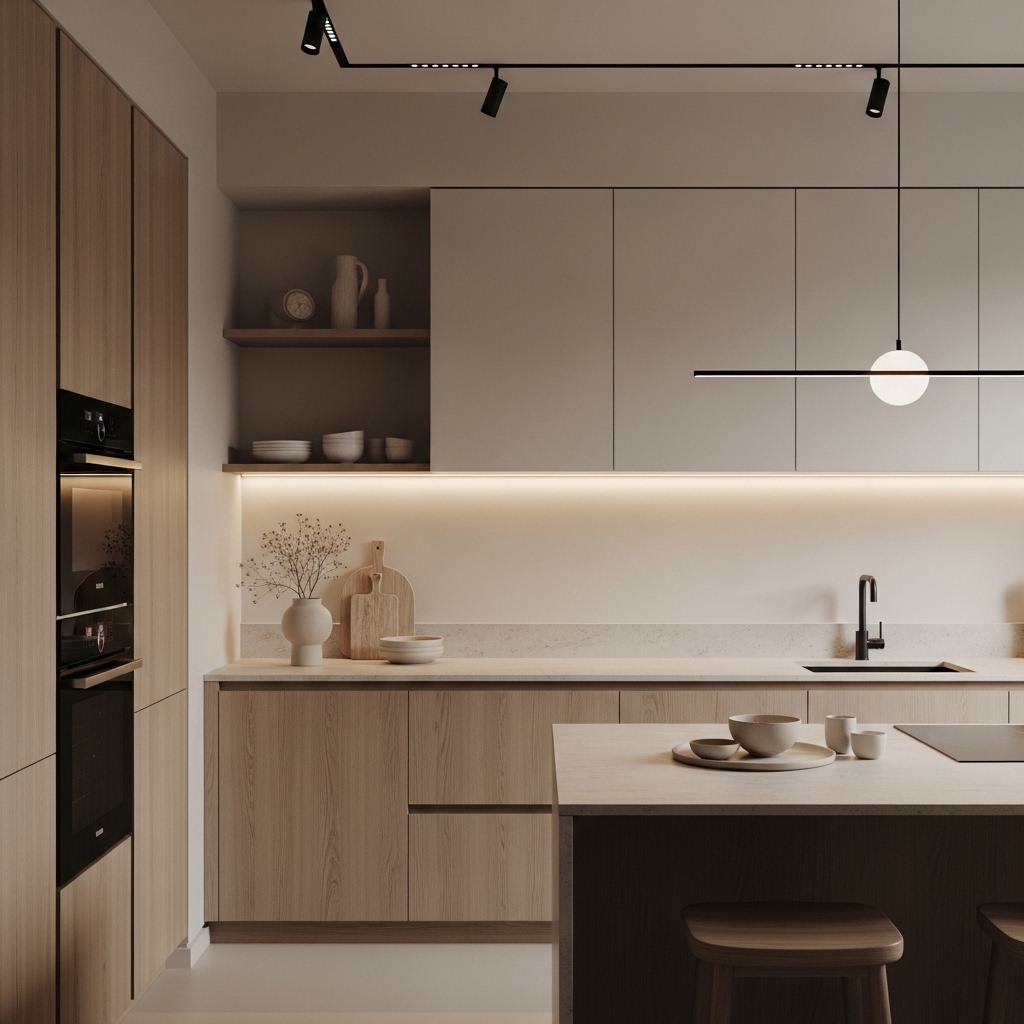
The Japandi kitchen style has become one of the most sought-after interior design trends for those who value simplicity without sacrificing warmth. By merging the calming minimalism of Japanese design with the cozy functionality of Scandinavian interiors, Japandi kitchens create spaces that feel both serene and inviting. This design approach focuses on clean lines, natural materials, and a thoughtful balance between beauty and practicality.
In today’s fast-paced world, homeowners are increasingly drawn to kitchens that offer a sense of calm and order. Japandi kitchens achieve this through clutter-free layouts, muted color palettes, and intentional decor choices. Whether you are renovating your kitchen or simply looking for inspiration, these Japandi kitchen ideas will help you create a space that embodies warm minimalism while remaining highly functional.
Embrace a Neutral Color Palette
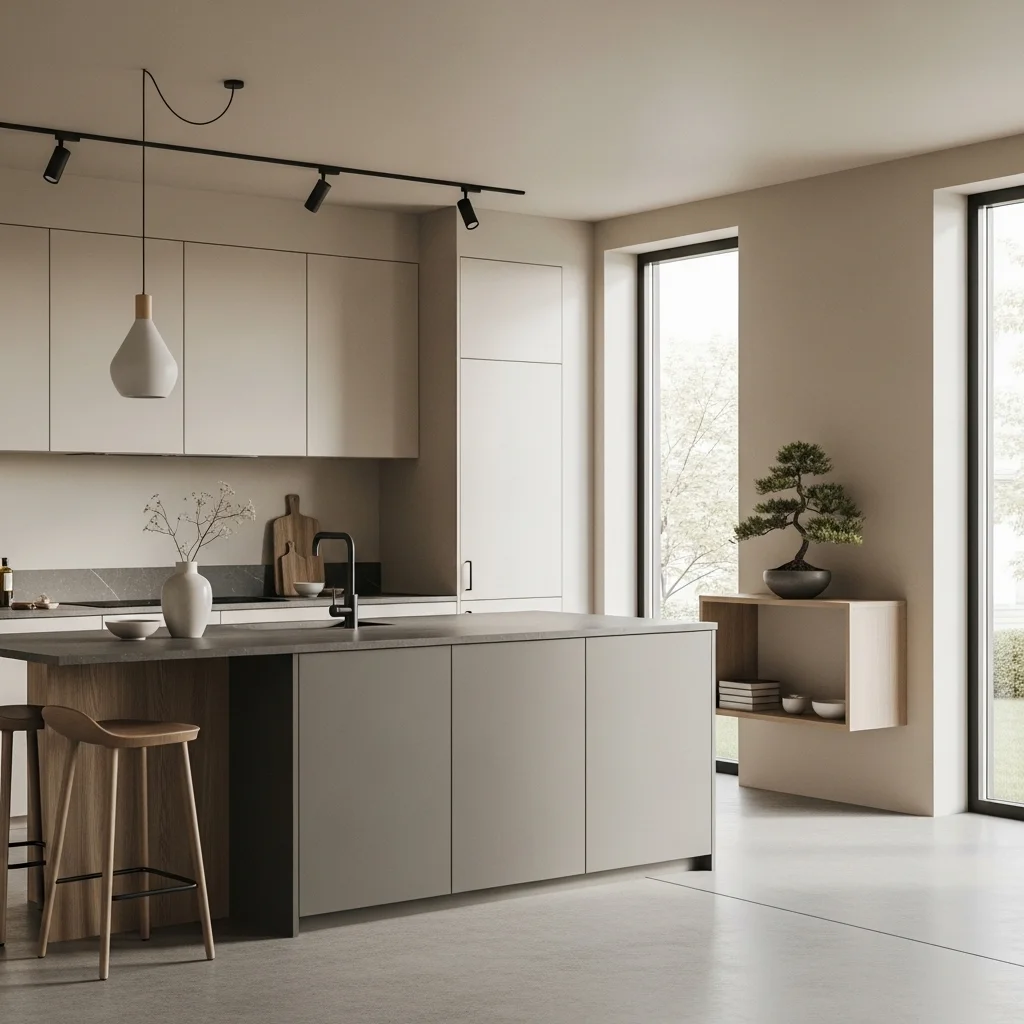
A neutral color palette forms the foundation of any Japandi kitchen. Shades like soft beige, warm white, muted gray, and earthy taupe create a calming backdrop that reflects natural light and enhances the sense of openness. These tones allow the design to feel timeless while also providing flexibility for subtle decorative accents.
Choosing neutral colors also helps maintain visual harmony throughout the space. Instead of overwhelming the eye with bold hues, the focus remains on texture and form. This approach ensures that your kitchen feels both spacious and tranquil, which is essential for achieving the Japandi aesthetic.
Incorporate Natural Wood Cabinetry
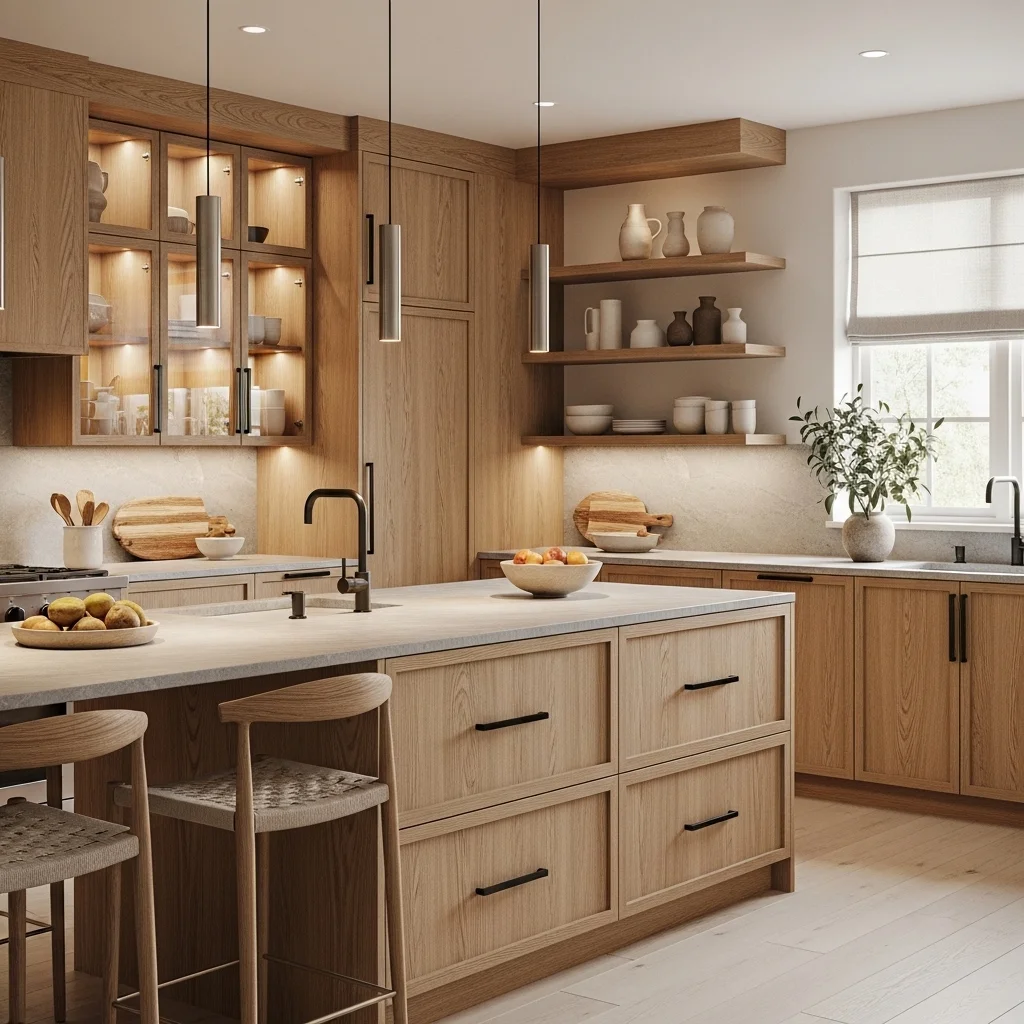
Natural wood cabinetry is a defining feature of Japandi kitchens. Light oak, ash, and walnut finishes bring warmth and texture into the space while maintaining a clean and understated appearance. The grain patterns of the wood add visual interest without disrupting the minimalist look.
Opting for flat-panel cabinets enhances the simplicity of the design. Avoid ornate details and instead focus on craftsmanship and quality materials. This not only improves durability but also reinforces the connection to nature that is central to Japandi style.
Focus on Minimalist Design
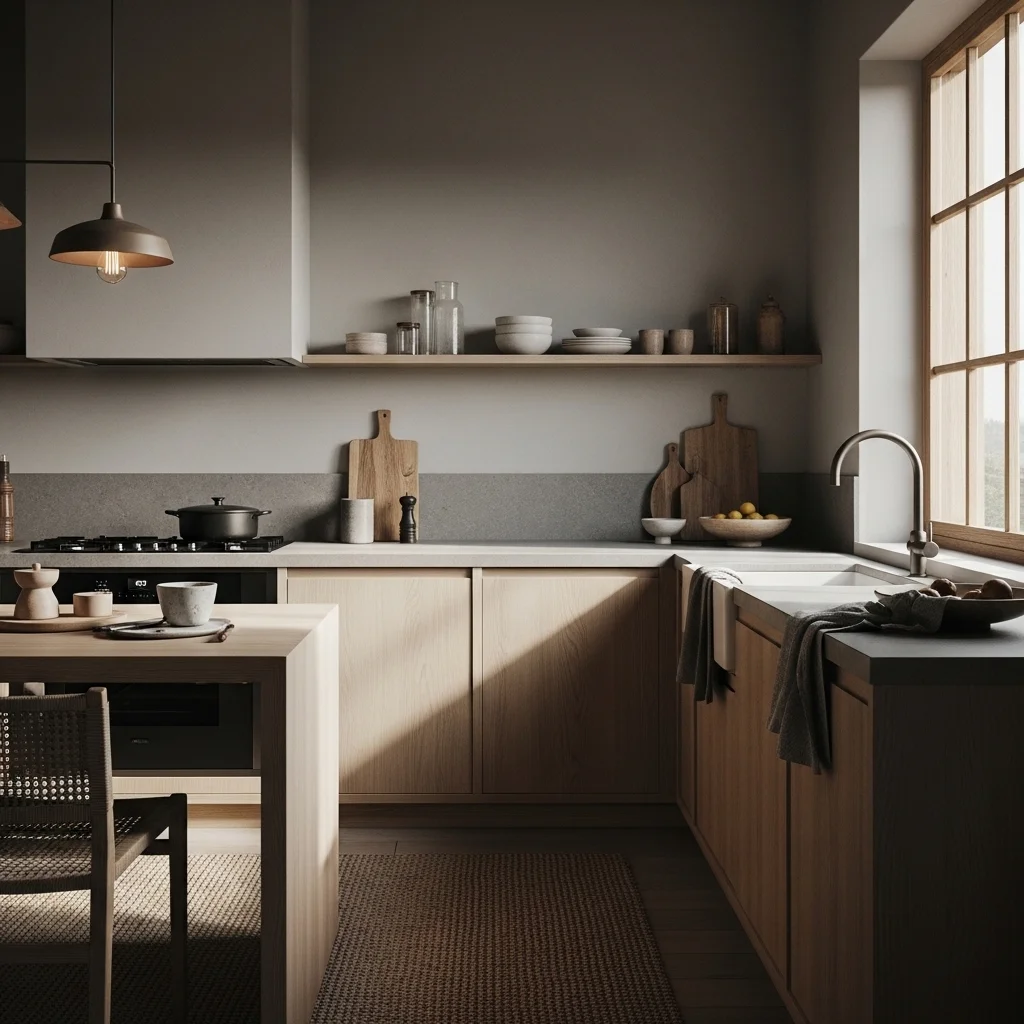
Minimalism is at the core of Japandi kitchens. Every element should serve a purpose, and unnecessary clutter should be eliminated. This creates a clean and organized environment that promotes efficiency and calmness.
By reducing visual noise, you allow key design features to stand out. Thoughtfully chosen materials, subtle textures, and precise layouts become more noticeable, contributing to a refined and balanced space.
Use Open Shelving Sparingly
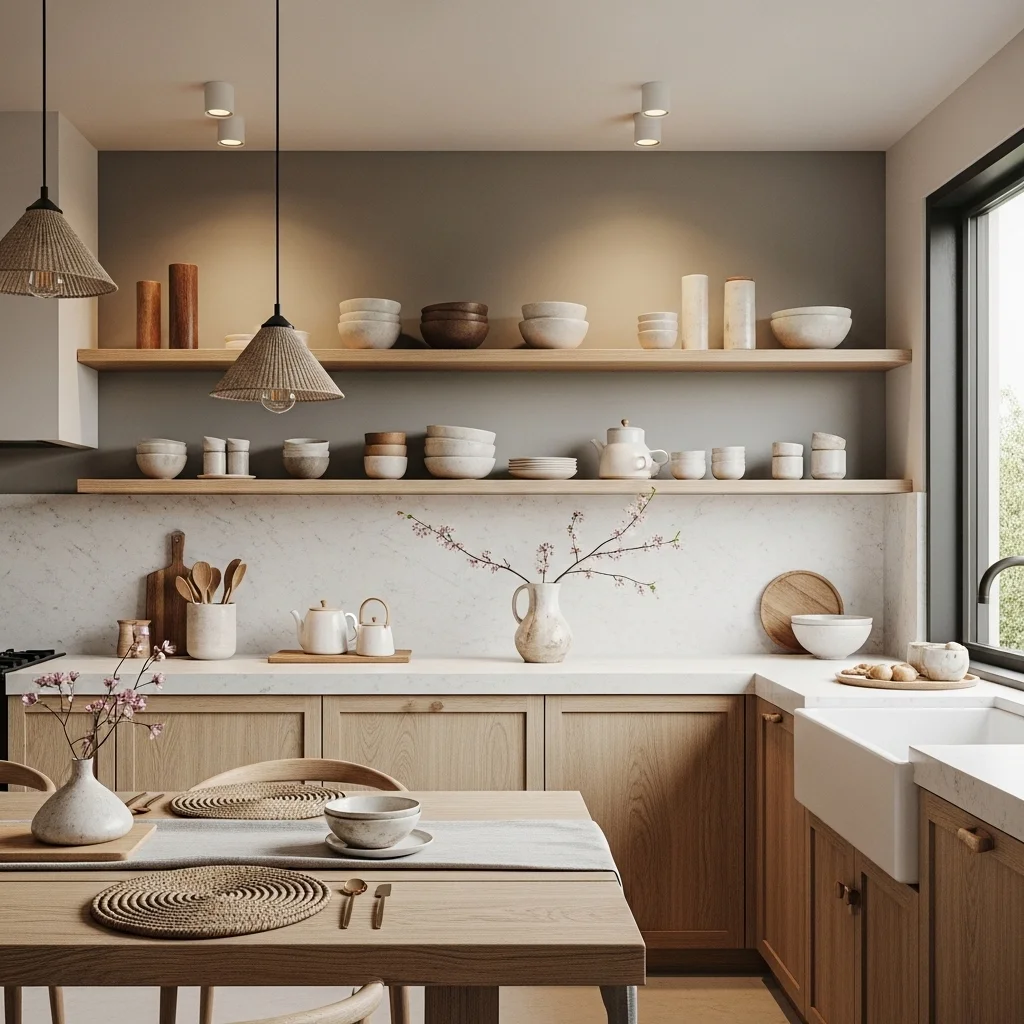
Open shelving can enhance the Japandi aesthetic when used thoughtfully. Instead of filling shelves with numerous items, display only a few carefully selected pieces such as ceramic bowls or wooden utensils. This keeps the space feeling airy and uncluttered.
Limiting what is on display also makes it easier to maintain organization. The goal is to highlight quality over quantity, ensuring that each item contributes to the overall design rather than detracting from it.
Add Soft, Ambient Lighting
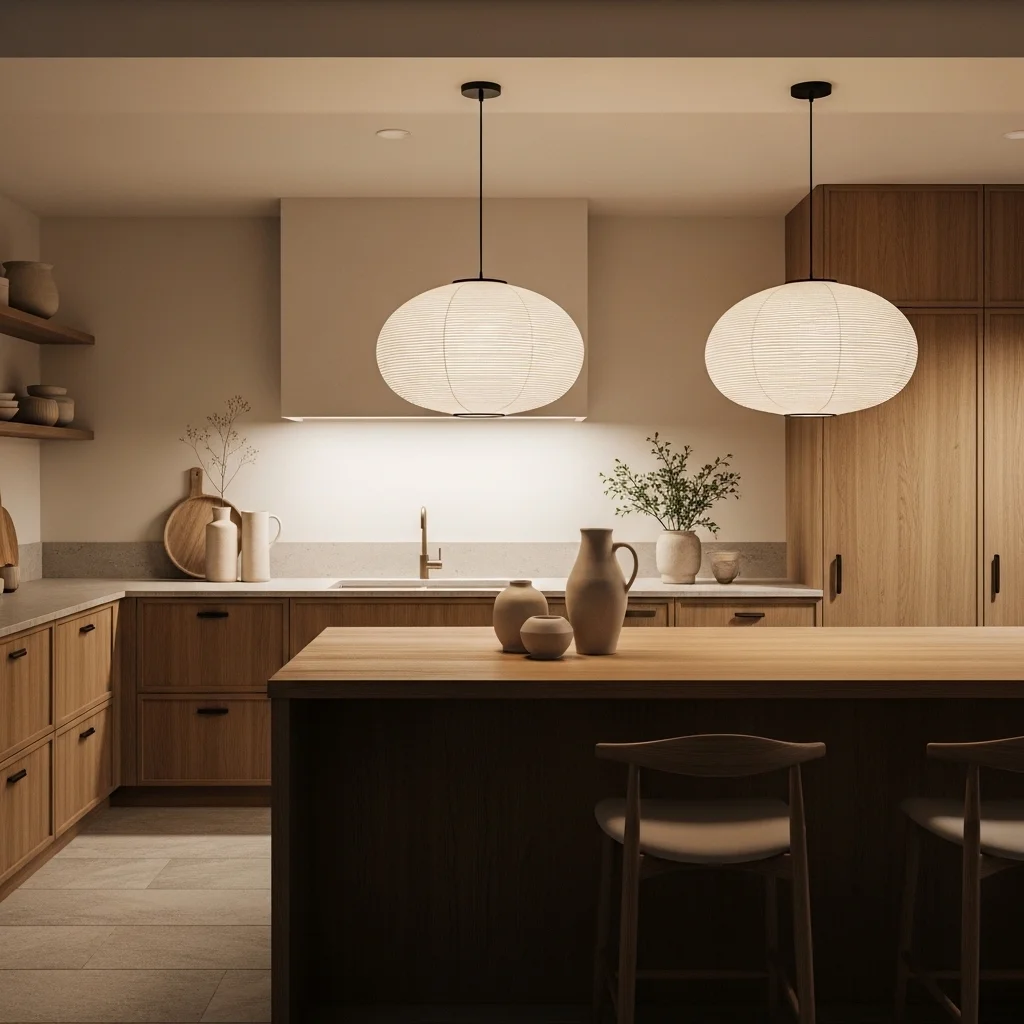
Lighting plays a crucial role in creating a warm Japandi kitchen. Soft, ambient lighting helps establish a cozy atmosphere while complementing the natural materials used throughout the space. Pendant lights with simple designs are particularly effective.
Warm light tones are preferred over harsh white lighting. This subtle glow enhances the textures of wood and stone, making the kitchen feel more inviting and comfortable.
Choose Matte Finishes
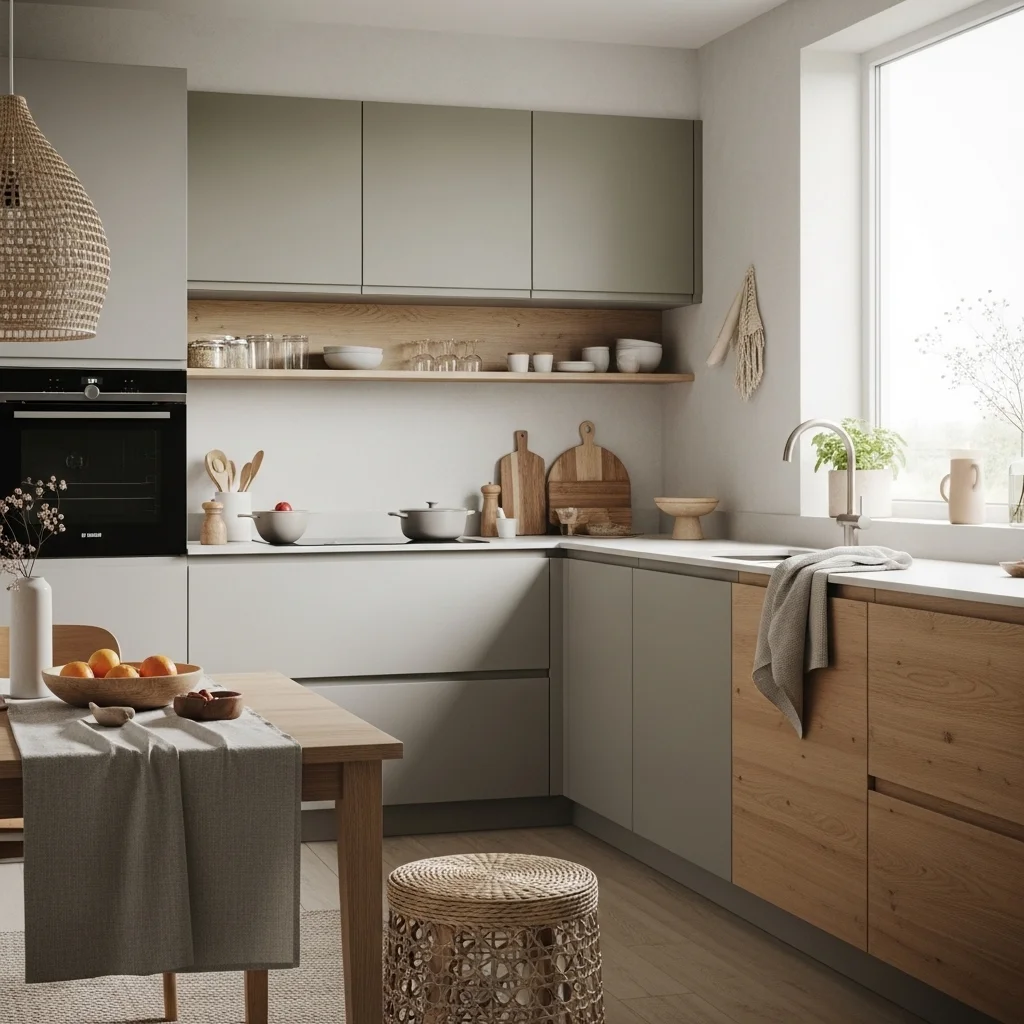
Matte finishes are a hallmark of Japandi design. Whether it is cabinetry, countertops, or fixtures, opting for matte surfaces reduces glare and creates a more subdued, sophisticated look. This aligns with the minimalist philosophy of avoiding overly shiny or reflective materials.
Matte finishes also tend to hide fingerprints and smudges better than glossy surfaces, making them a practical choice for busy kitchens. This combination of aesthetics and functionality is central to Japandi design.
Integrate Natural Stone Elements
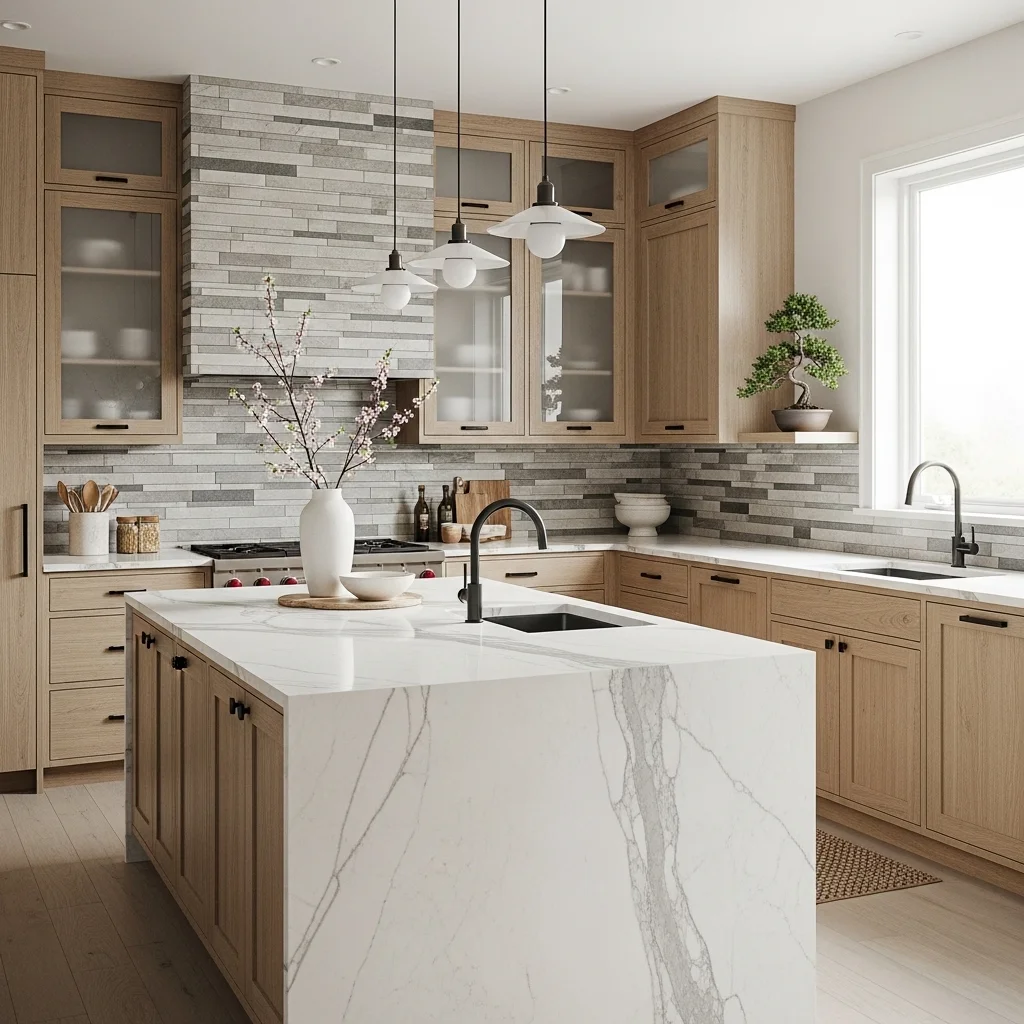
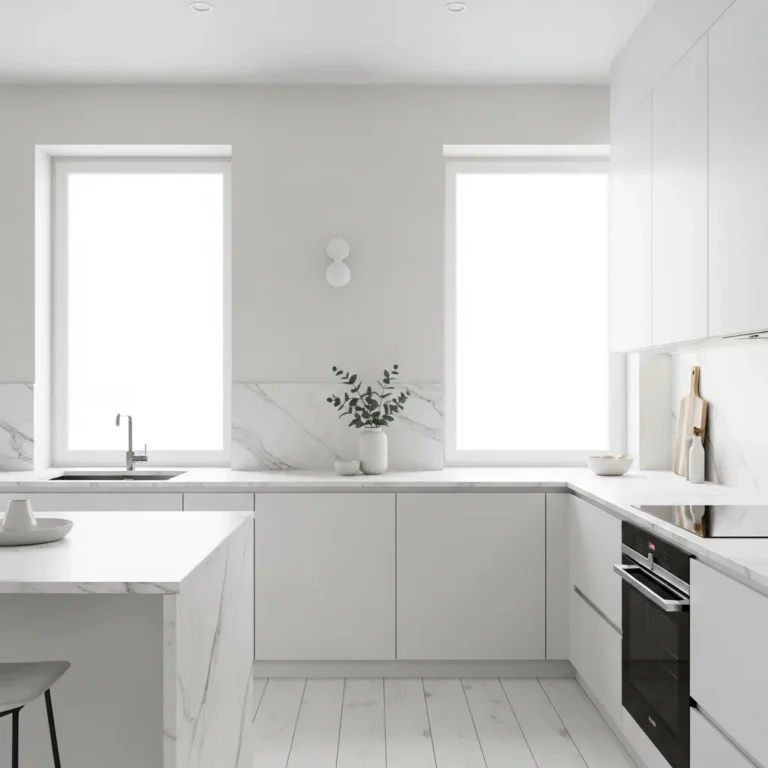
Natural stone adds depth and authenticity to Japandi kitchens. Materials like marble, granite, or quartz with subtle veining bring an organic feel to countertops and backsplashes. These elements complement the warmth of wood while adding contrast.
Using stone in a restrained manner ensures that it enhances rather than dominates the design. The goal is to maintain balance while introducing a tactile quality that enriches the space.
Prioritize Functional Layouts
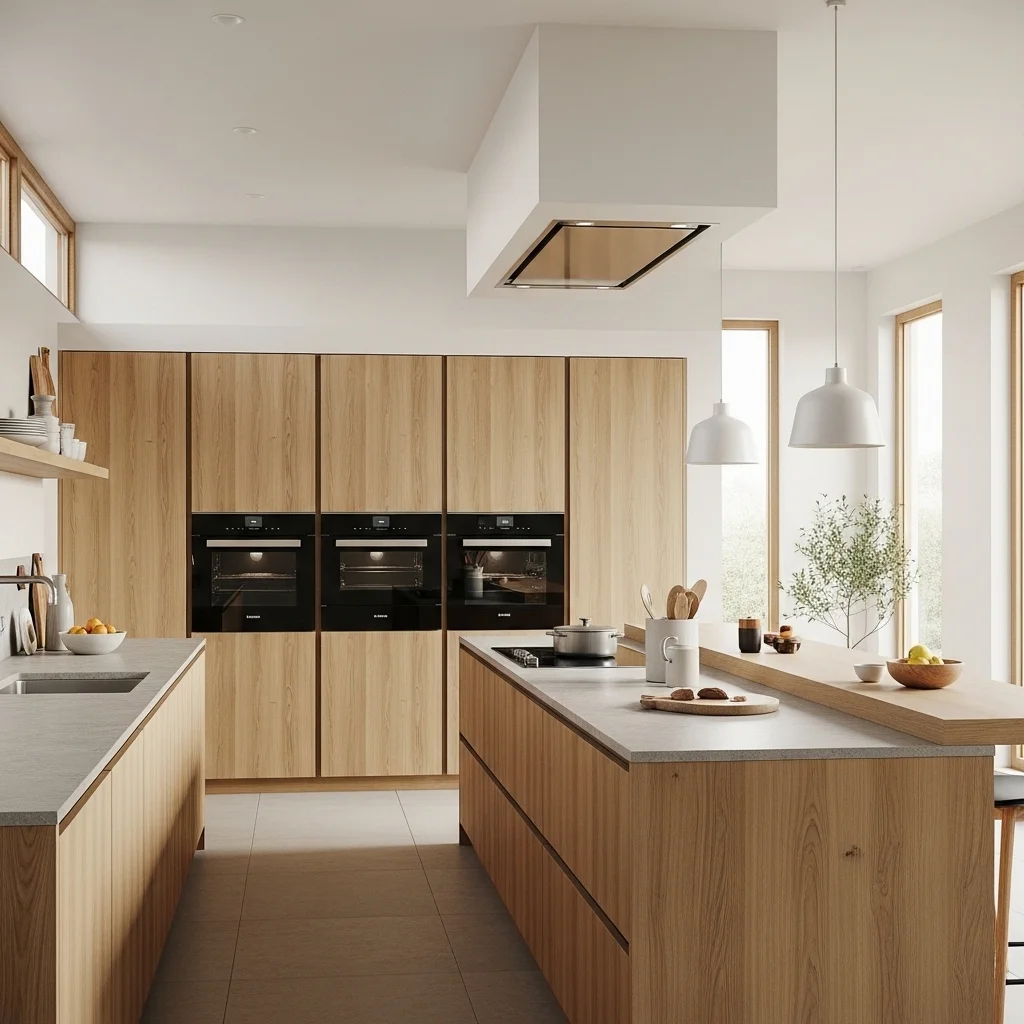
A well-planned layout is essential for any Japandi kitchen. The design should prioritize efficiency and ease of movement, ensuring that cooking and cleaning tasks are seamless. This often involves open layouts with clear work zones.
Functionality should never be sacrificed for aesthetics. Every element should contribute to a practical and user-friendly environment, reflecting the Japandi principle of purposeful design.
Incorporate Indoor Plants
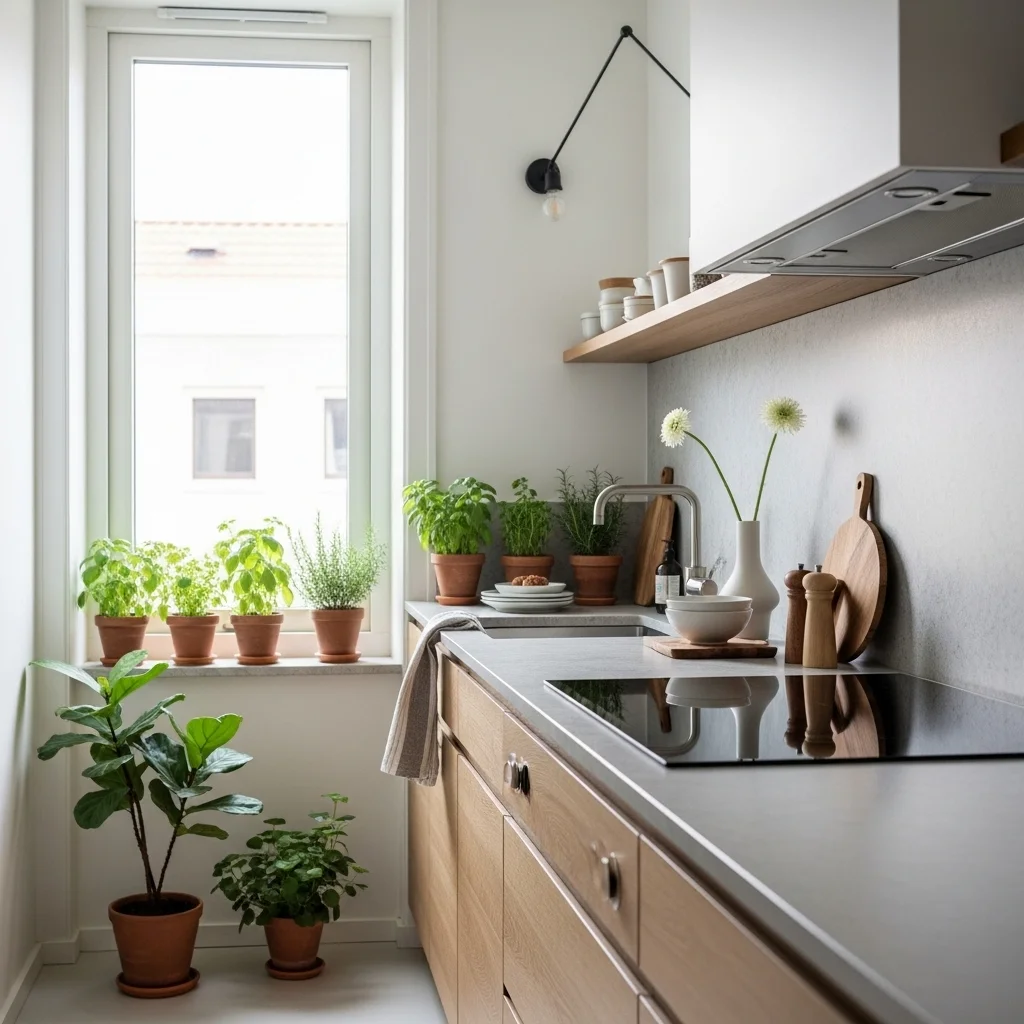
Indoor plants bring life and freshness into Japandi kitchens. Simple greenery such as herbs or small potted plants adds a natural touch without overwhelming the space. These elements enhance the connection to nature.
Choosing low-maintenance plants ensures that they remain healthy and vibrant. Placing them strategically on countertops or windowsills helps maintain a clean and organized look.
Use Subtle Textures
Texture is an important aspect of Japandi design. Incorporating elements like linen, wood grain, and stone surfaces adds depth without introducing visual clutter. These textures create a layered and inviting environment.
Balancing different textures helps prevent the space from feeling flat. The key is to keep everything cohesive and understated, allowing each material to complement the others.
opt for Handle less Cabinets
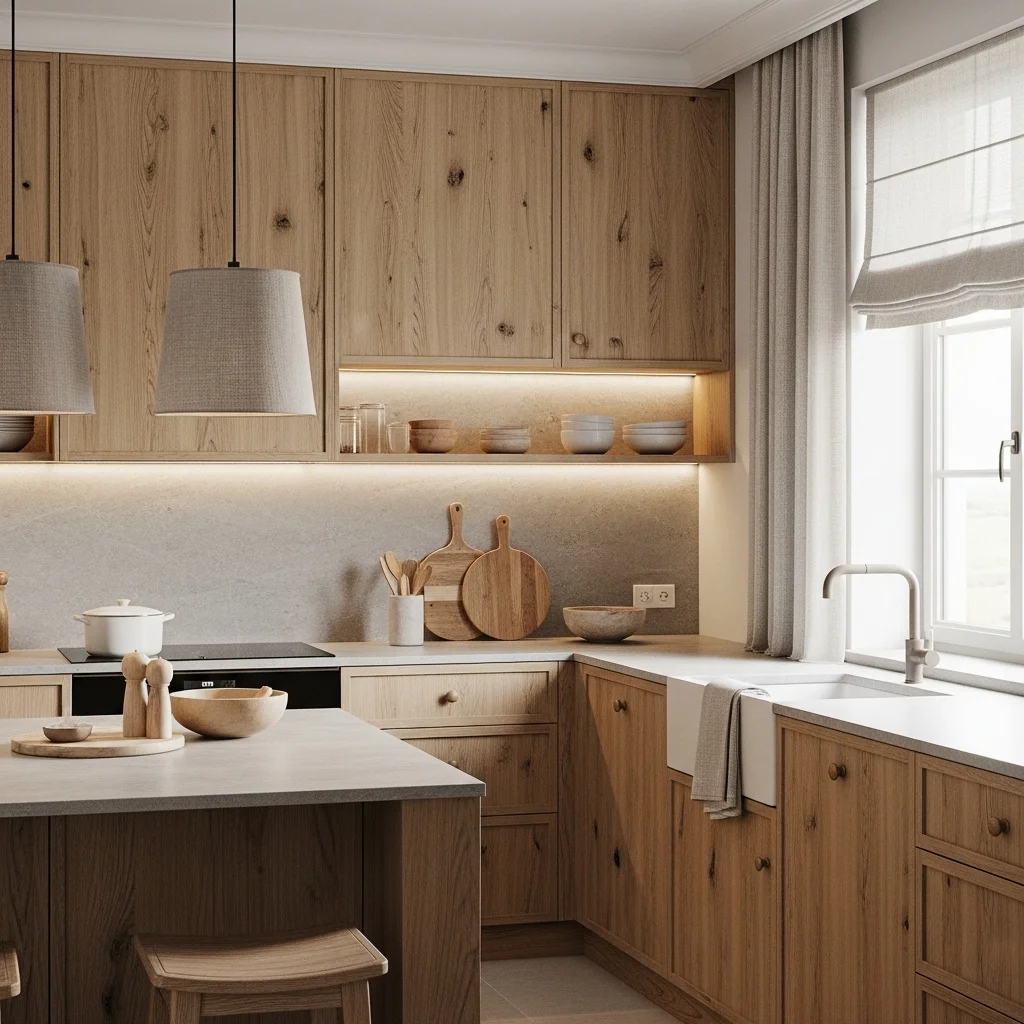
Handleless cabinets contribute to the sleek and minimalist appearance of Japandi kitchens. This design choice eliminates visual distractions and creates a seamless look throughout the space.
Push-to-open mechanisms or integrated handles maintain functionality while enhancing the clean aesthetic. This approach aligns perfectly with the principles of simplicity and efficiency.
Highlight Craftsmanship
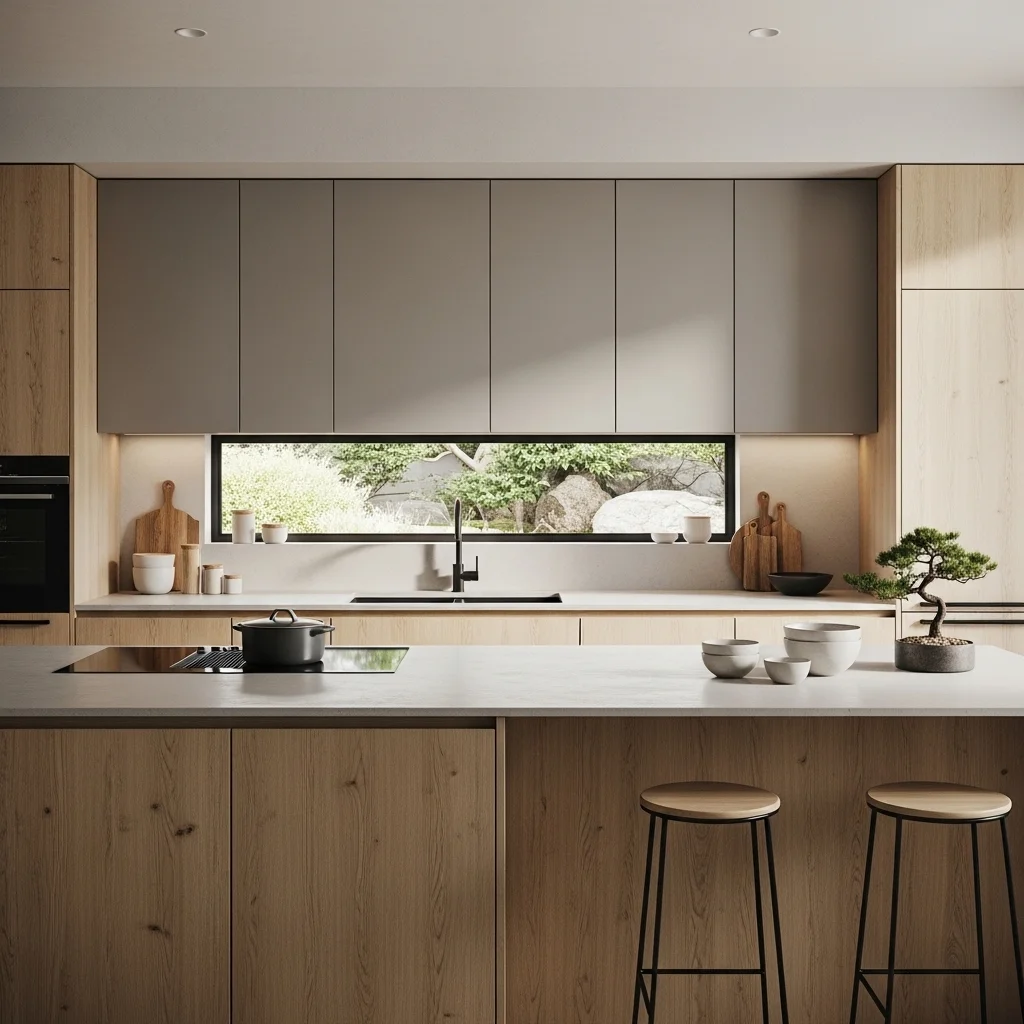
Japandi design values quality craftsmanship over mass production. Handcrafted elements such as wooden utensils, ceramic dishes, or custom cabinetry add a personal and authentic touch to the kitchen.
These details reflect a commitment to durability and artistry. Investing in well-made items ensures that your kitchen remains beautiful and functional for years to come.
Keep Countertops Clutter-Free
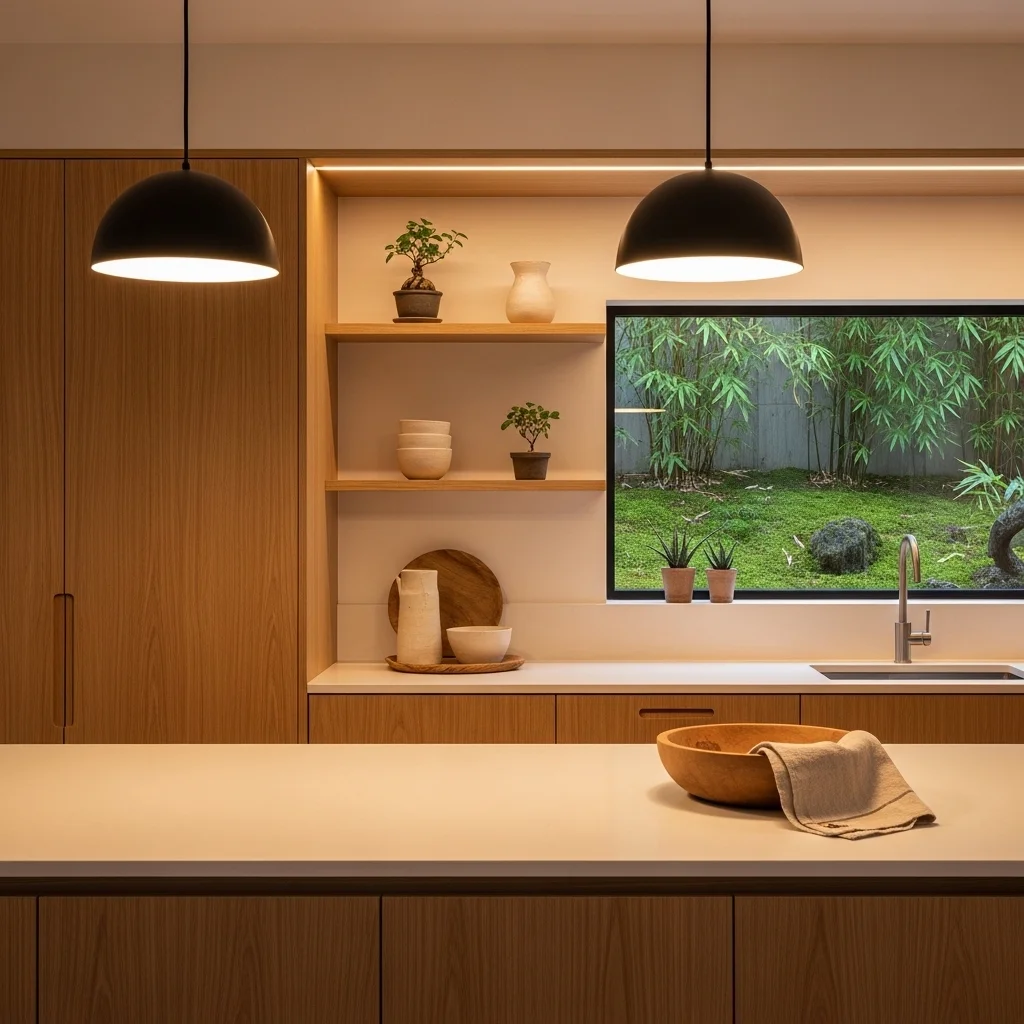
Clutter-free countertops are essential for achieving a Japandi look. Only essential items should be kept on display, while everything else is stored away neatly. This creates a sense of order and calm.
A clean surface also makes the kitchen easier to use and maintain. It allows the design elements to shine without unnecessary distractions.
Incorporate Warm Metallic Accents
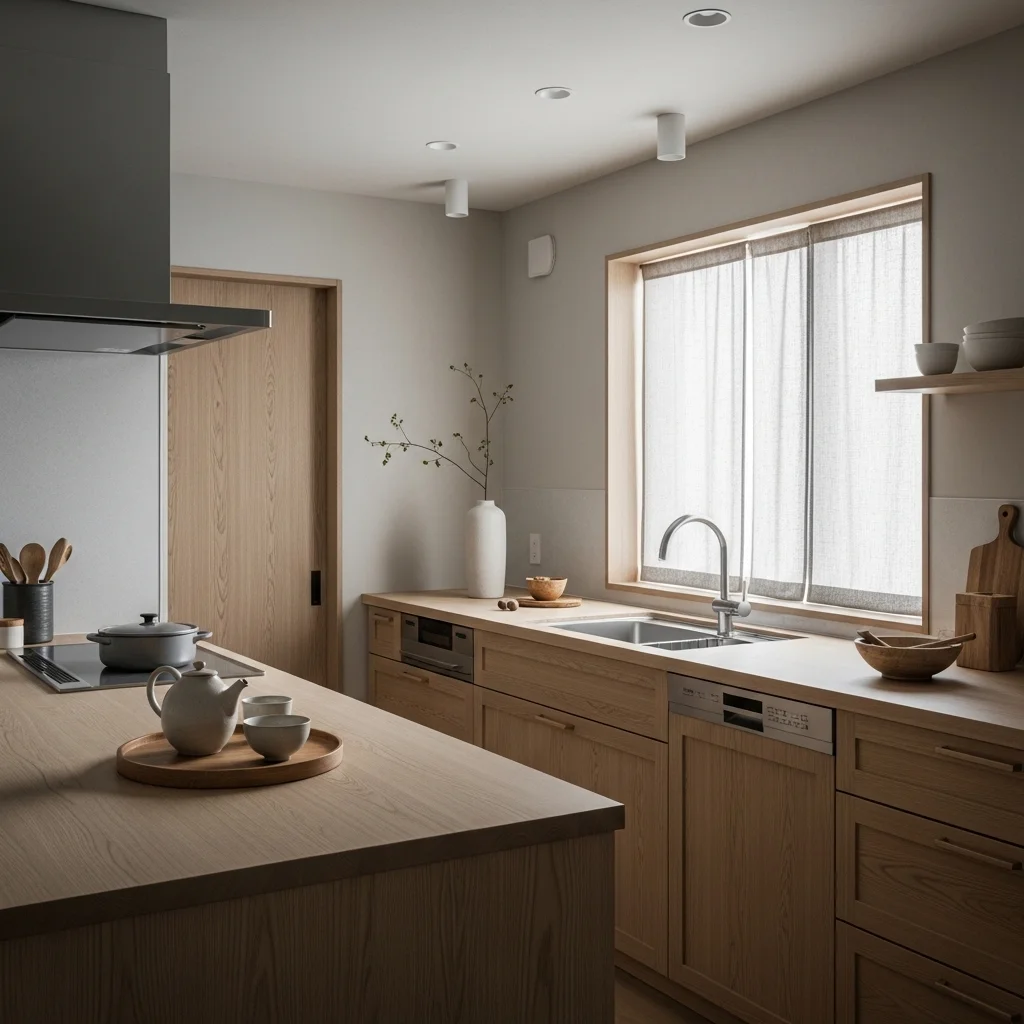
Warm metallic accents such as brushed brass or copper can add subtle elegance to a Japandi kitchen. These finishes complement natural materials and enhance the overall warmth of the space.
Using metals sparingly ensures that they do not overpower the minimalist design. Small touches like faucets or cabinet details are enough to make an impact.
Choose Simple Backsplash Designs
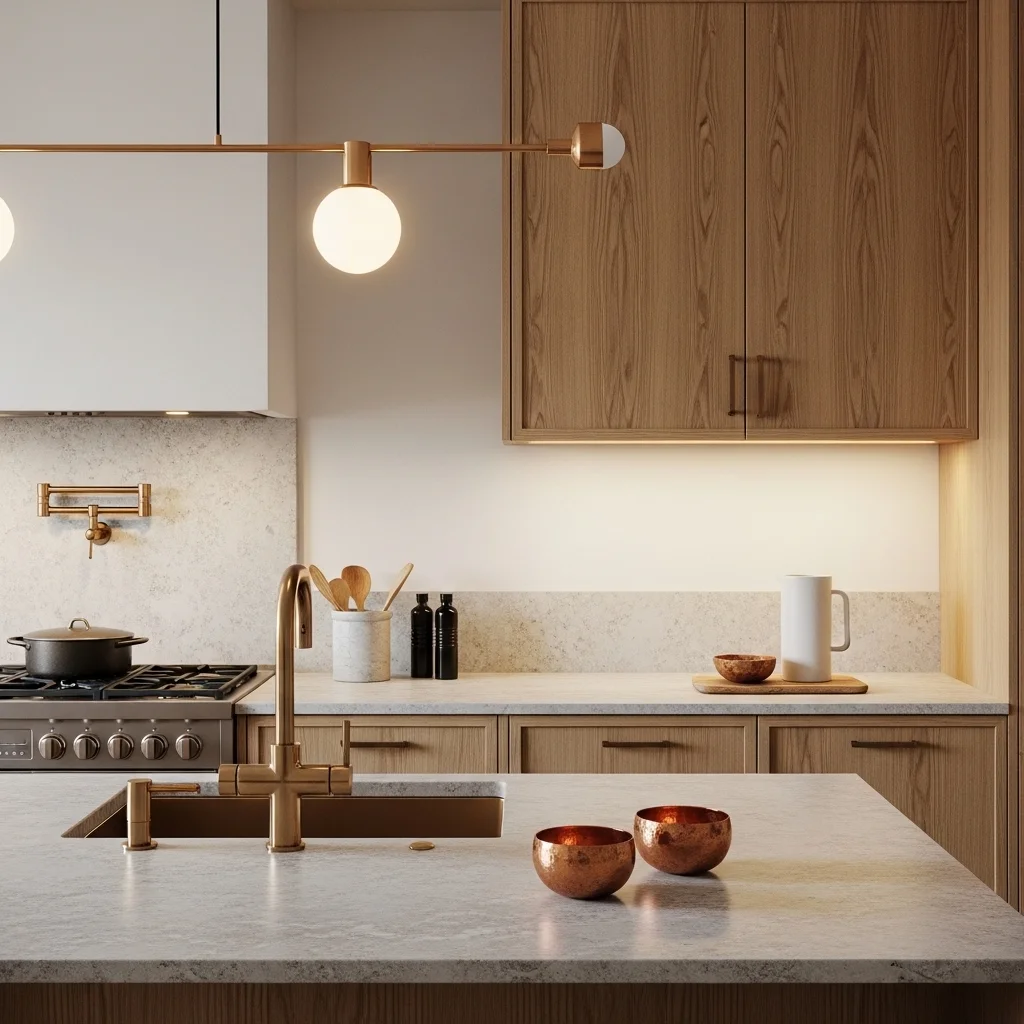
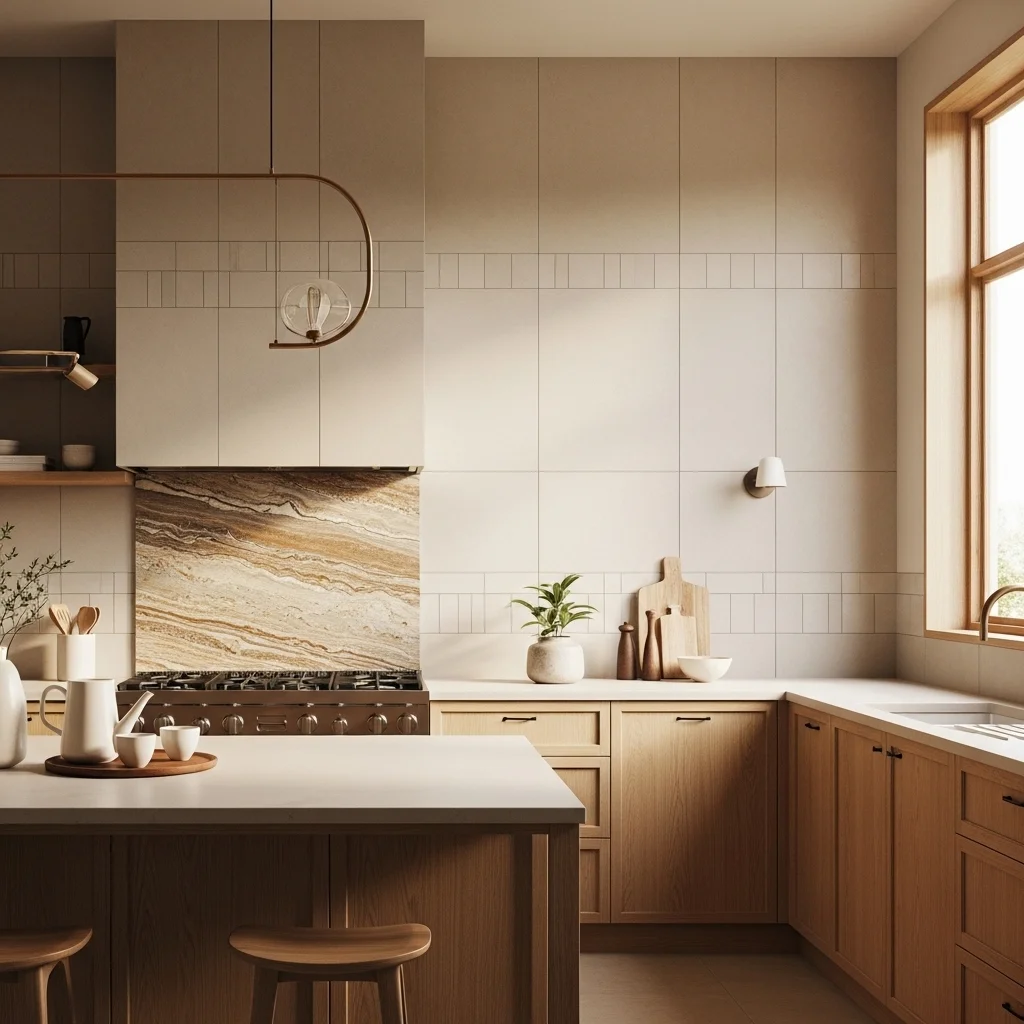
A simple backsplash design helps maintain the clean aesthetic of Japandi kitchens. Neutral tiles or stone slabs with minimal patterns are ideal choices. These options provide functionality without drawing too much attention.
Keeping the backsplash understated allows other design elements to take center stage. It also contributes to a cohesive and harmonious look.
Incorporate Sliding Doors
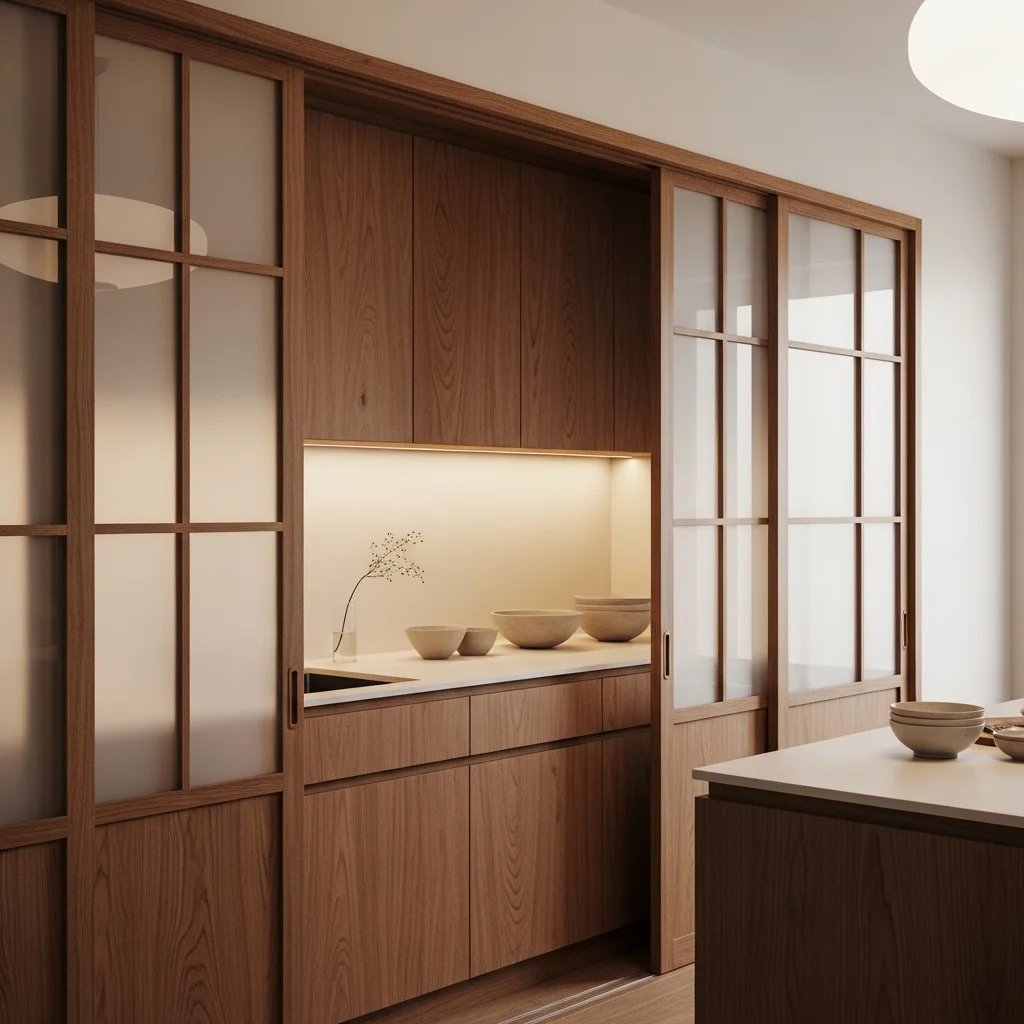
Sliding doors are a practical and stylish addition to Japandi kitchens. They save space and add a touch of traditional Japanese design. Materials like wood and glass work particularly well.
This feature enhances both functionality and aesthetics. It creates a smooth flow between different areas of the kitchen while maintaining visual continuity.
Use Earthy Color Accents
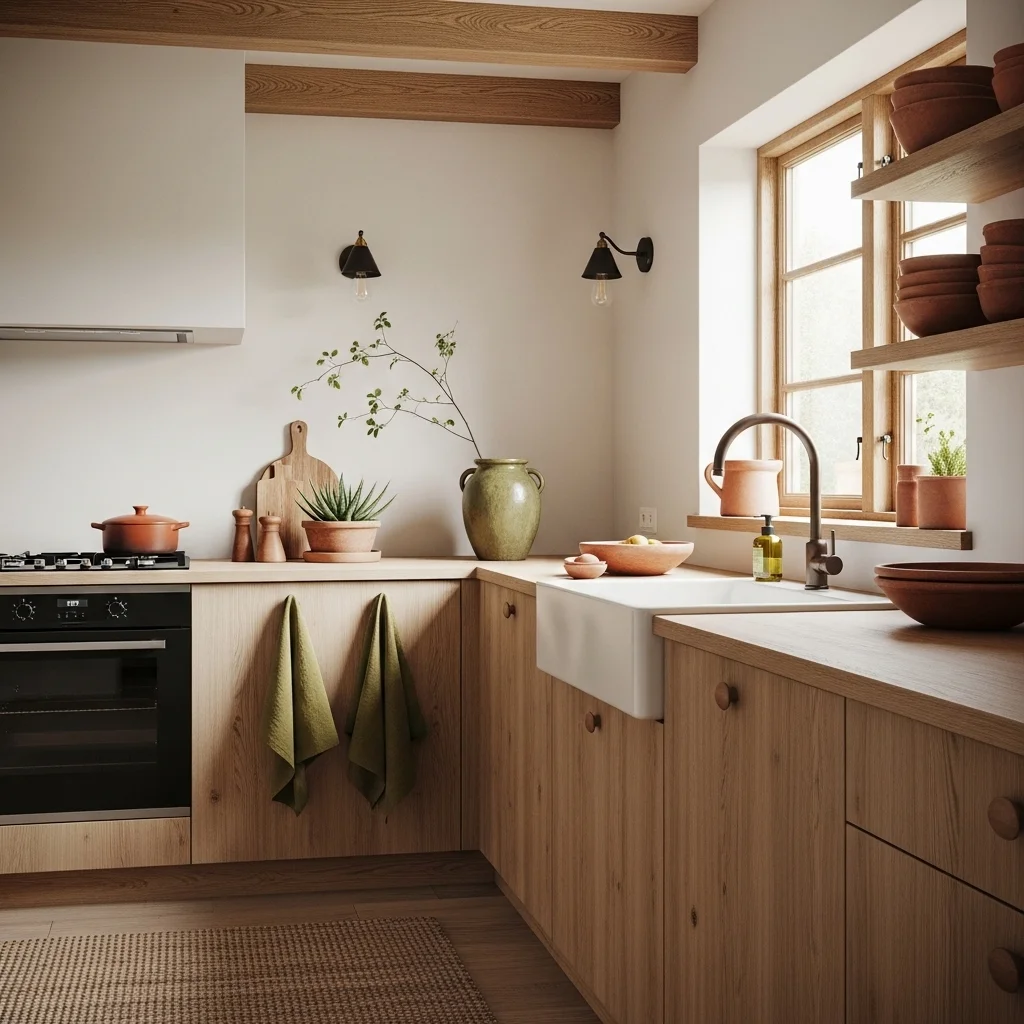
While neutral tones dominate Japandi kitchens, subtle earthy accents can add depth. Colors like olive green, muted brown, or soft terracotta bring warmth without disrupting the minimalist palette.
These accents can be introduced through decor items or small furnishings. The goal is to enhance the design while keeping it balanced and understated.
Focus on Sustainable Materials
Sustainability is an important aspect of Japandi design. Choosing eco-friendly materials such as reclaimed wood, bamboo, or natural stone supports both the environment and long-term durability.
This approach reflects a mindful way of living. It ensures that your kitchen is not only beautiful but also responsible and enduring. Additionally, sustainable materials often age gracefully, adding character over time.
Incorporate Built-In Storage
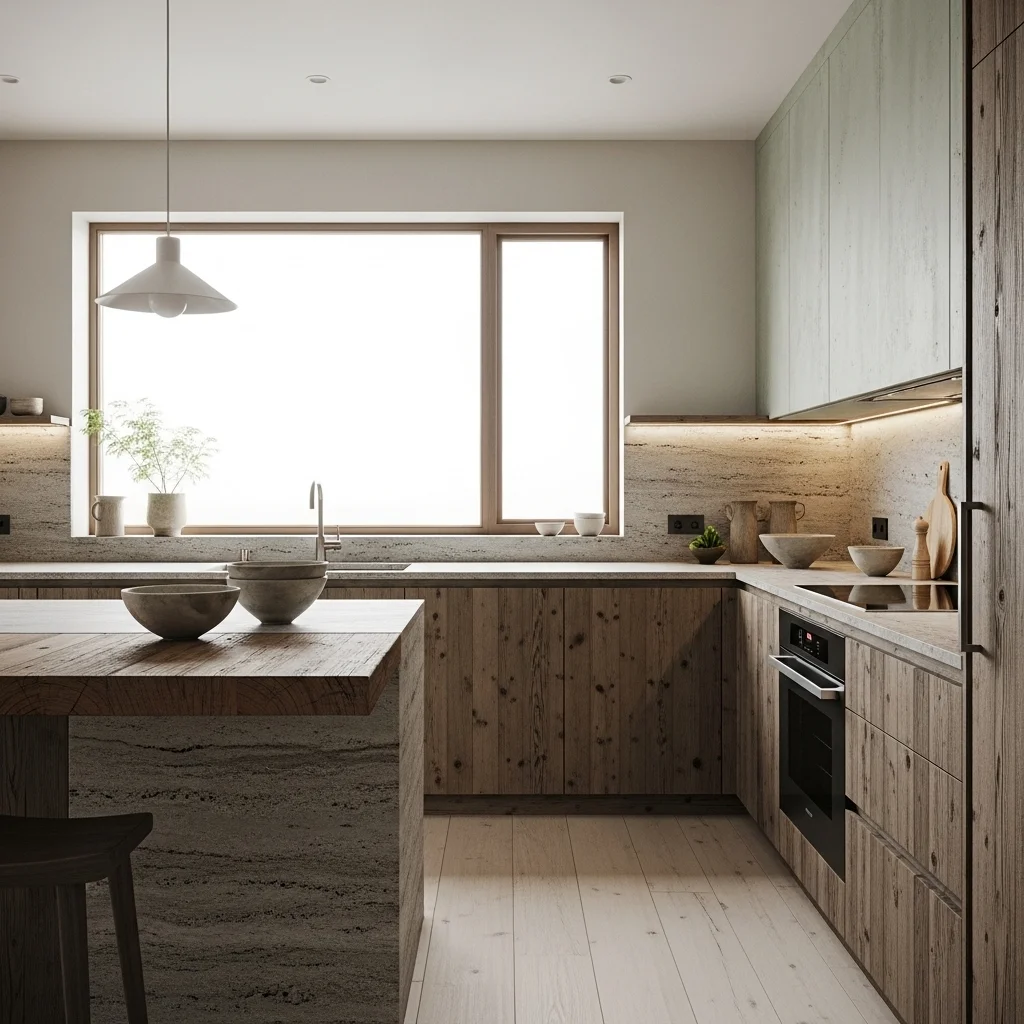
Built-in storage solutions help maintain a clutter-free environment. Hidden cabinets and integrated appliances keep everything organized while preserving the clean lines of the design.
Efficient storage also improves functionality. It ensures that every item has its place, making the kitchen easier to use and maintain. Clever storage solutions such as pull-out drawers and concealed compartments can further enhance usability.
Use Low-Profile Furniture
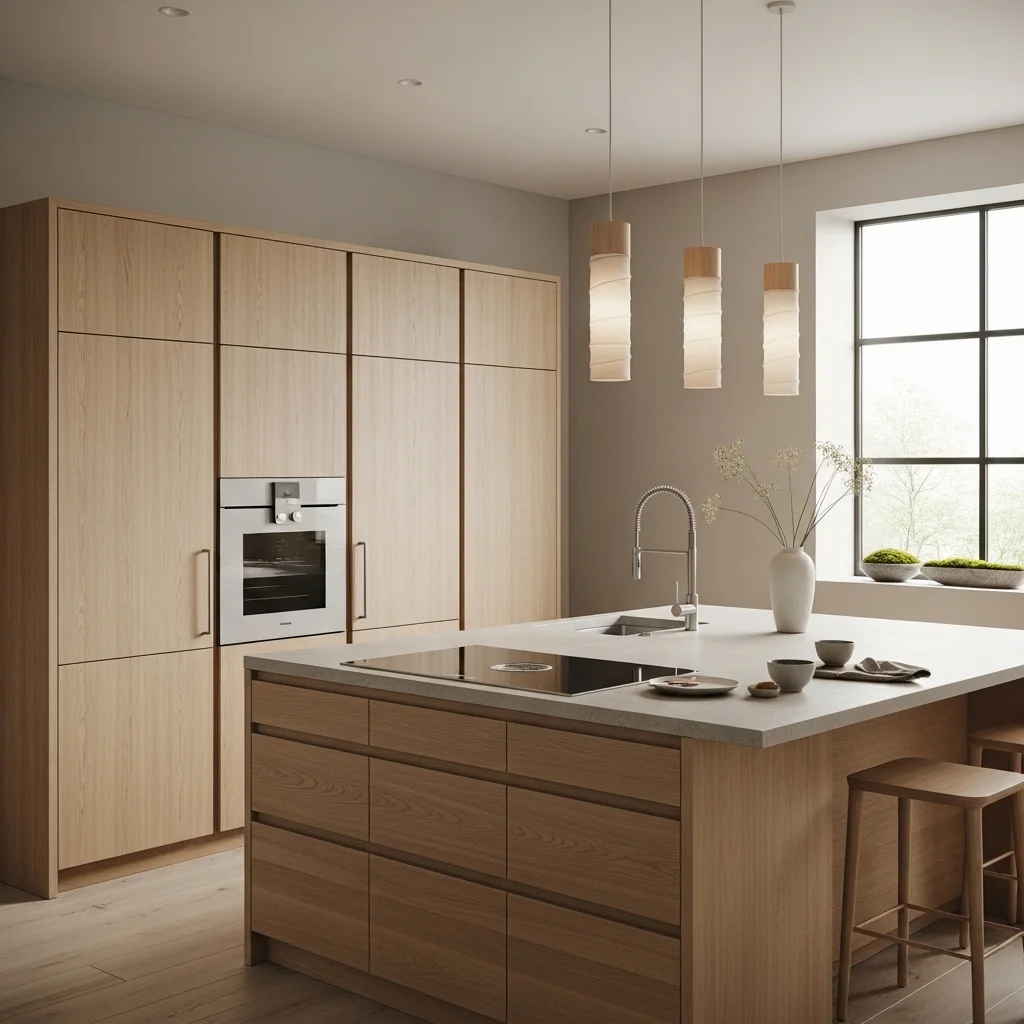
Low-profile furniture contributes to the open and airy feel of Japandi kitchens. Simple stools or seating with clean lines enhance the minimalist aesthetic.
This design choice also improves visual flow. It keeps the space feeling spacious and uncluttered, which is essential for achieving the Japandi look. Choosing furniture in natural materials further strengthens the connection to the overall design theme.
Highlight Natural Light
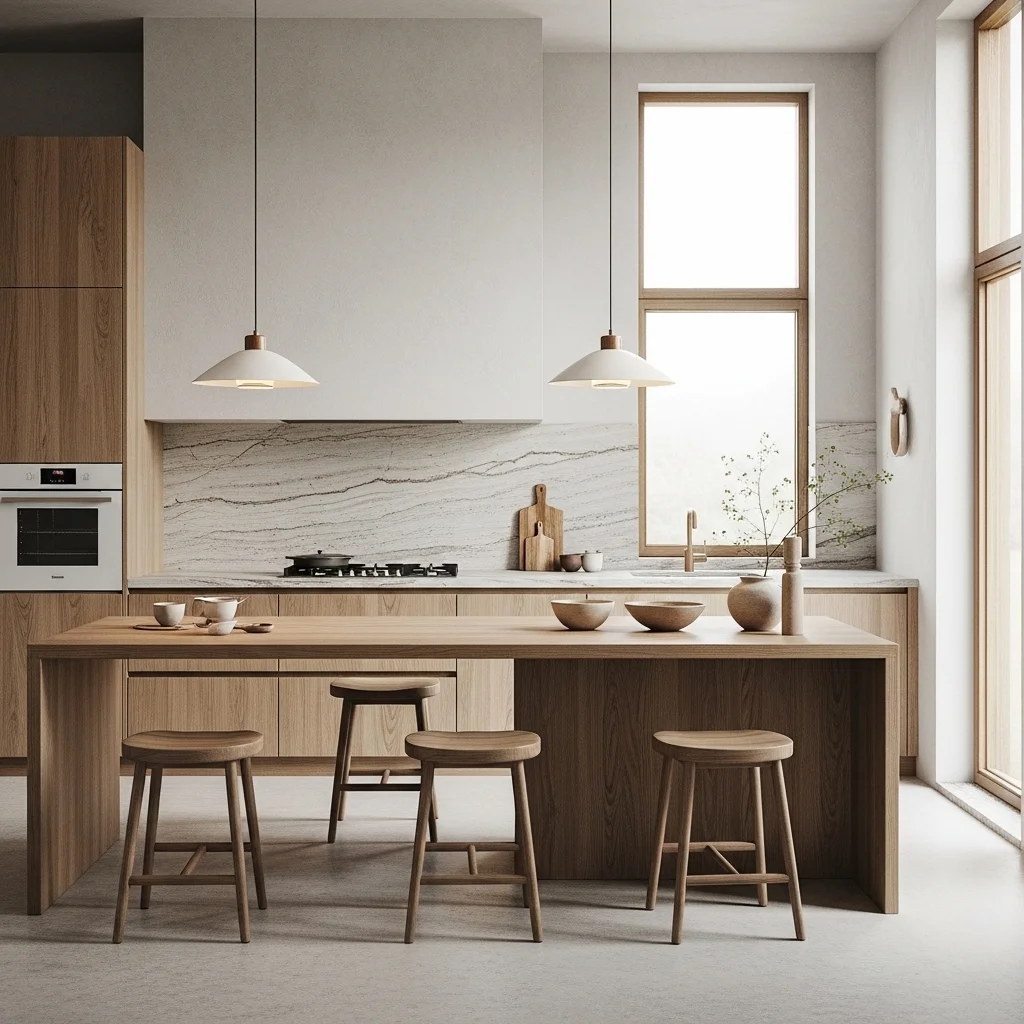
Natural light plays a significant role in Japandi kitchens. Large windows or open layouts allow sunlight to fill the space, enhancing its warmth and brightness.
Maximizing natural light reduces the need for artificial lighting during the day. It also highlights the textures and materials used in the design, making the kitchen feel more dynamic and alive.
Incorporate Subtle Patterns
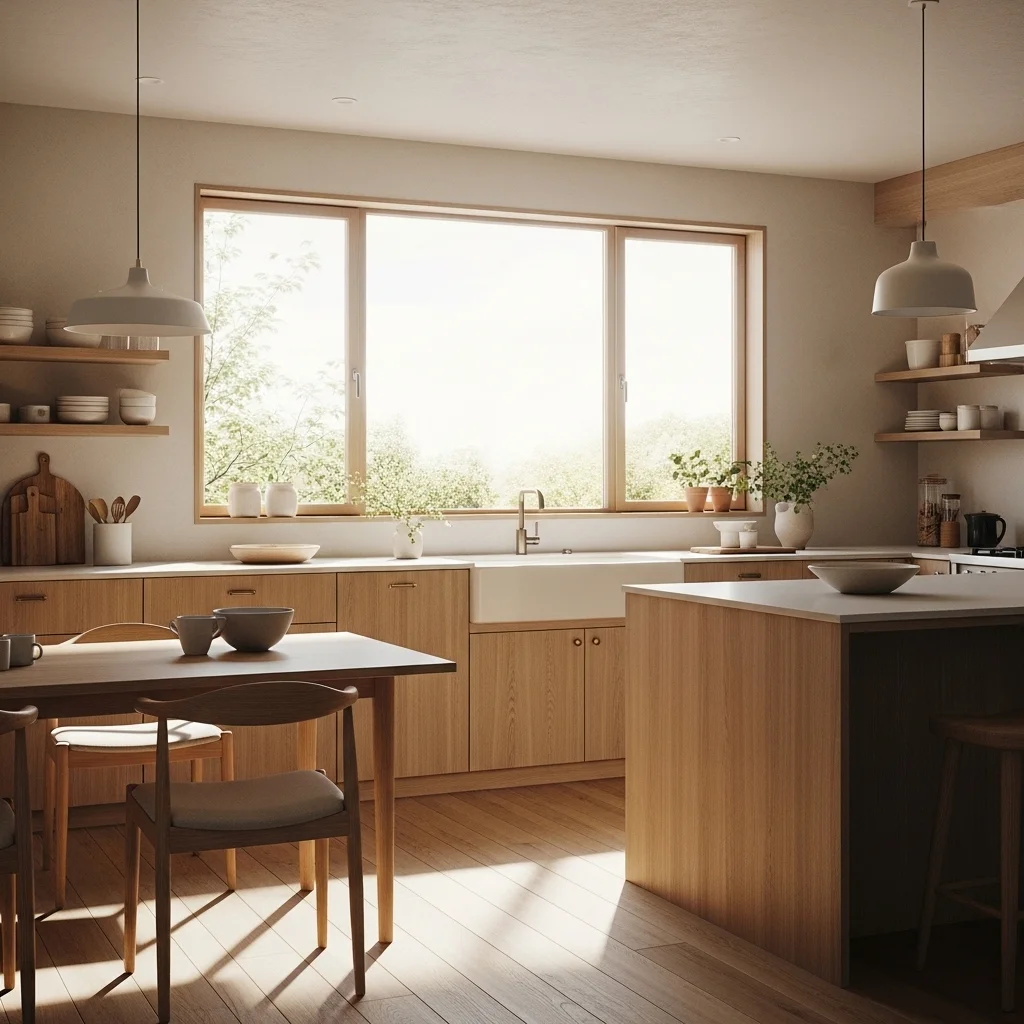
Subtle patterns can add interest without overwhelming the design. Simple geometric or organic patterns in textiles or tiles work well within the Japandi style.
Keeping patterns minimal ensures that they complement rather than compete with other elements. This maintains the overall harmony of the space while adding a touch of personality.
Blend Japanese and Scandinavian Elements
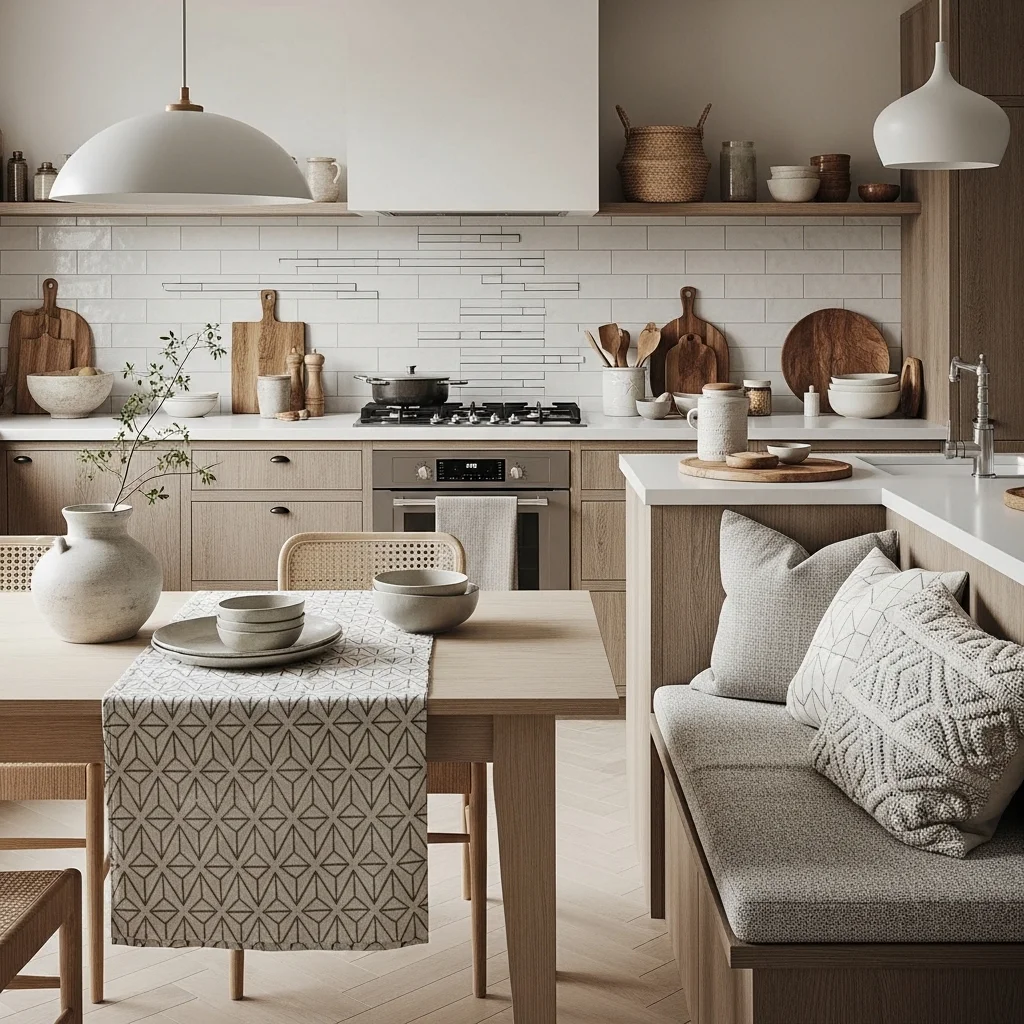
The essence of Japandi design lies in blending Japanese and Scandinavian influences. Combining elements like clean lines, natural materials, and functional layouts creates a balanced and cohesive kitchen.
This fusion results in a space that feels both modern and timeless. It reflects a lifestyle that values simplicity, comfort, and thoughtful design. By carefully balancing these influences, homeowners can create a kitchen that feels uniquely personal yet universally appealing.
Create a Calm and Mindful Atmosphere
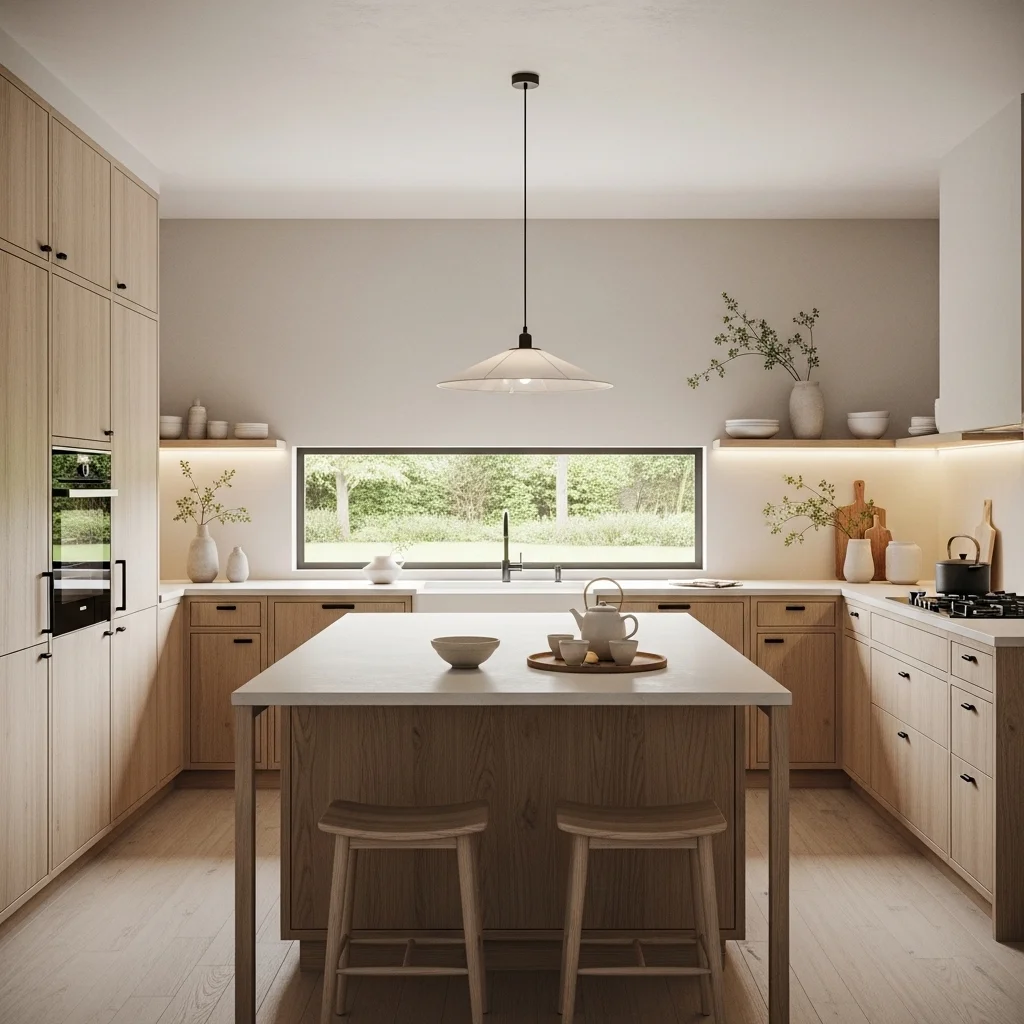
A true Japandi kitchen goes beyond visual design and focuses on creating a mindful environment. This means designing a space that encourages calmness, reduces stress, and promotes a sense of well-being during everyday activities.
Incorporating elements like soft textures, gentle lighting, and organized layouts helps establish a peaceful atmosphere. When your kitchen feels calm and intentional, it becomes more than just a place to cook, it becomes a space where you can truly enjoy the process of living.
Conclusion
Japandi kitchens offer a perfect balance between minimalism and warmth. By combining the simplicity of Japanese design with the coziness of Scandinavian interiors, this style creates spaces that are both functional and inviting. Every element, from color choices to materials, is carefully considered to achieve harmony and purpose.
Whether you are redesigning your entire kitchen or making small changes, embracing Japandi principles can transform your space into a peaceful retreat. Focus on quality, simplicity, and natural beauty to create a kitchen that stands the test of time while providing comfort and elegance.
FAQs
What is a Japandi kitchen style ?
A Japandi kitchen style combines Japanese minimalism with Scandinavian functionality. It focuses on clean lines, natural materials, and a warm yet simple aesthetic.
What colors are best for Japandi kitchens ?
Neutral tones such as white, beige, gray, and earthy shades are ideal. These colors create a calm and cohesive environment.
How do I make my kitchen look Japandi ?
Declutter your space, use natural materials, choose a neutral palette, and focus on functional design. Keep decor minimal and purposeful.
Are Japandi kitchens expensive to create ?
The cost can vary depending on materials and design choices. Investing in quality materials may be higher initially but offers long-term value.
Can small kitchens use Japandi design ?
Yes, Japandi design works well in small kitchens. Its minimalist approach helps maximize space and create a clean, open feel.