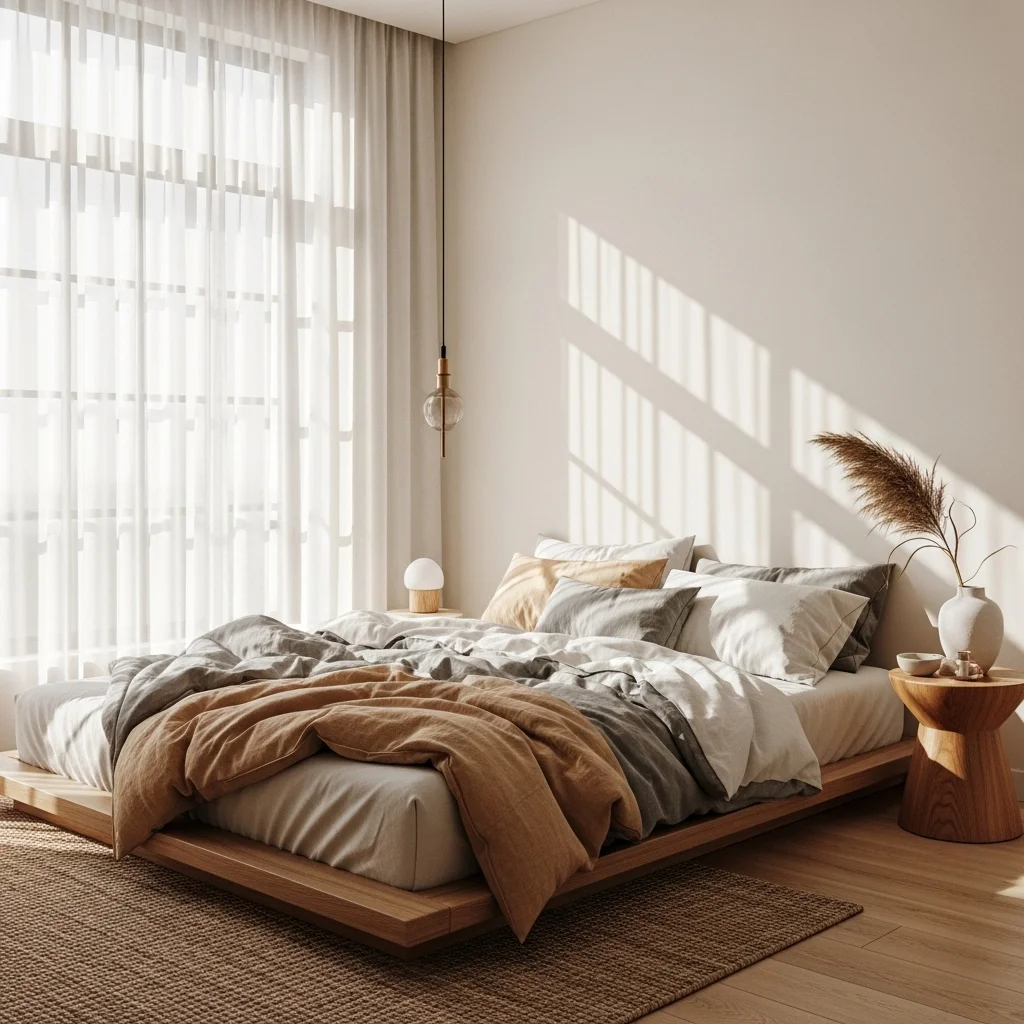
Minimalist Japandi bedroom design is more than just a visual trend, it is a thoughtful approach to creating a peaceful and functional living space. By blending Japanese simplicity with Scandinavian comfort, this design style focuses on balance, calmness, and intentional living. Every detail matters, from the furniture you choose to the textures you layer into the room.
A Japandi bedroom is designed to help you slow down and unwind. It removes unnecessary distractions and replaces them with meaningful, calming elements. In this expanded guide, each of the 22 ideas is explored in greater depth to help you fully understand how to design a bedroom that feels both minimal and warm.
Embrace a Neutral Color Palette
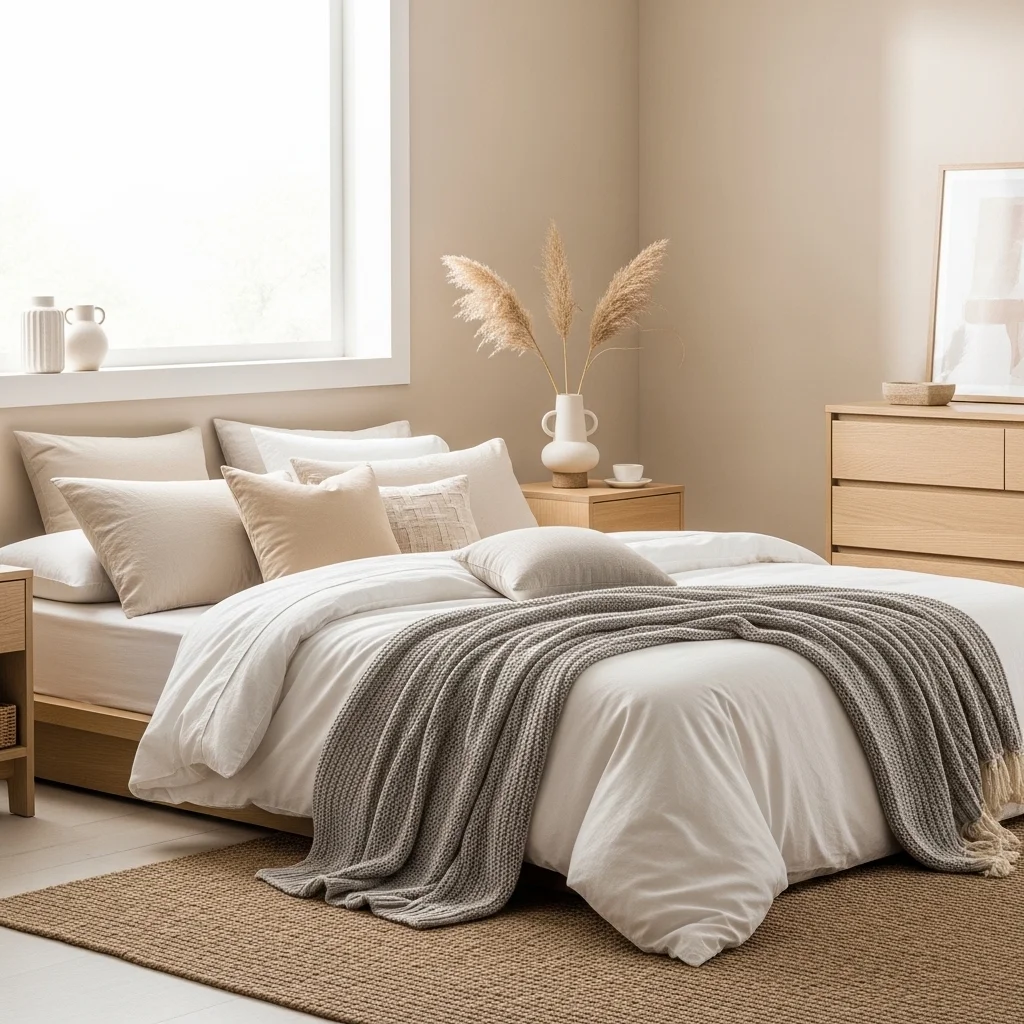
A neutral color palette is not just about choosing light colors, it is about creating a harmonious base that allows the entire room to feel calm and cohesive. Shades like warm white, beige, soft taupe, and muted gray help reflect light gently and create a soothing atmosphere that supports rest and relaxation.
To elevate the look, consider layering different tones within the same palette. For example, combine creamy walls with slightly darker bedding and light wood furniture. This layering technique prevents the room from feeling flat while still maintaining the minimalist Japandi aesthetic.
Choose Low Profile Furniture
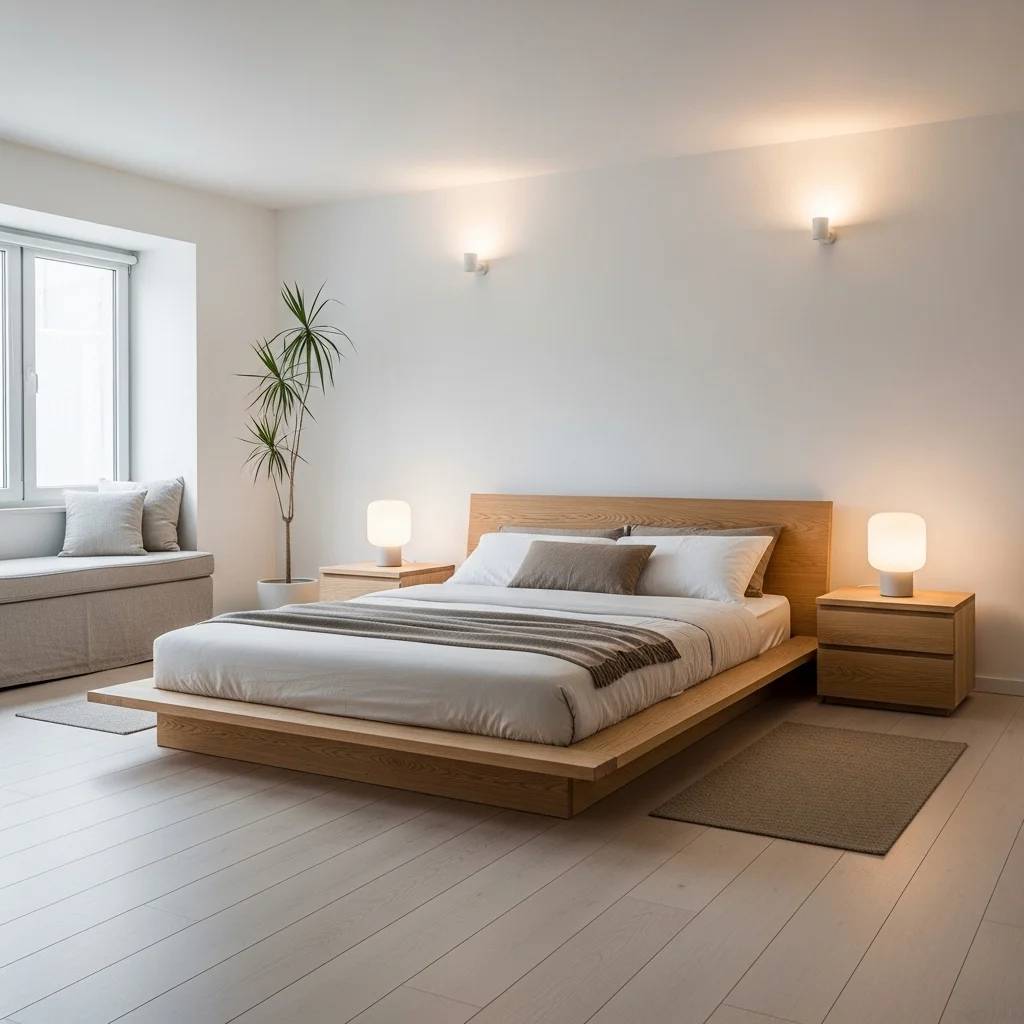
Low profile furniture helps establish a grounded and tranquil feeling in the bedroom. A platform bed with a simple frame instantly creates a sense of openness by keeping the visual weight low. This design choice also reflects traditional Japanese interiors, where furniture is often closer to the floor.
You can extend this concept by choosing low nightstands and benches. Keeping furniture heights consistent creates a seamless flow throughout the room. It also makes ceilings appear higher, which enhances the feeling of space even in smaller bedrooms.
Focus on Natural Materials
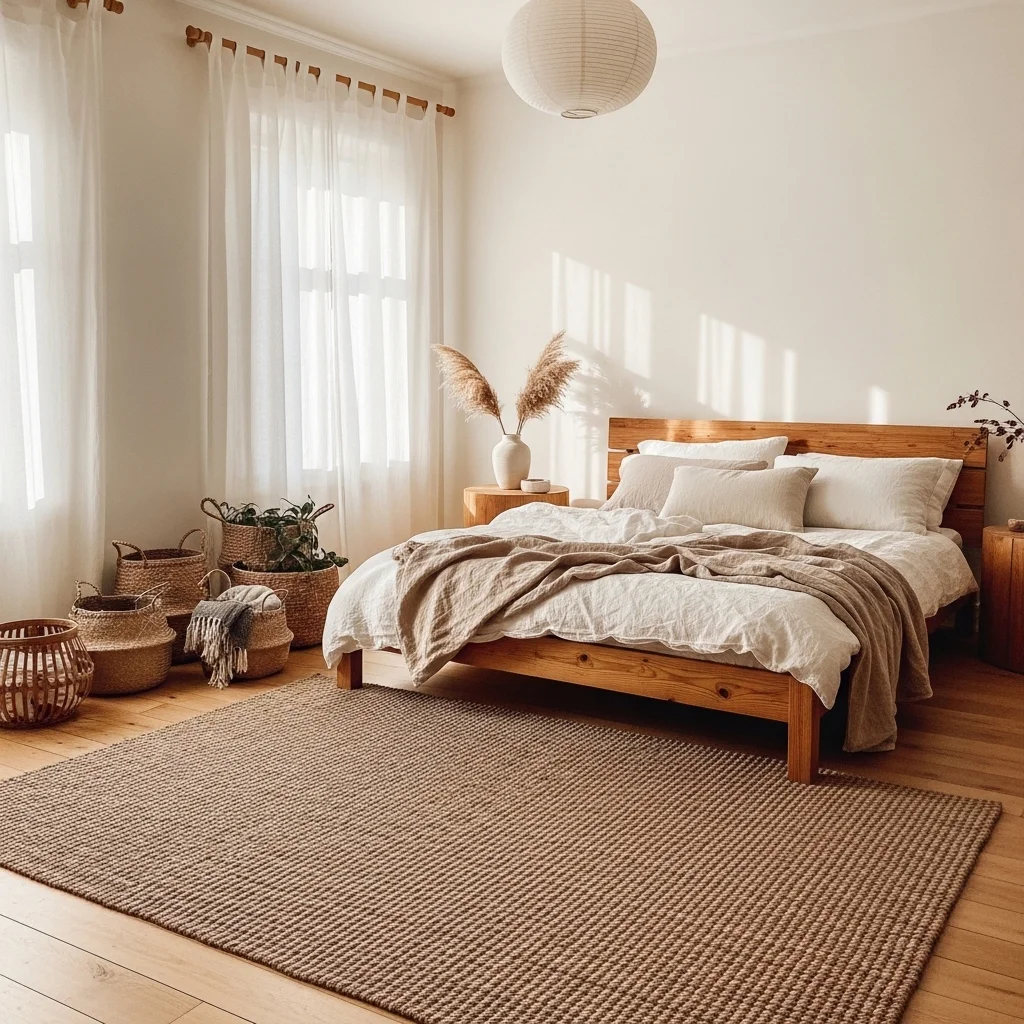
Natural materials are essential in bringing warmth and authenticity into a Japandi bedroom. Wood is the most dominant material, often seen in bed frames, flooring, and furniture. Light oak, ash, or walnut finishes work beautifully to create a soft and natural look.
In addition to wood, incorporate materials like linen bedding, cotton curtains, and woven baskets. These textures not only add comfort but also create a sensory experience that makes the space feel more inviting and connected to nature.
Keep Decor Minimal and Intentional
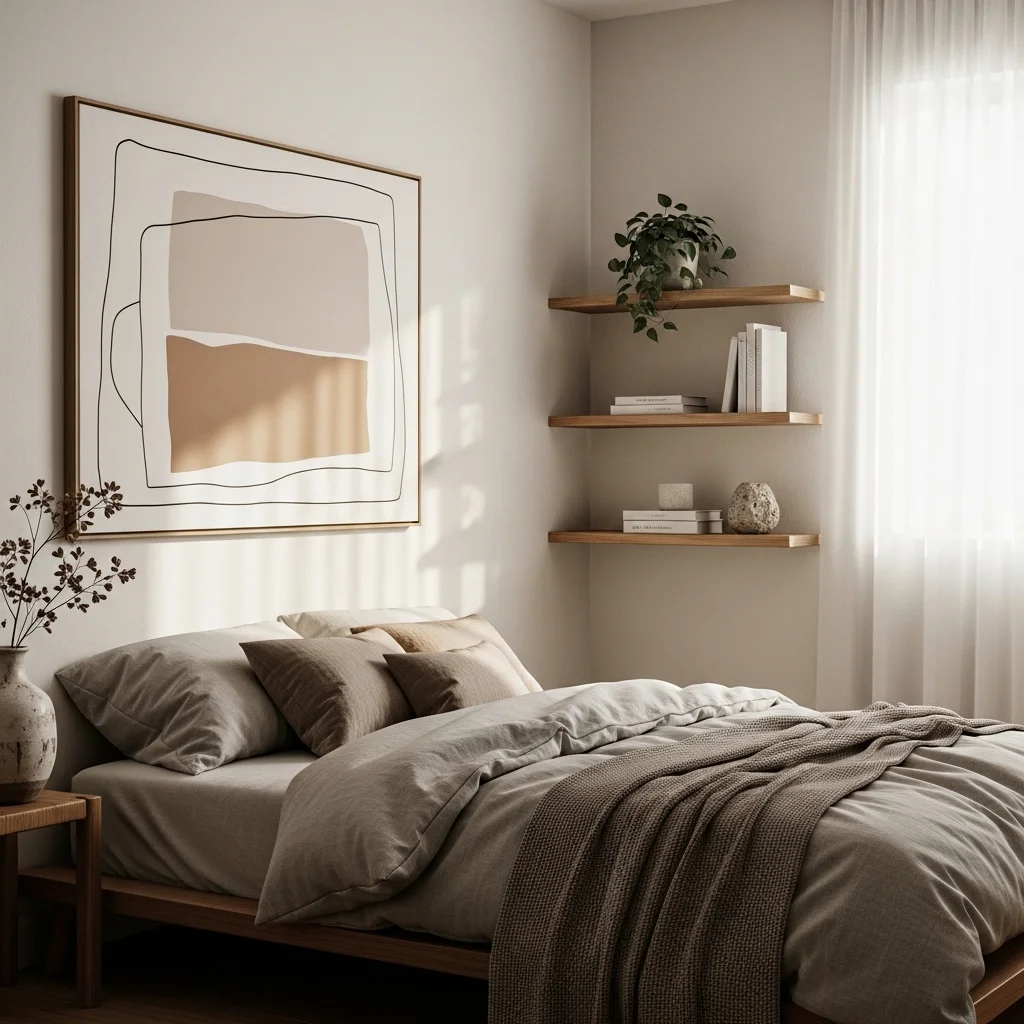
In Japandi design, every piece of decor should have a purpose. Instead of filling shelves with random items, choose a few carefully selected objects that reflect your personality or serve a function. This could be a ceramic vase, a small sculpture, or a framed piece of art.
The key is to leave enough empty space around each item. Negative space is just as important as the objects themselves. It allows the room to breathe and enhances the visual impact of each element.
Incorporate Soft Textures
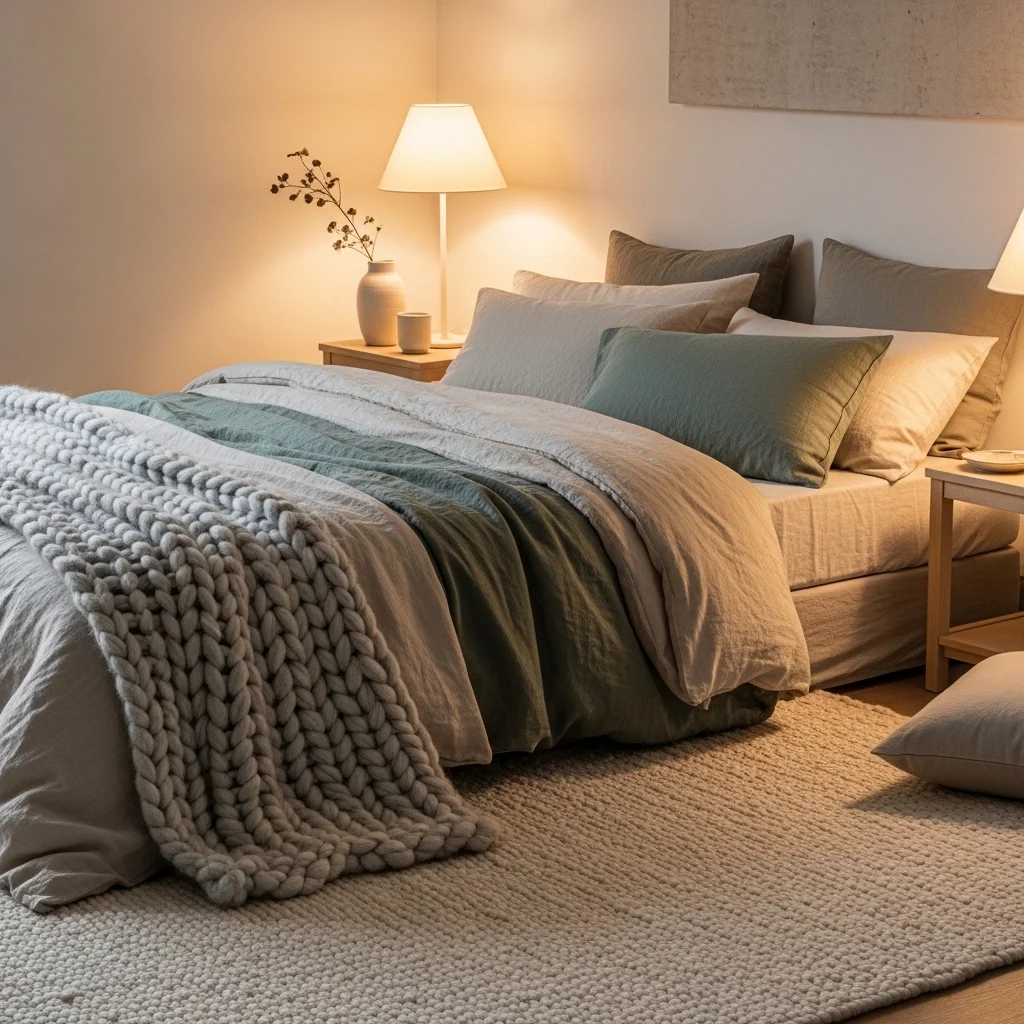
Minimalism can sometimes feel cold, but Japandi design avoids this by layering soft textures. Think of cozy linen bedding, wool throws, and plush cushions that invite you to relax. These elements make the room feel warm without adding visual clutter.
To achieve balance, stick to a consistent color palette while varying the textures. For example, pair a smooth cotton duvet with a chunky knit throw. This contrast adds depth and keeps the design visually interesting.
Use Warm Ambient Lighting
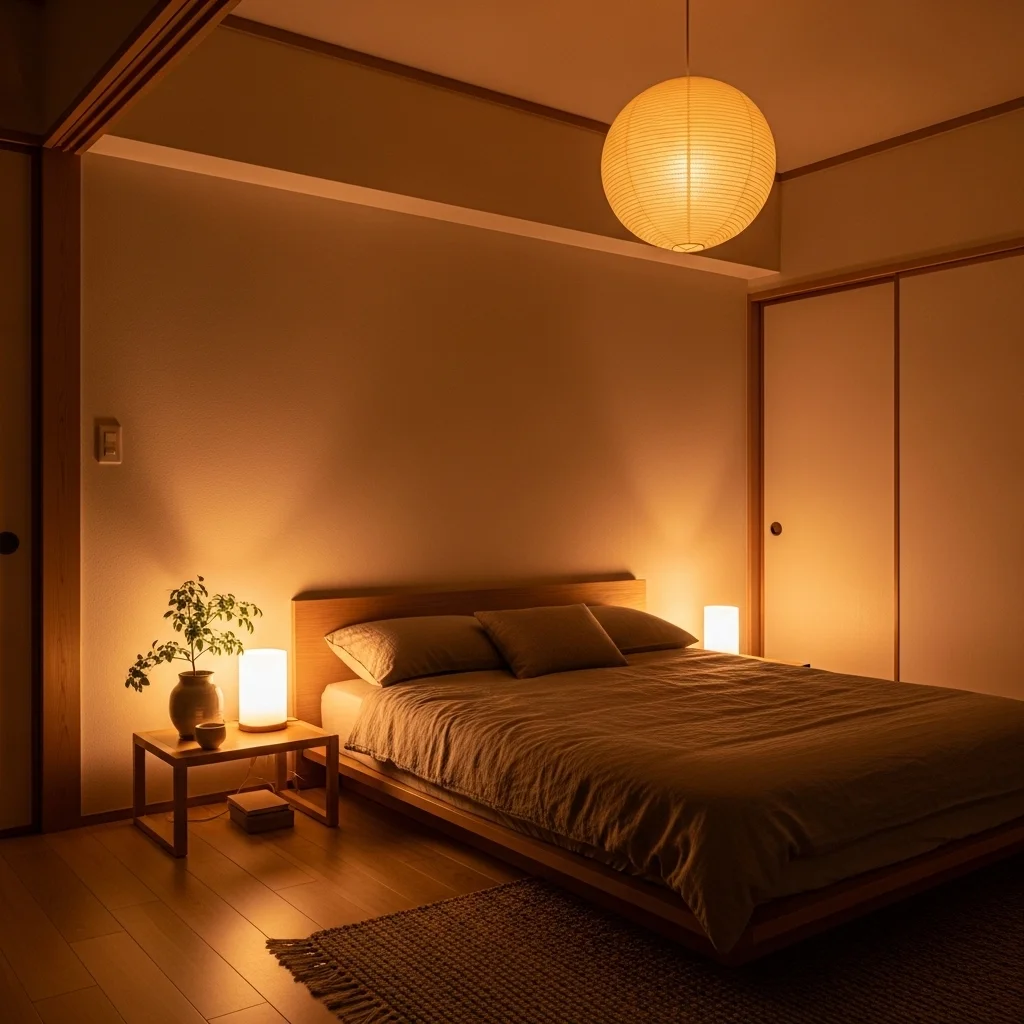
Lighting in a Japandi bedroom should feel soft and calming rather than bright and harsh. Warm-toned bulbs create a cozy atmosphere that is perfect for winding down in the evening. Layering different light sources can enhance the overall effect.
Consider adding a bedside lamp, a floor lamp, and a simple pendant light. Using diffused lighting, such as paper or fabric shades, helps soften the glow and create a relaxing environment that supports rest.
Add Subtle Greenery
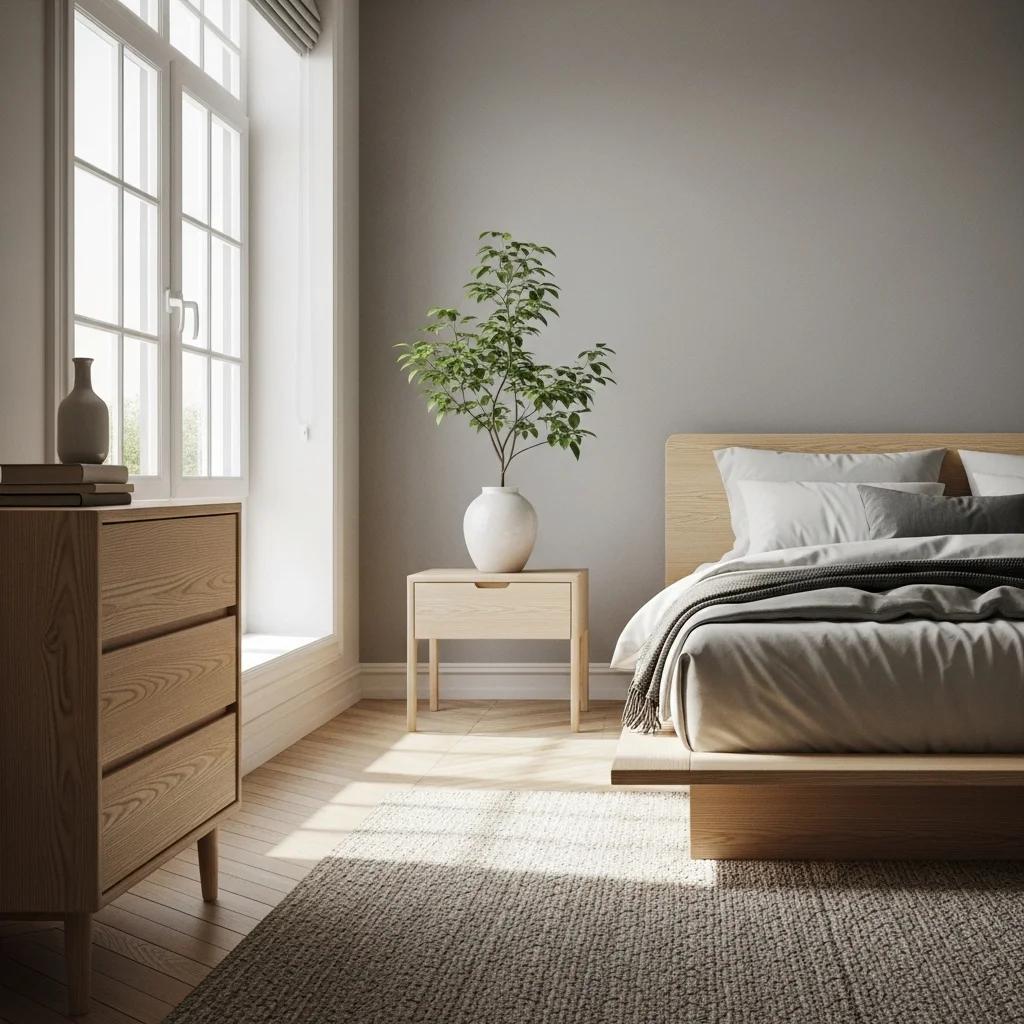
Greenery brings life and freshness into the bedroom while maintaining a connection to nature. In Japandi design, less is more, so a single well-placed plant can be more effective than multiple small ones.
Choose plants with simple shapes and low maintenance needs. Position them near natural light sources to enhance their presence. A thoughtfully placed plant can act as a focal point without overwhelming the space.
Prioritize Clean Lines and Simplicity
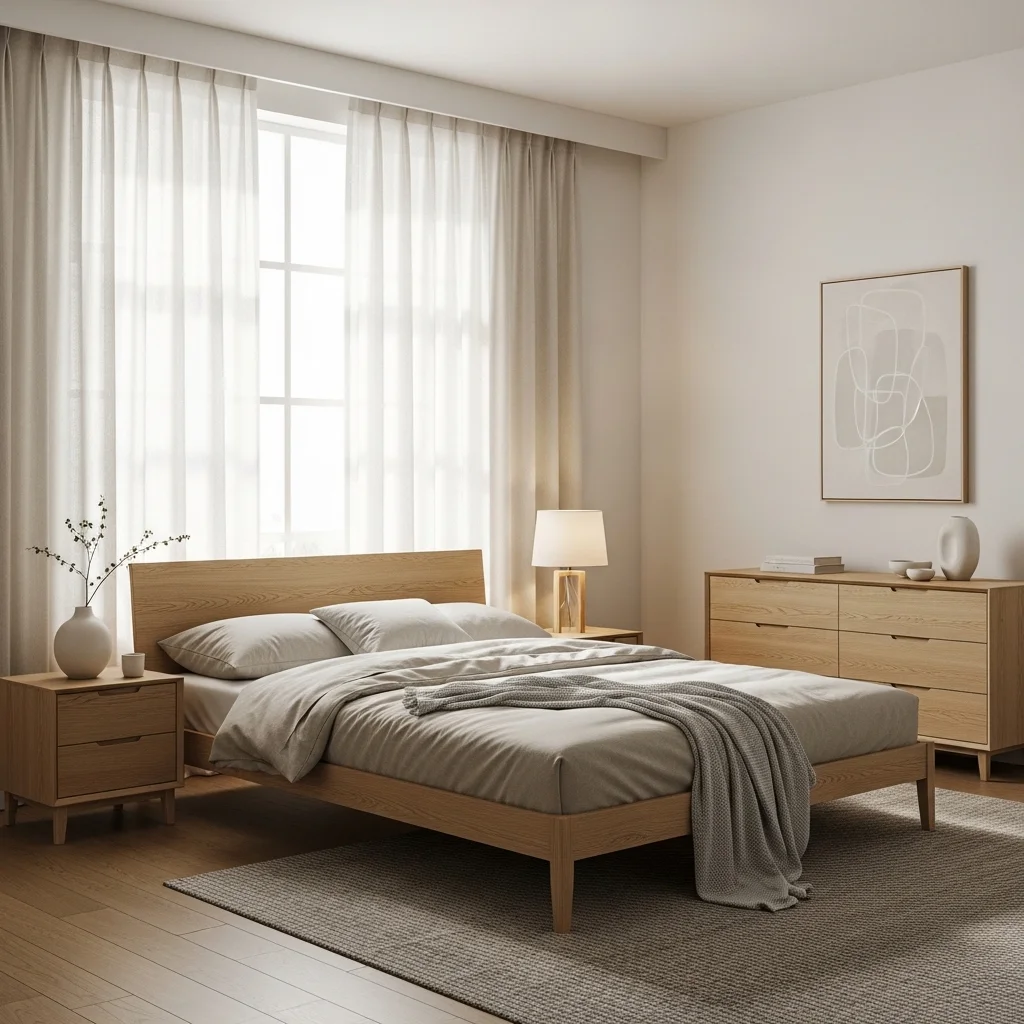
Clean lines are essential for achieving a minimalist Japandi look. Furniture should have simple silhouettes without excessive detailing or ornamentation. This creates a sense of order and visual clarity.
Avoid overly decorative elements and focus on pieces that emphasize structure and form. Straight edges and gentle curves help maintain a balanced and harmonious appearance throughout the room.
Create a Clutter Free Environment
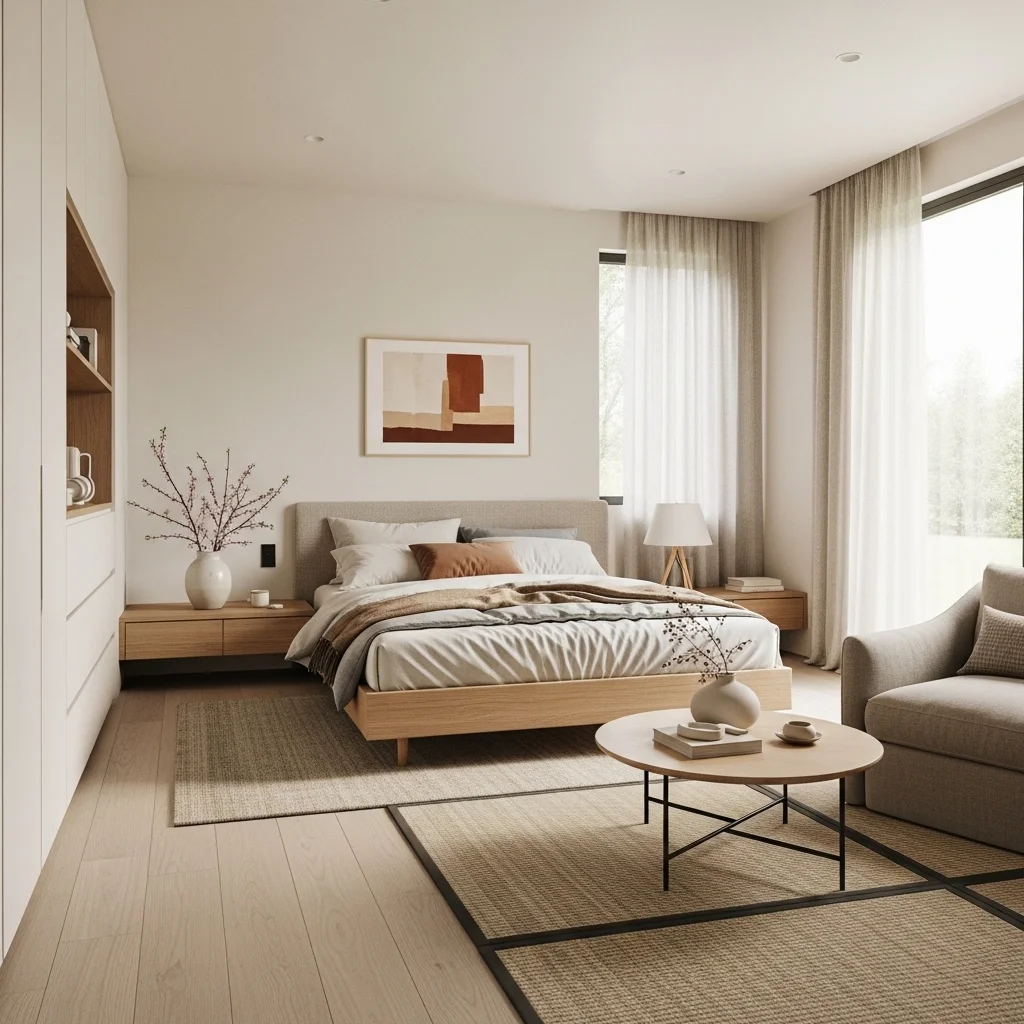
A clutter-free space is crucial for maintaining the calming effect of a Japandi bedroom. Start by removing items that are not essential or do not serve a purpose. This creates more room for meaningful elements to stand out.
Incorporate hidden storage solutions to keep everyday items out of sight. A clean and organized space not only looks better but also helps reduce stress and improve overall well-being.
Highlight Natural Light
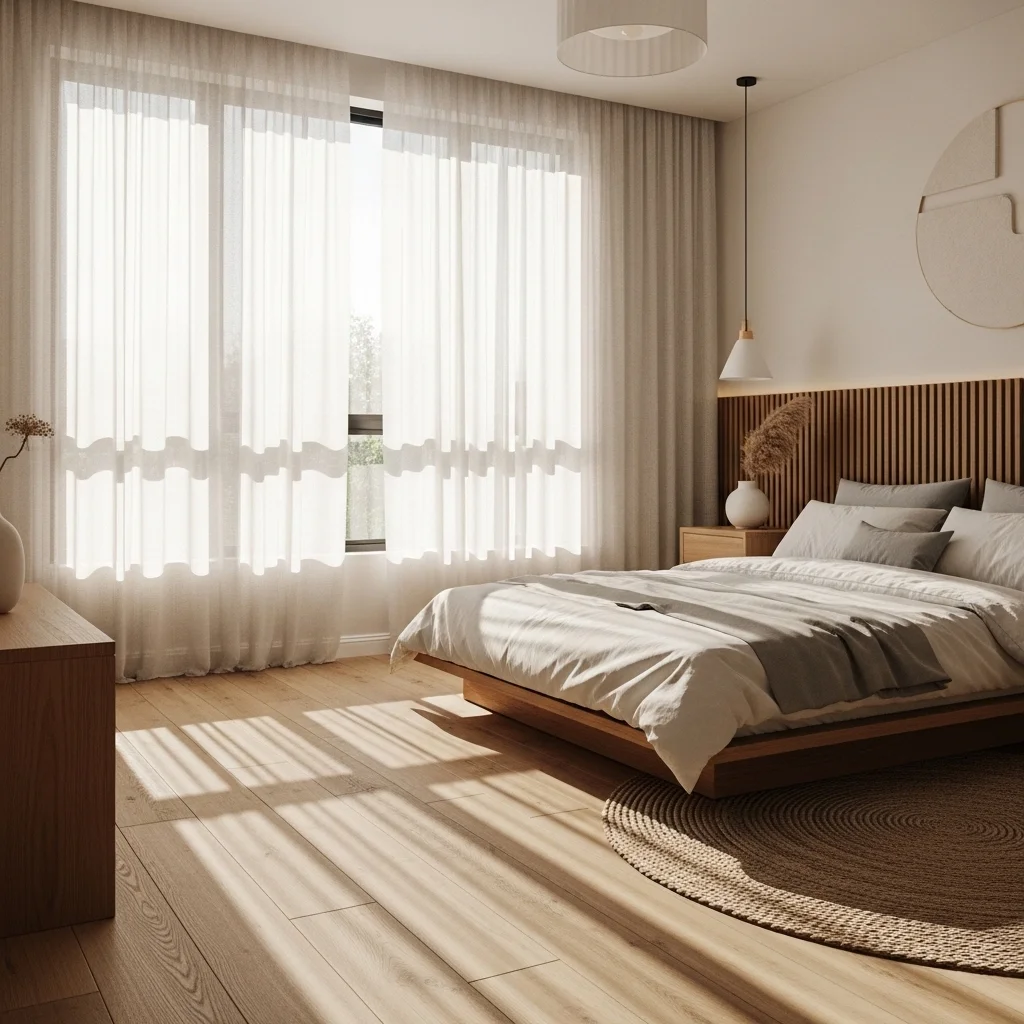
Natural light enhances the beauty of every element in a Japandi bedroom. Large windows, sheer curtains, and light-filtering blinds allow sunlight to fill the space and create a soft, airy atmosphere.
Position furniture in a way that does not block the light. Reflective surfaces like light-colored walls and natural wood finishes can help amplify brightness and make the room feel more open.
Opt for Simple Bedding
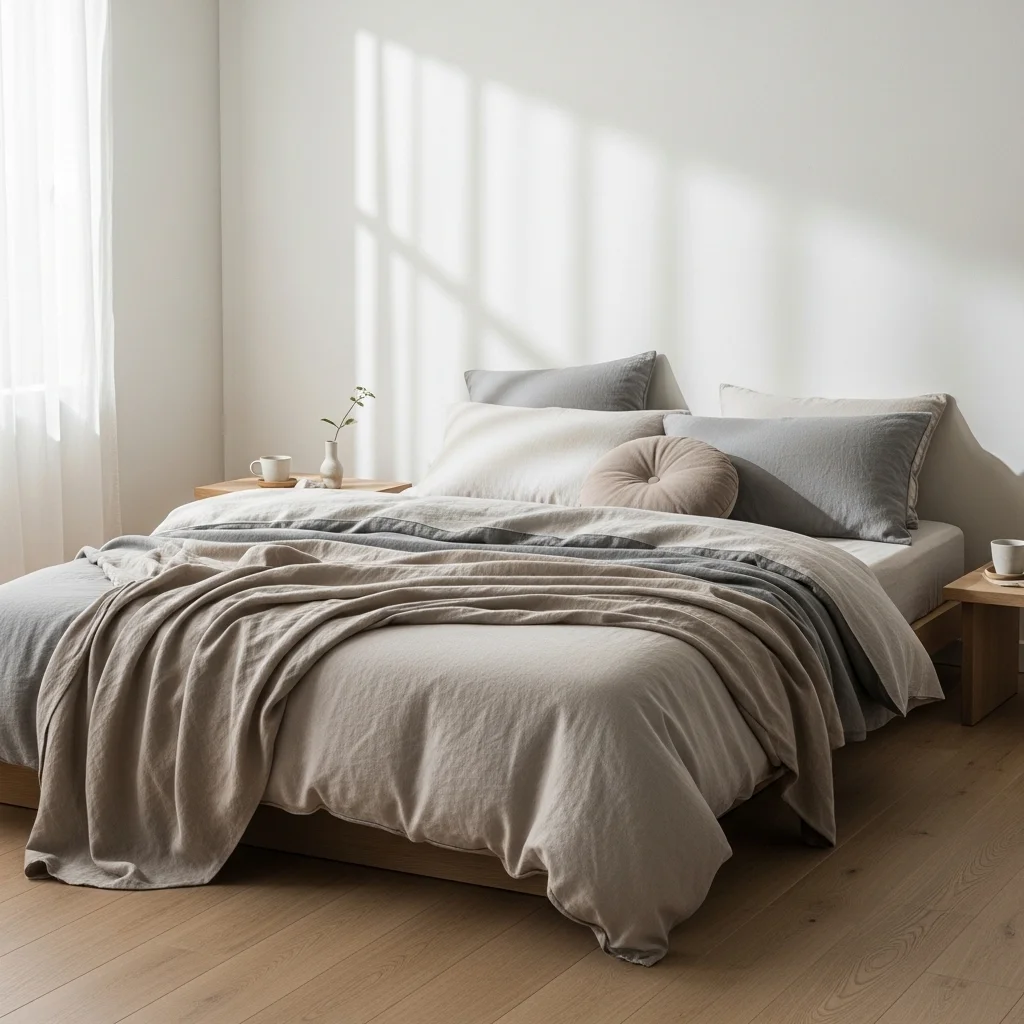
Bedding should reflect the simplicity and comfort of Japandi design. Choose high-quality fabrics like linen or cotton in neutral tones. These materials are breathable and contribute to a restful sleep environment.
Keep patterns minimal or non-existent. A well-made bed with layered textures can become the focal point of the room while still maintaining a clean and uncluttered look.
Use Functional Storage Solutions
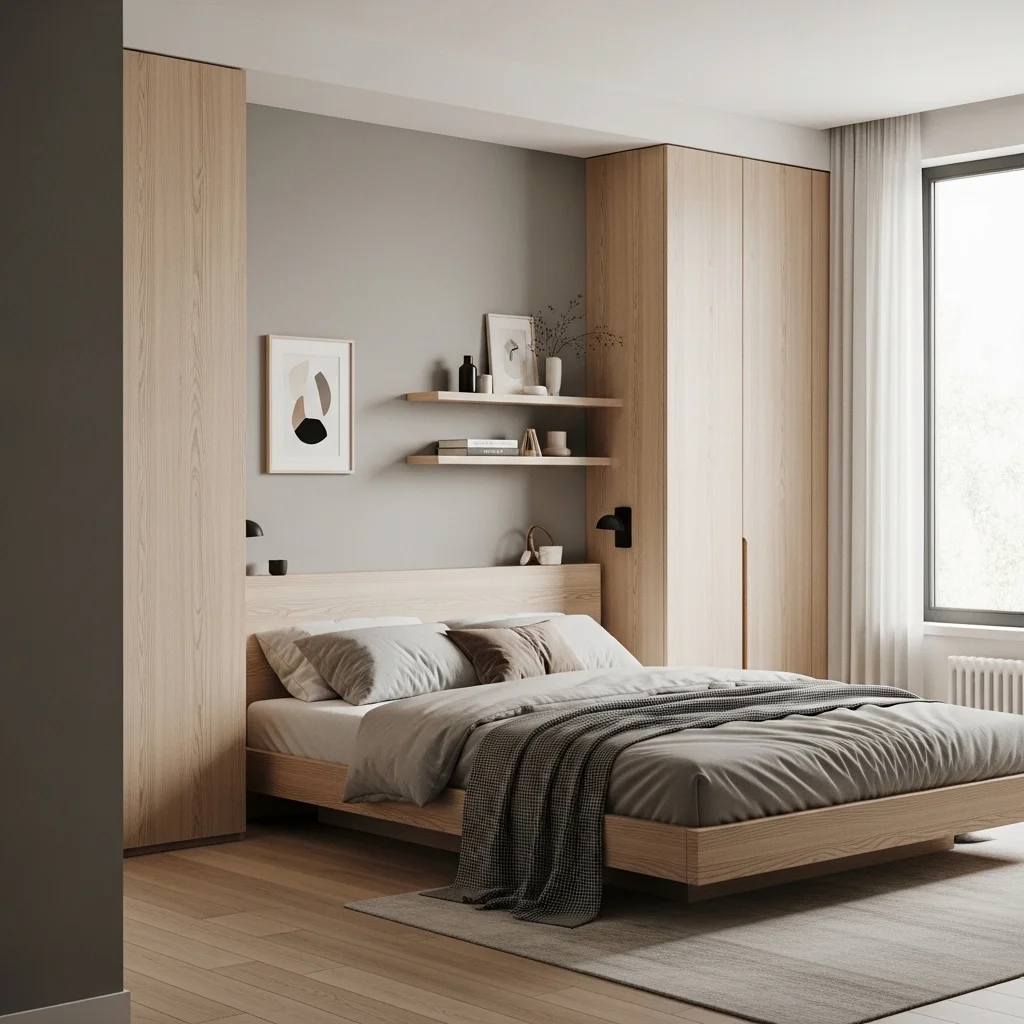
Storage in a Japandi bedroom should be practical and discreet. Built-in wardrobes, under-bed storage, and simple shelving units help keep the room organized without drawing attention.
Choose storage solutions that blend seamlessly with the overall design. This ensures that functionality does not disrupt the aesthetic but instead enhances it.
Incorporate Handmade Elements
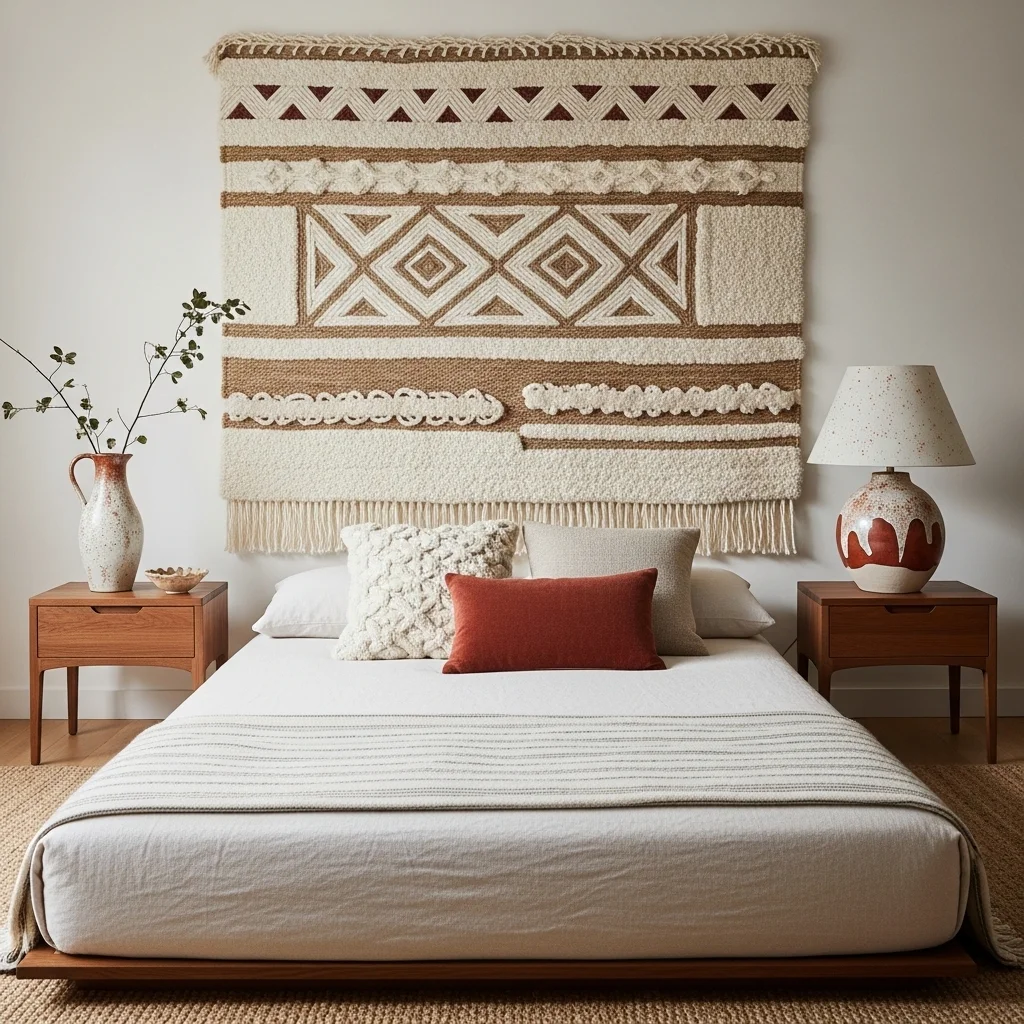
Handmade items bring a sense of authenticity and warmth to the bedroom. These pieces often have unique textures and imperfections that add character to the space.
Consider adding handcrafted ceramics, woven baskets, or artisanal decor. These elements create a more personal and meaningful environment while staying true to the minimalist approach.
Balance Form and Function
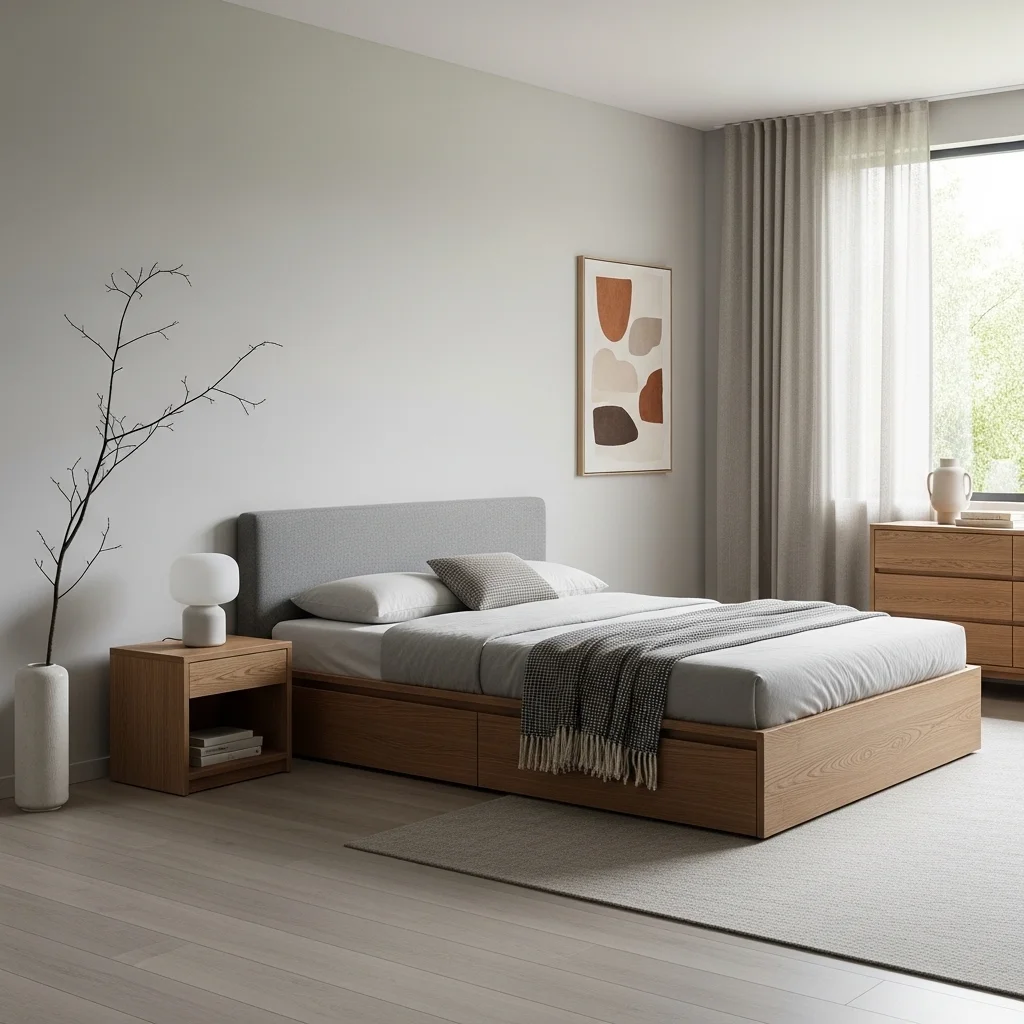
Every item in a Japandi bedroom should strike a balance between beauty and practicality. Furniture should not only look good but also serve a purpose in your daily life.
This principle encourages thoughtful decision-making when choosing decor and furnishings. It helps create a space that is both functional and visually pleasing.
Introduce Subtle Contrast
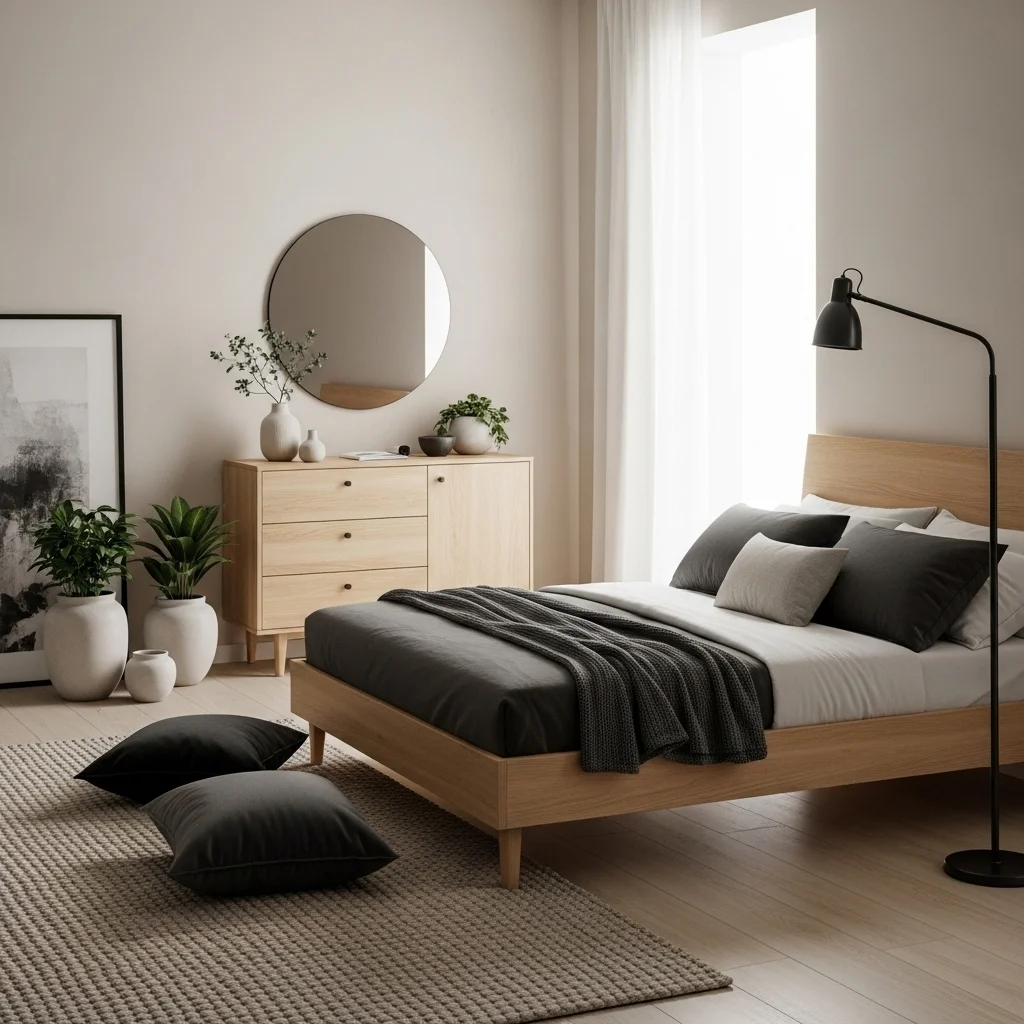
Subtle contrast adds depth to a neutral color palette. This can be achieved by mixing light and dark tones in a balanced way. For example, pairing a light bed frame with darker cushions or a darker rug.
The goal is to create visual interest without disrupting the calm atmosphere. Small contrasts can make a big difference in enhancing the overall design.
Use Minimal Wall Decor
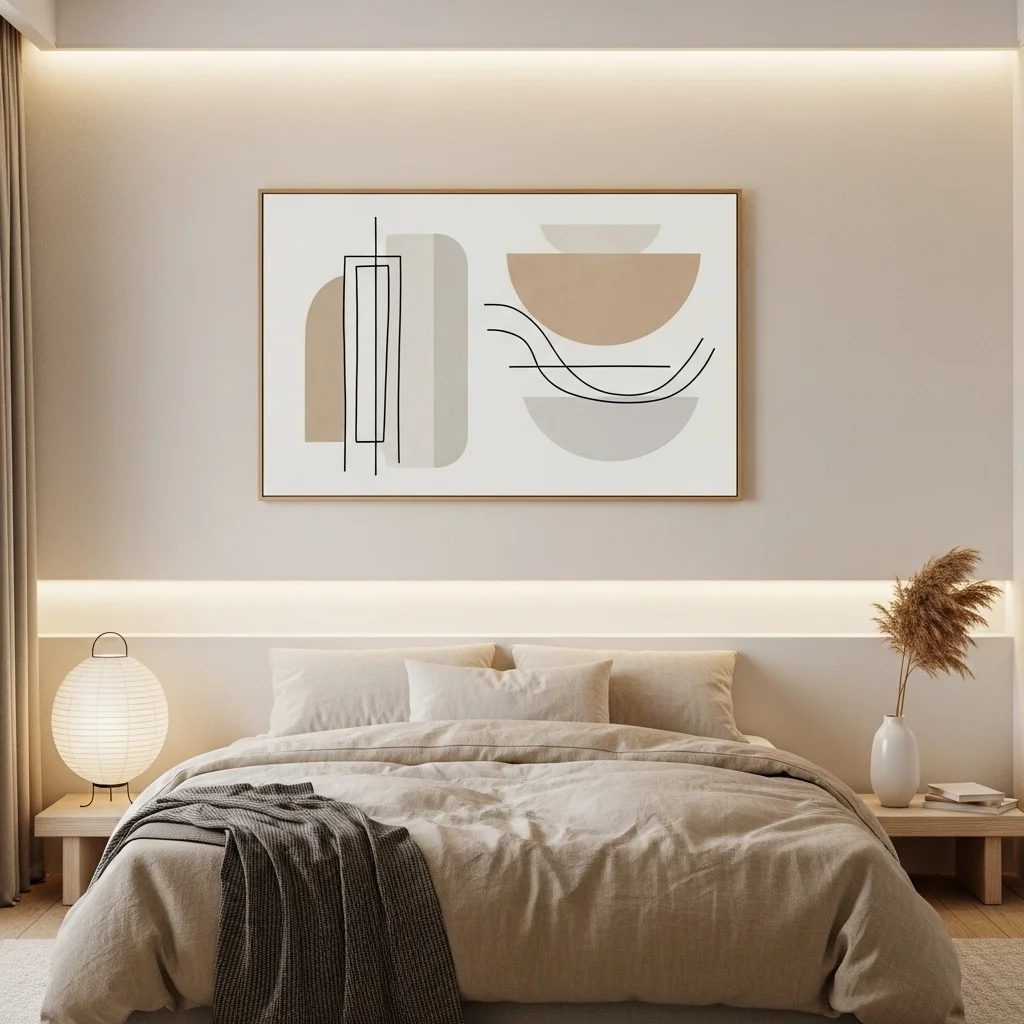
Walls in a Japandi bedroom should feel open and uncluttered. Instead of filling them with multiple pieces, choose one or two meaningful artworks or decor items.
Simple frames, neutral tones, and nature-inspired designs work best. This approach keeps the focus on the overall space rather than overwhelming it with too much detail.
Choose Quality Over Quantity
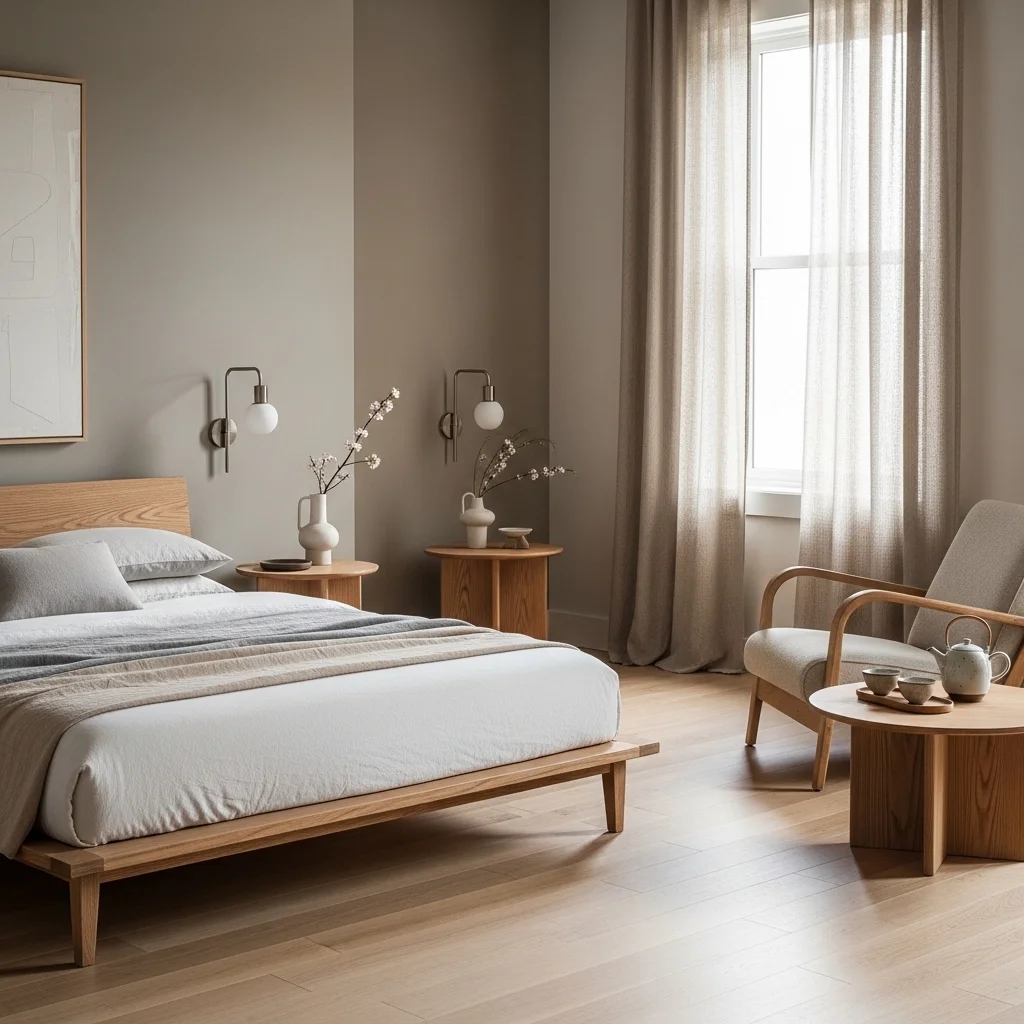
Investing in high-quality pieces ensures that your bedroom remains timeless and durable. Well-crafted furniture and decor not only look better but also last longer.
This approach reduces the need for constant replacements and supports a more sustainable lifestyle. It also enhances the overall elegance of the space.
Incorporate Soft Rugs
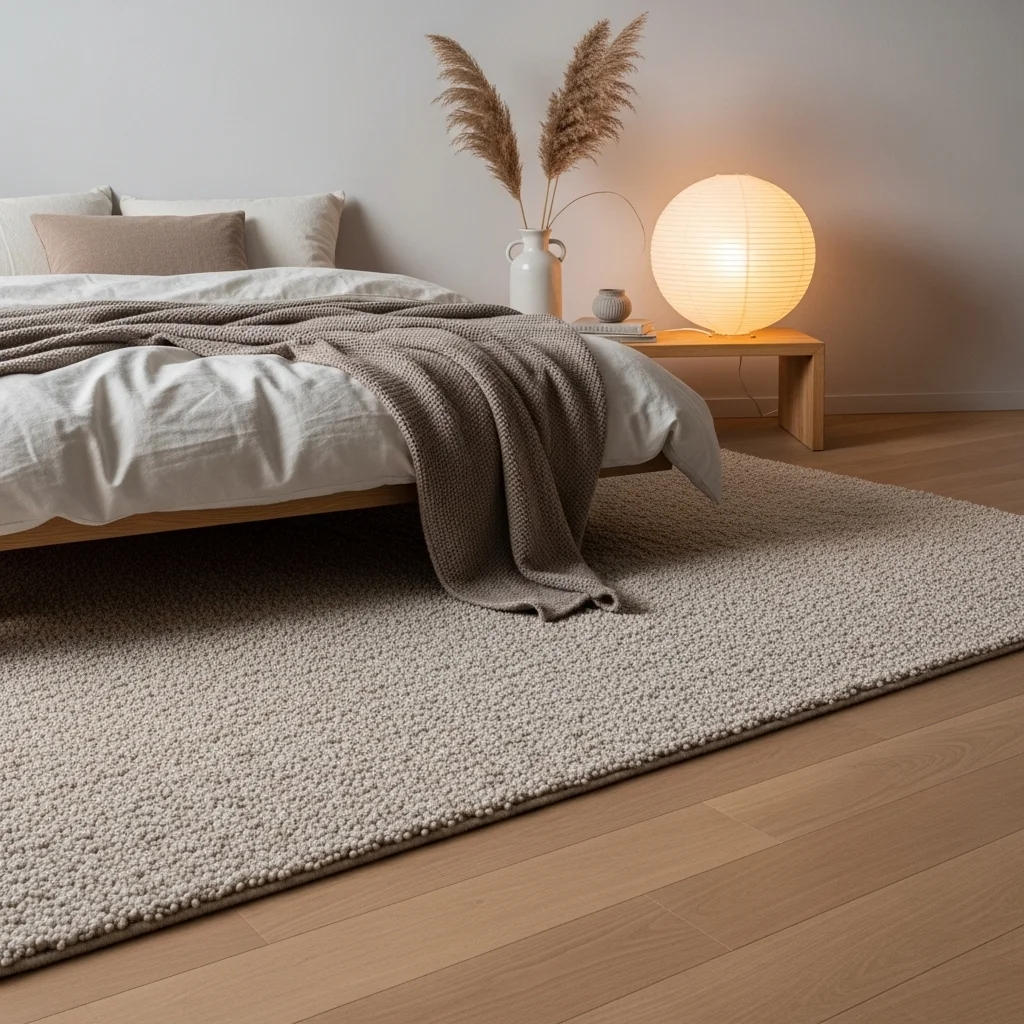
A soft rug can transform the feel of a bedroom by adding warmth and comfort underfoot. Choose rugs in neutral tones with simple textures or patterns.
Place the rug strategically, such as under the bed or in a seating area, to define the space. This adds coziness without disrupting the minimalist design.
Maintain Symmetry and Balance
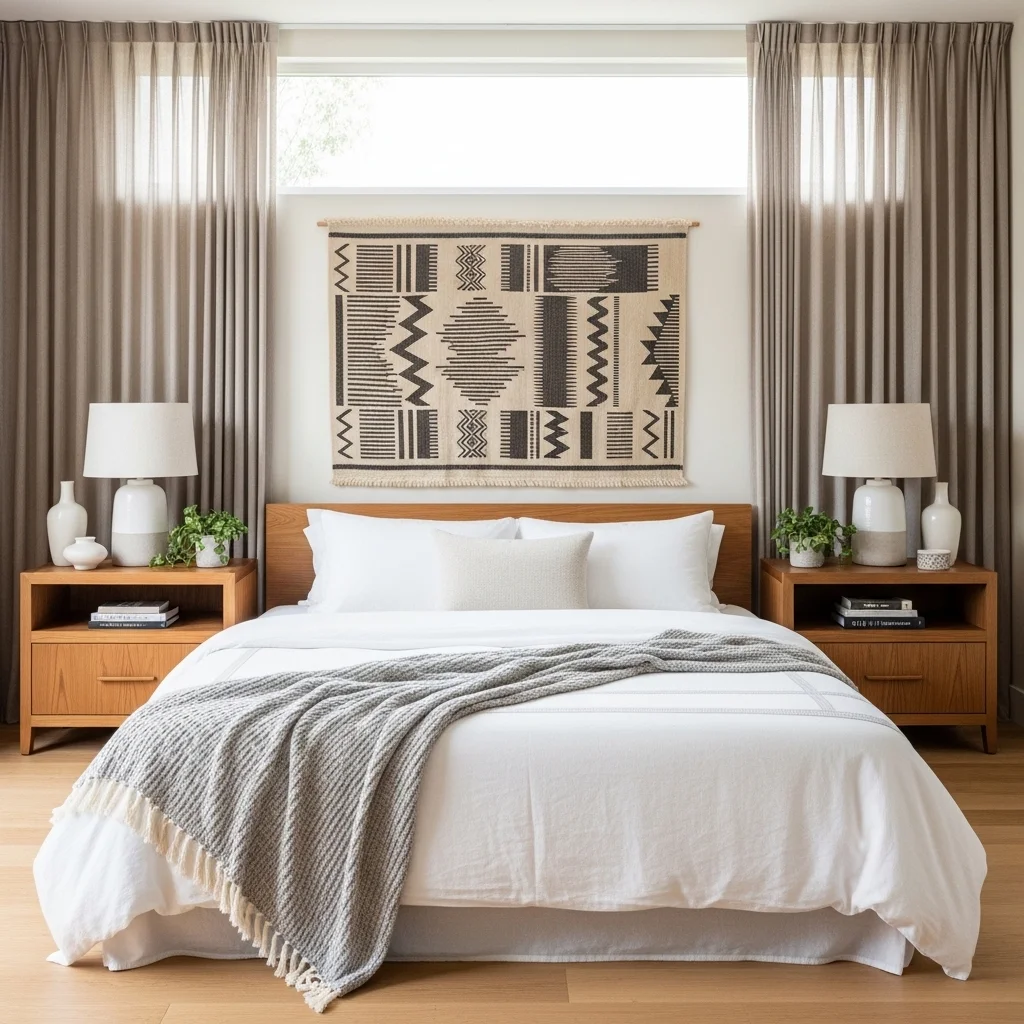
Symmetry creates a sense of order and calm in a Japandi bedroom. Placing matching nightstands or evenly spaced decor helps achieve a balanced look.
Even if perfect symmetry is not possible, aim for visual balance. This ensures that no part of the room feels too heavy or cluttered.
Add Wooden Accents
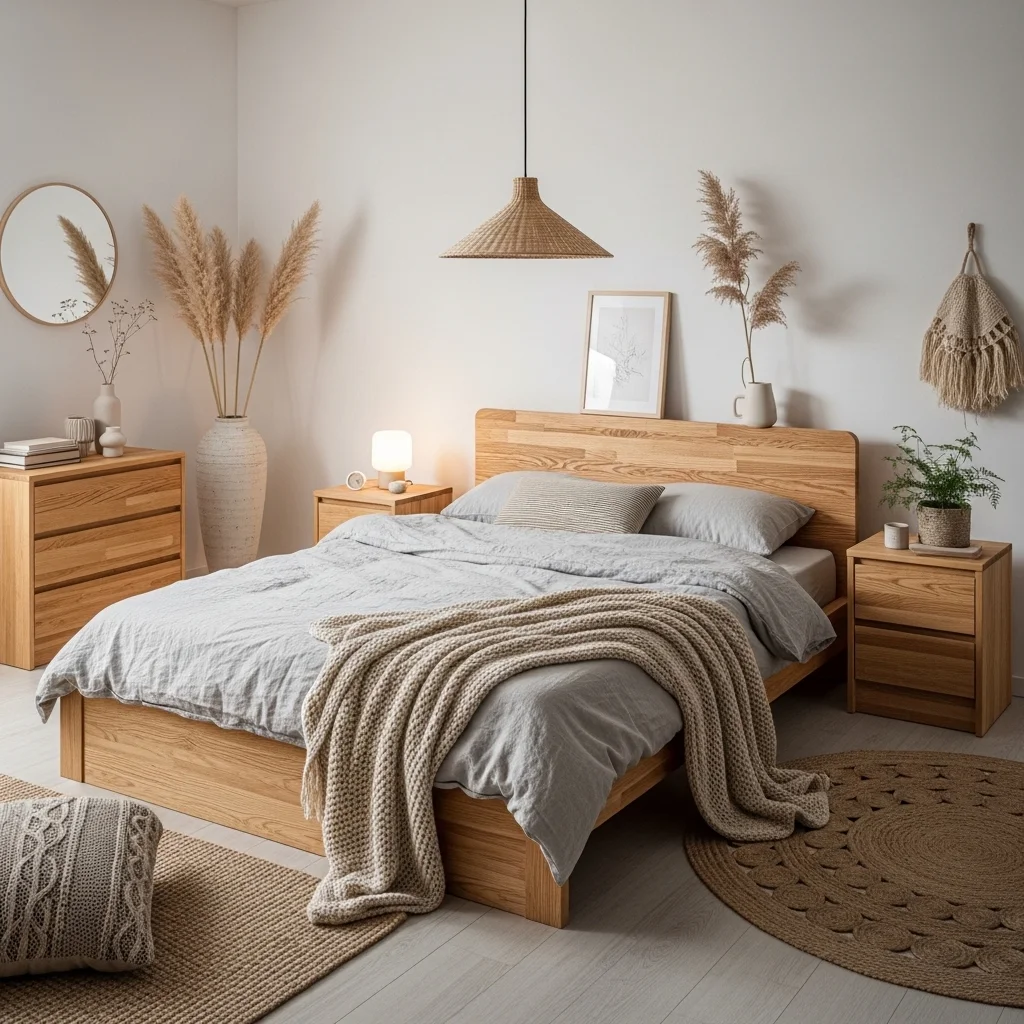
Wooden accents bring warmth and natural beauty into the space. From furniture to small decor items, wood helps create a cohesive and grounded look.
Mix different wood tones carefully to add depth while maintaining harmony. This enhances the connection to nature, which is central to Japandi design.
Keep Technology Minimal
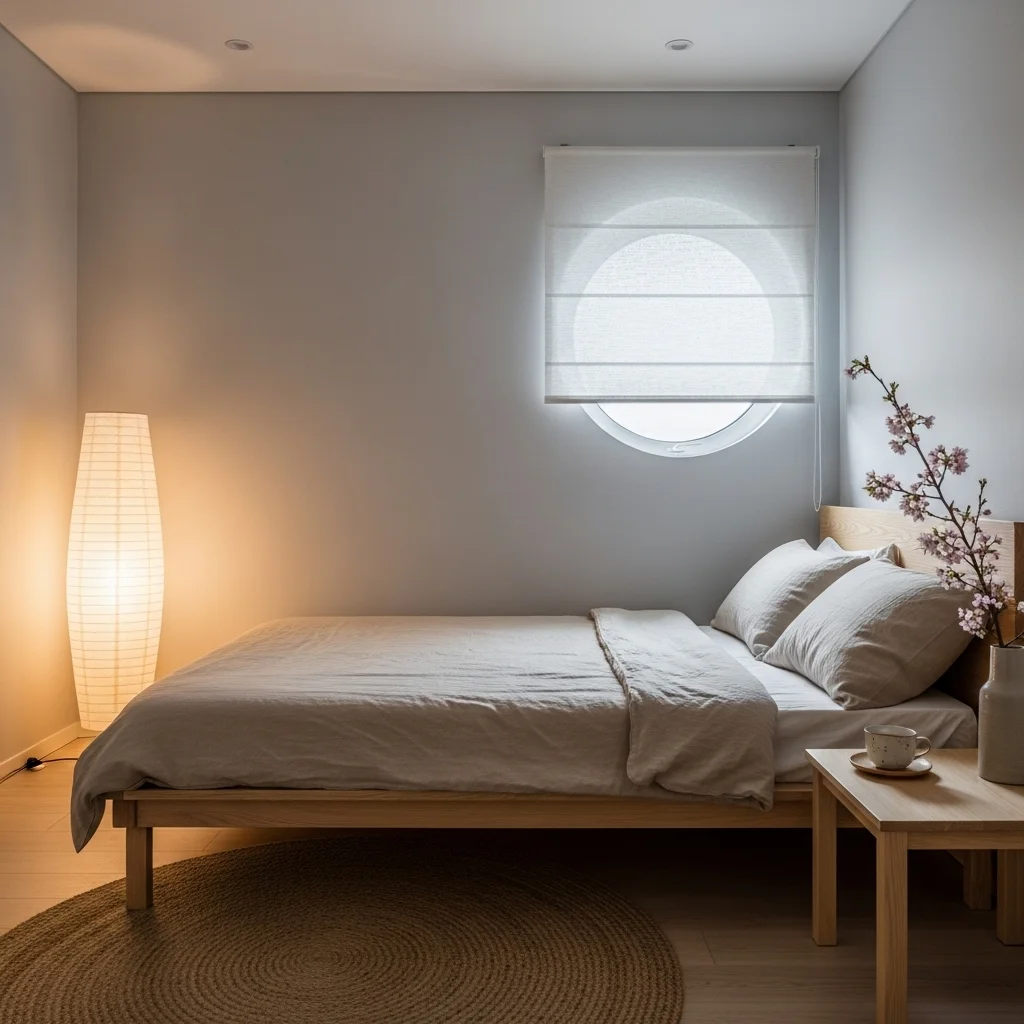
Technology should be kept to a minimum in a Japandi bedroom. Visible wires, screens, and devices can disrupt the calm atmosphere.
If technology is necessary, try to conceal it or integrate it seamlessly into the design. This helps maintain a peaceful and distraction-free environment.
Design for Comfort and Calm
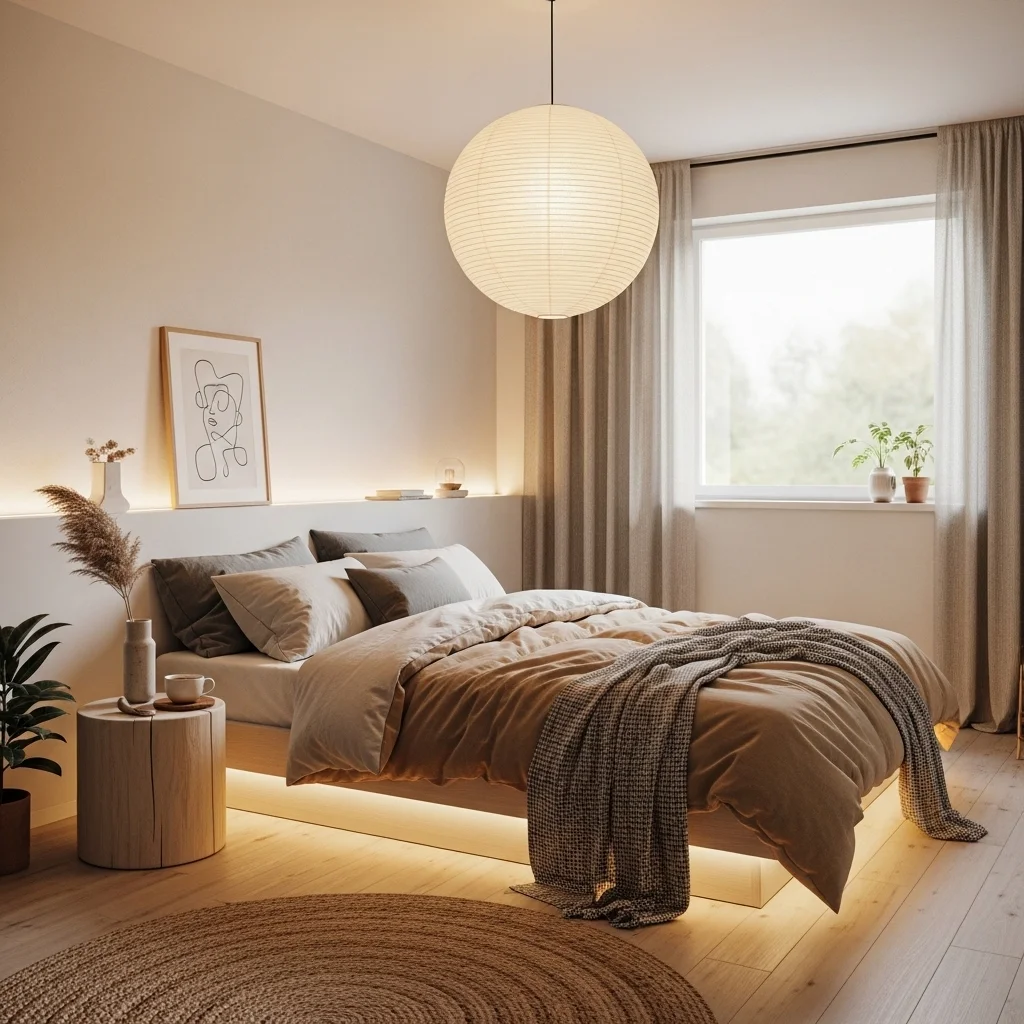
The ultimate goal of Japandi design is to create a space that feels comfortable and calming. Every decision should contribute to a sense of relaxation and well-being.
Focus on elements that make you feel at ease, from soft bedding to warm lighting. A thoughtfully designed bedroom can greatly improve your quality of rest and overall mood.
Conclusion
Minimalist Japandi bedroom design offers a perfect blend of simplicity, functionality, and warmth. It encourages you to create a space that is not only visually appealing but also deeply calming and meaningful. By focusing on natural materials, clean lines, and intentional choices, you can design a bedroom that truly supports your lifestyle.
These 22 ideas provide a complete framework for transforming your bedroom into a peaceful retreat. Whether you apply all of them or just a few, the essence of Japandi design lies in creating harmony and balance in your space.
FAQs
What makes Japandi bedroom design unique
It combines Japanese minimalism with Scandinavian comfort, creating a balance between simplicity and warmth.
Can I mix different wood tones in Japandi design
Yes, but keep them within a similar natural range to maintain harmony and avoid visual clutter.
Is Japandi style expensive to achieve
Not necessarily, you can start with decluttering and gradually invest in key pieces made from natural materials.
How do I keep my Japandi bedroom organized
Use hidden storage, limit unnecessary items, and maintain a habit of keeping surfaces clean.
What fabrics work best in Japandi bedrooms
Natural fabrics like linen, cotton, and wool are ideal as they add softness and texture.
Can I use artwork in Japandi design
Yes, but keep it minimal and choose pieces that reflect calm, nature, or simple abstract forms.
What type of curtains suit Japandi bedrooms
Lightweight, neutral curtains that allow natural light to pass through are the best choice.
How can I add personality to a minimalist bedroom
Use handmade items, subtle decor, and meaningful objects that reflect your personal style.
Is Japandi suitable for modern homes
Yes, it blends well with modern interiors due to its clean lines and functional design.
How do I maintain a Japandi bedroom long term
Focus on simplicity, keep clutter minimal, and regularly reassess items to ensure they still serve a purpose.